

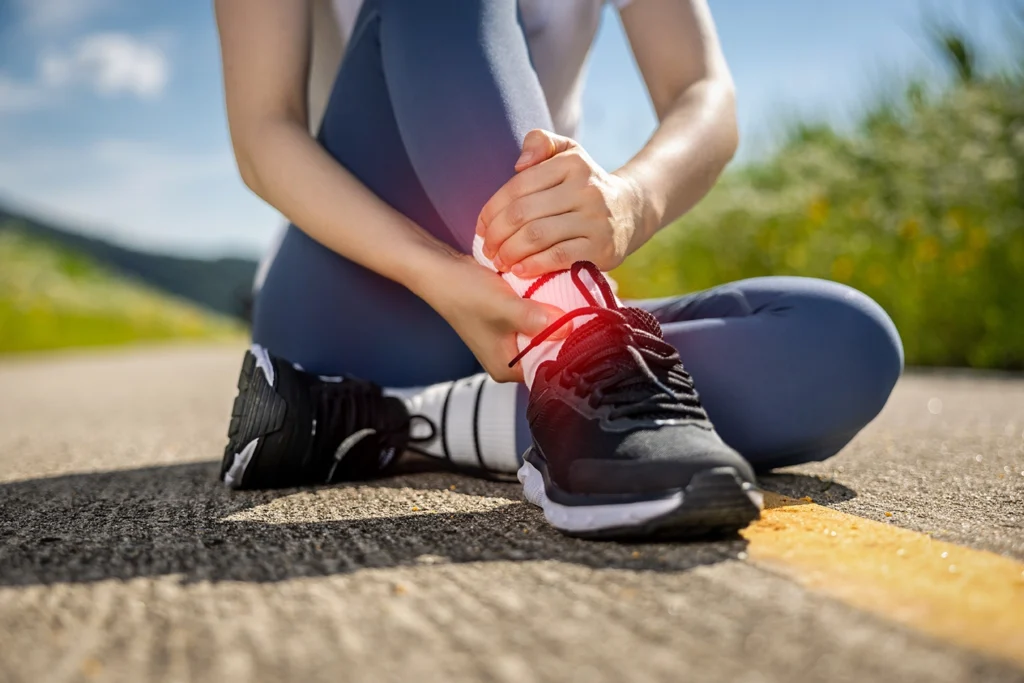
Why does an ankle remain unstable after a sprain? Learn how assessment can identify contributing factors and help determine whether rehabilitation or other care is needed.
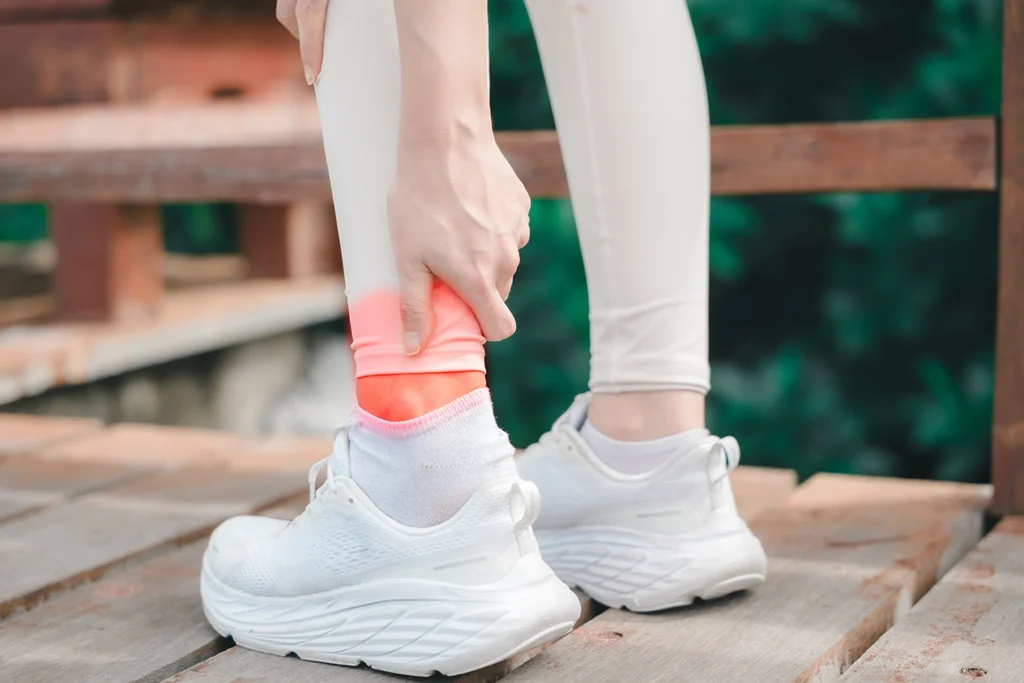
Why can Achilles tendonitis hurt more after activity than during it? Learn what may cause delayed pain and when ongoing symptoms may need medical assessment.
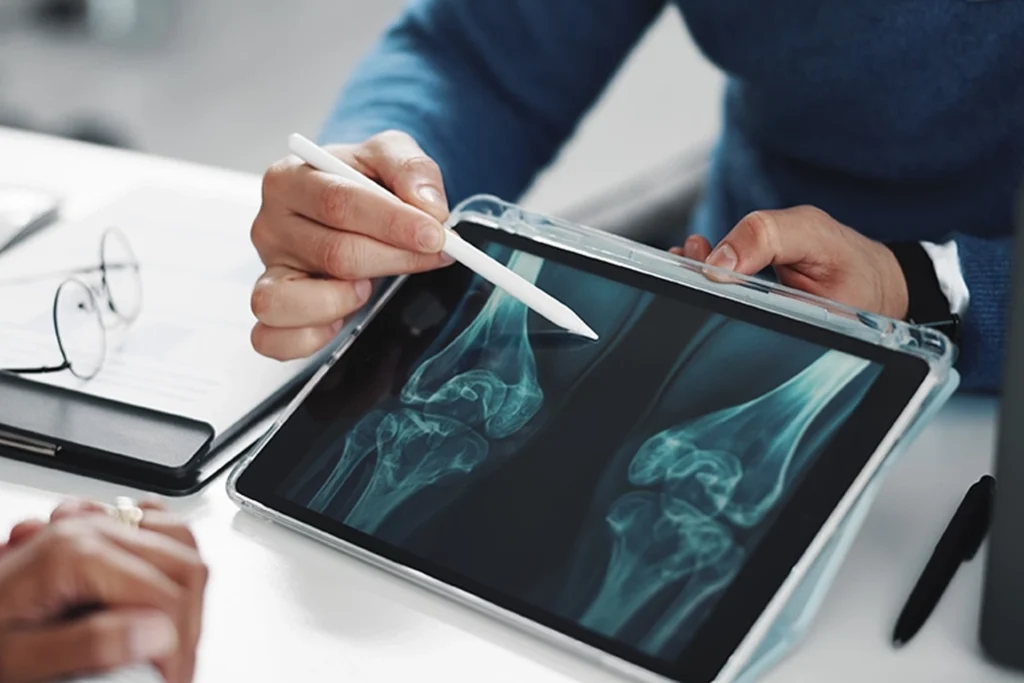
Why is osteoporosis sometimes discovered after a fracture? Learn how bone loss can go unnoticed and when further bone health assessment may be needed.
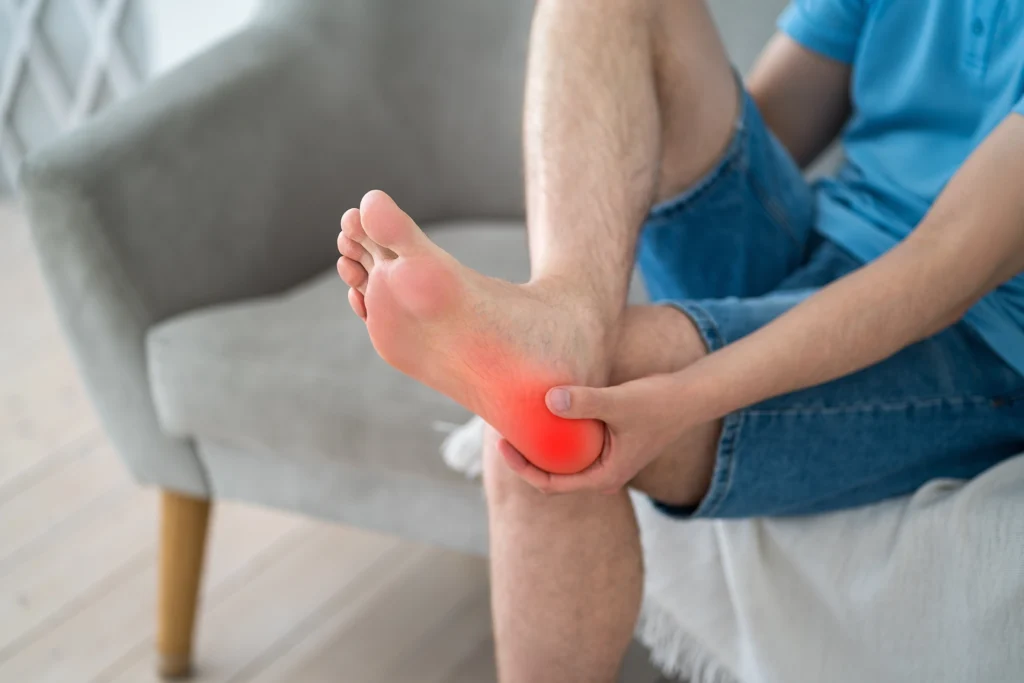
Why does heel pain return after plantar fasciitis treatment? Learn what can contribute to recurring symptoms and when an assessment may be useful.
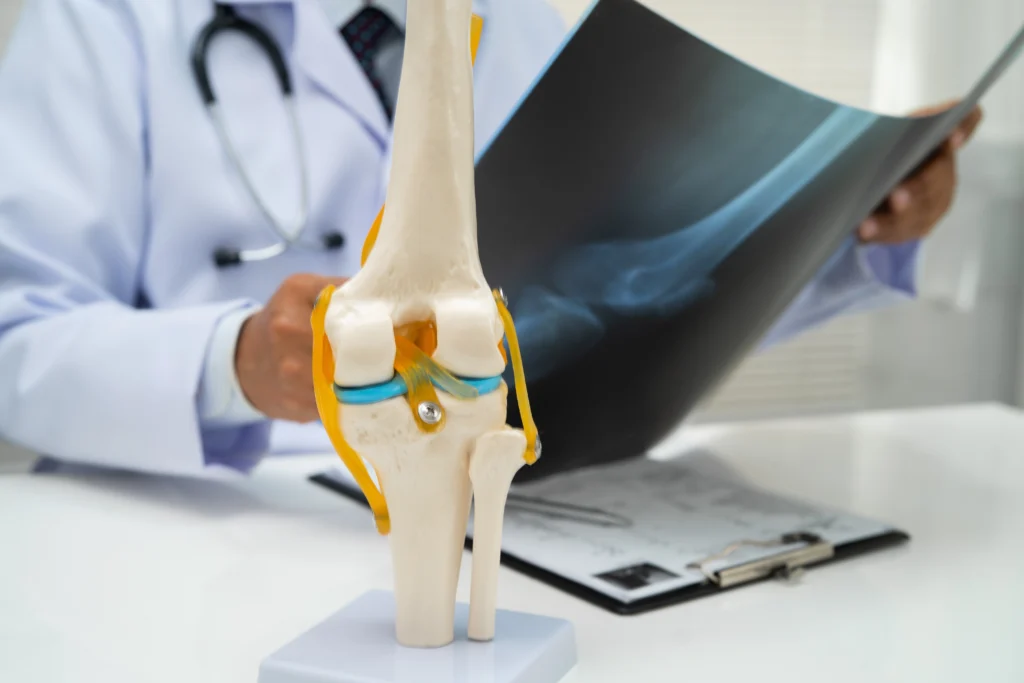
Can a broken bone affect more than the site of the break? Learn how nearby joints and soft tissues can influence movement and recovery after an injury.
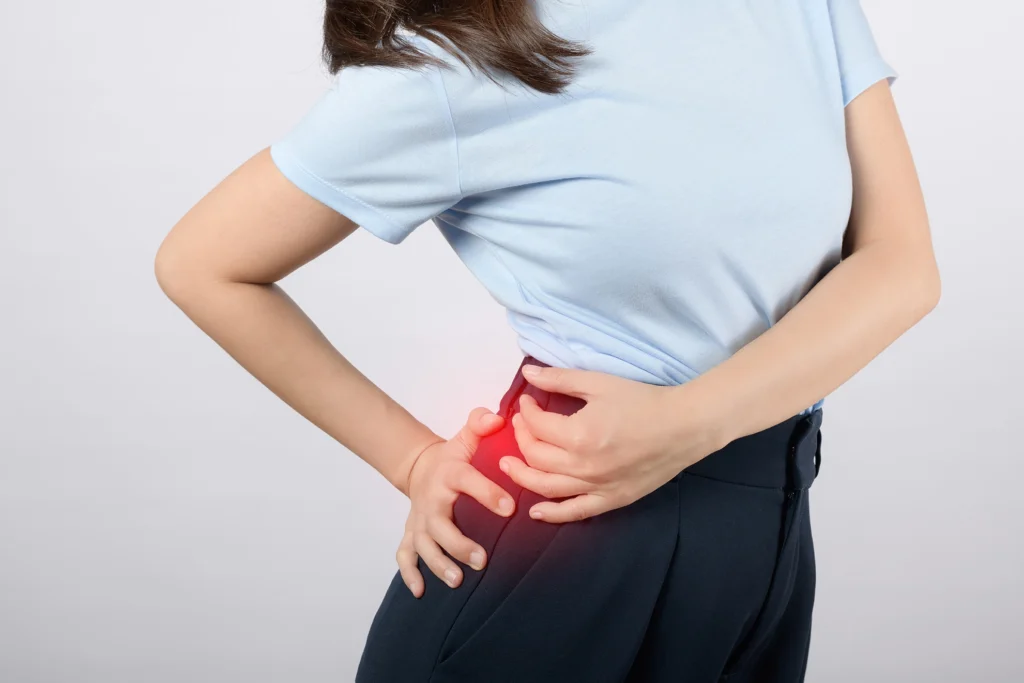
Hip pain can be felt away from the joint. Learn why pain location may not reveal its source and how doctors assess where symptoms begin.
Learn why frozen shoulder recovery varies, which factors may affect recovery and when surgery may be considered for persistent pain and stiffness.
Learn why some shoulder dislocations recur, which factors increase the risk and how treatment may help manage ongoing shoulder instability.
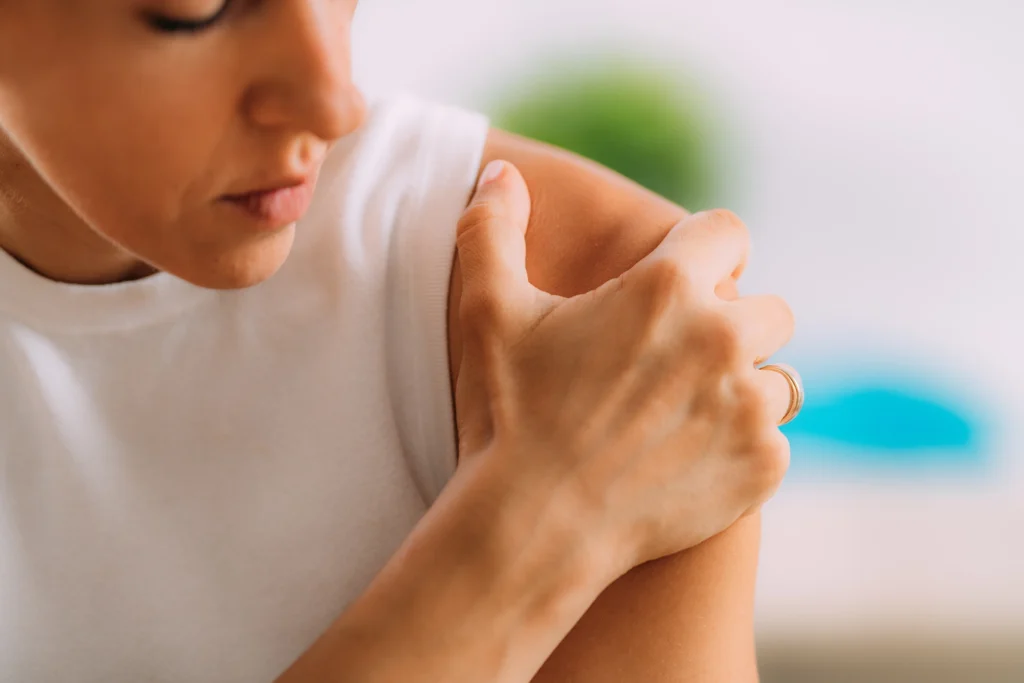
Learn when keyhole surgery may be recommended for frozen shoulder, what the procedure involves and what to expect during recovery.
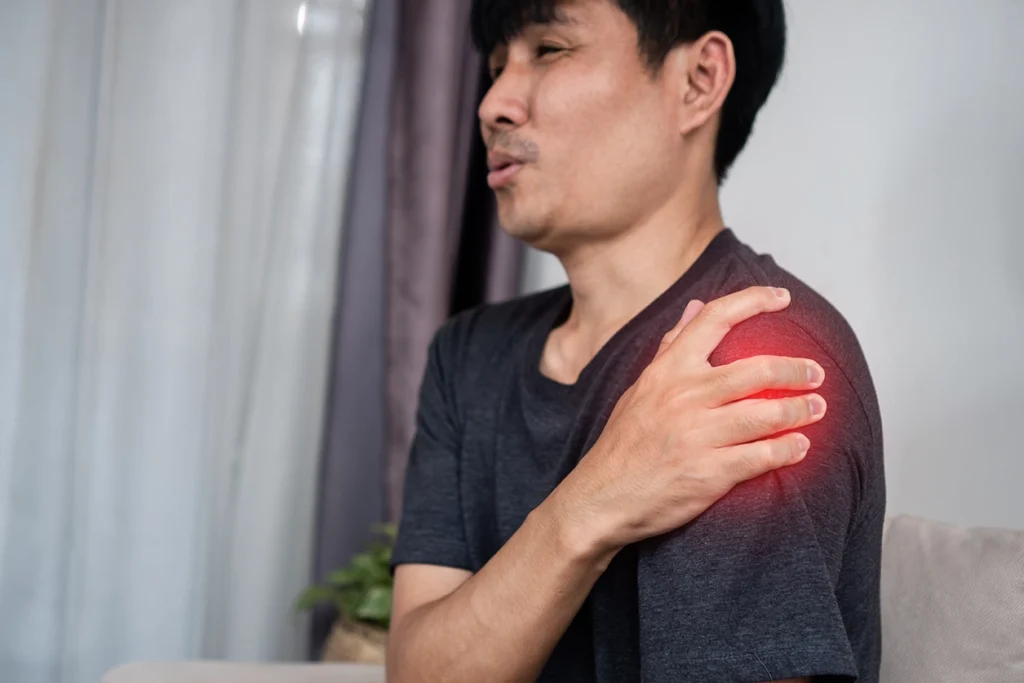
Learn why shoulder pain may occur with stiffness and limited movement, which conditions may cause these symptoms and when to seek treatment.
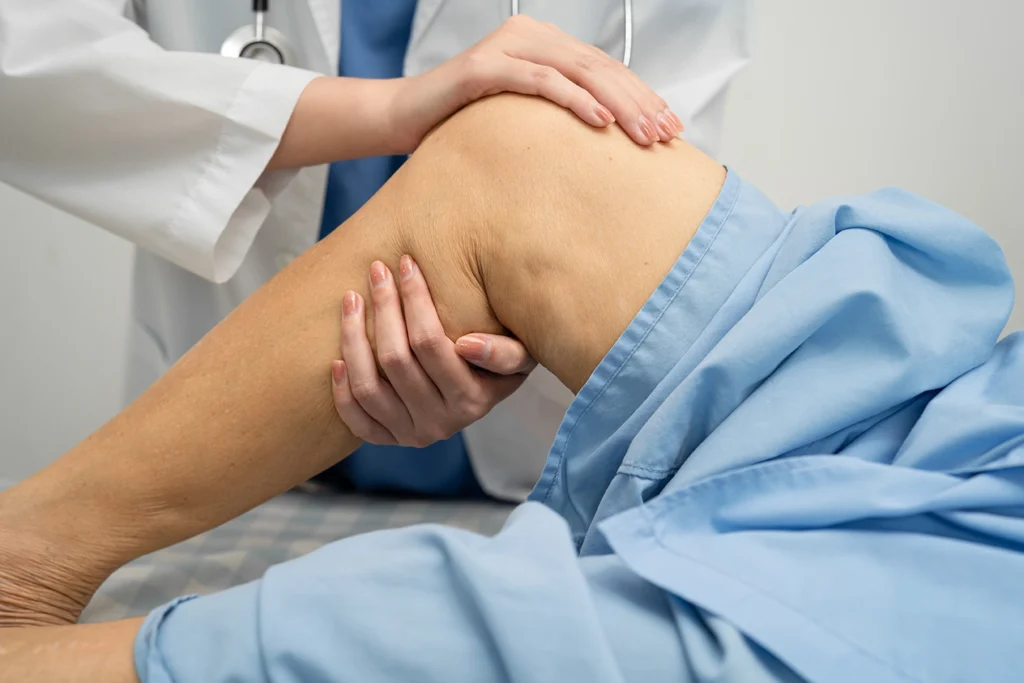
Learn why ACL injury assessment looks beyond the torn ligament to identify meniscal, cartilage and other knee damage that may affect treatment.
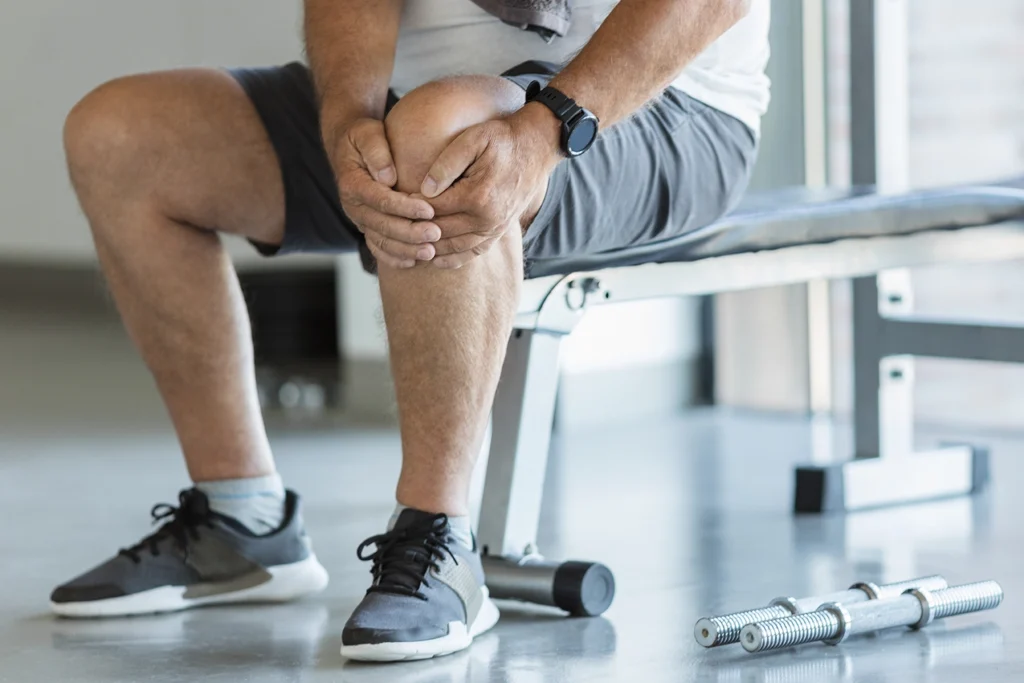
Learn why sports injury assessment goes beyond pain to identify the structures involved, guide treatment and support a safe return to sport.

Hip stiffness can sometimes affect daily life more than hip pain. Explore treatment options and understand when hip replacement surgery may be considered.

Not all ACL injuries cause the same level of knee instability. Learn why symptoms vary, when surgery may be recommended and the treatment options available.
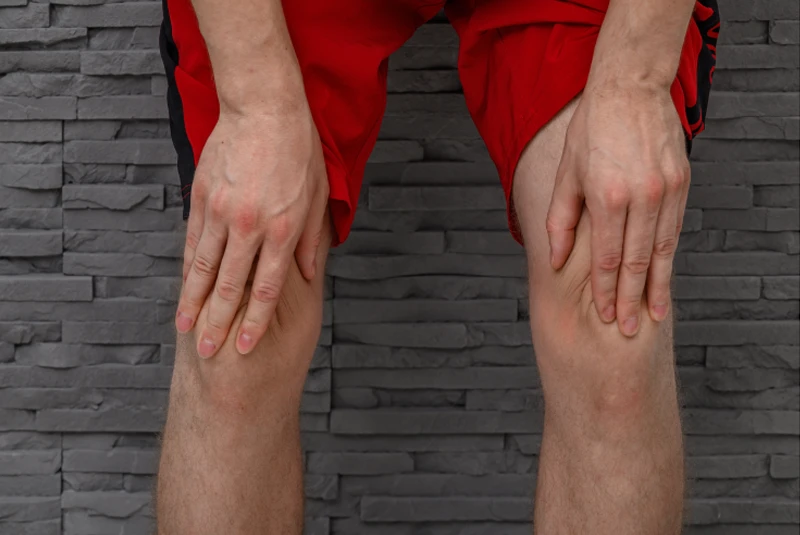
Locking, catching or instability after a meniscus tear? Learn what these symptoms mean, when surgery may be considered and the available treatment options.
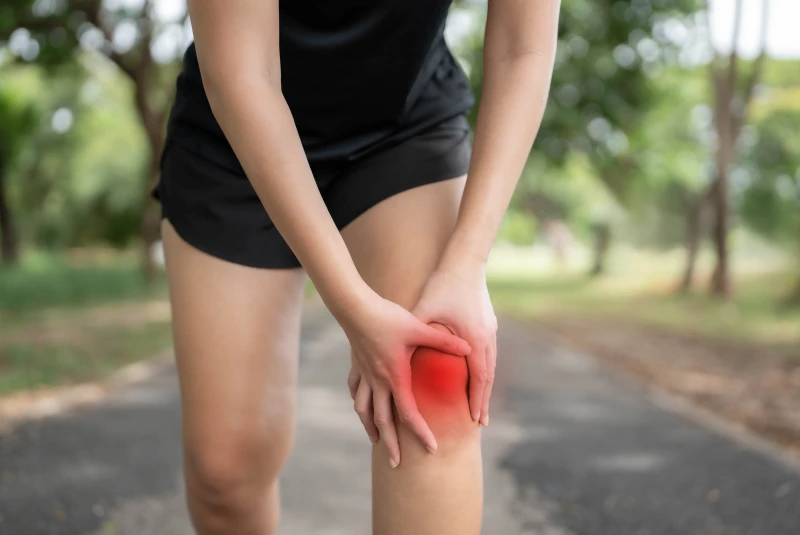
Has your knee pain returned after treatment? Learn the common causes of recurring knee pain, when to see a specialist and how the right treatment can help.
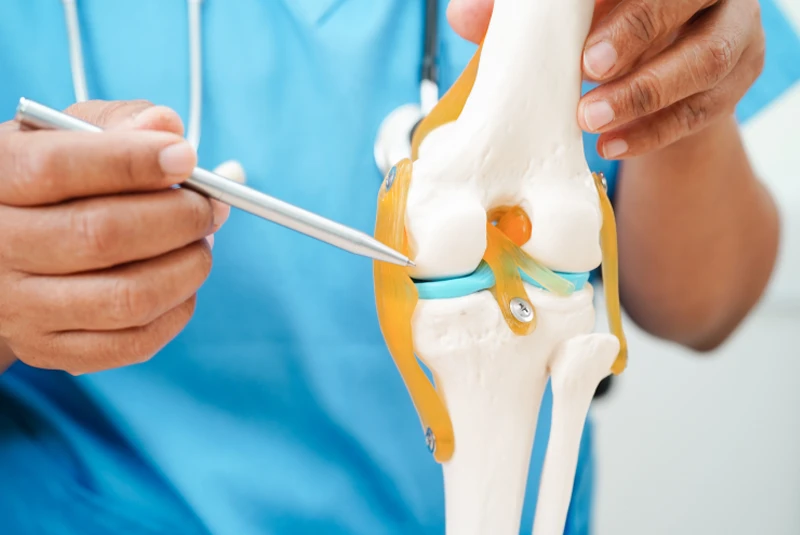
Pain relief is only one goal of knee replacement surgery. Learn how knee replacement can restore movement, stability and everyday function.
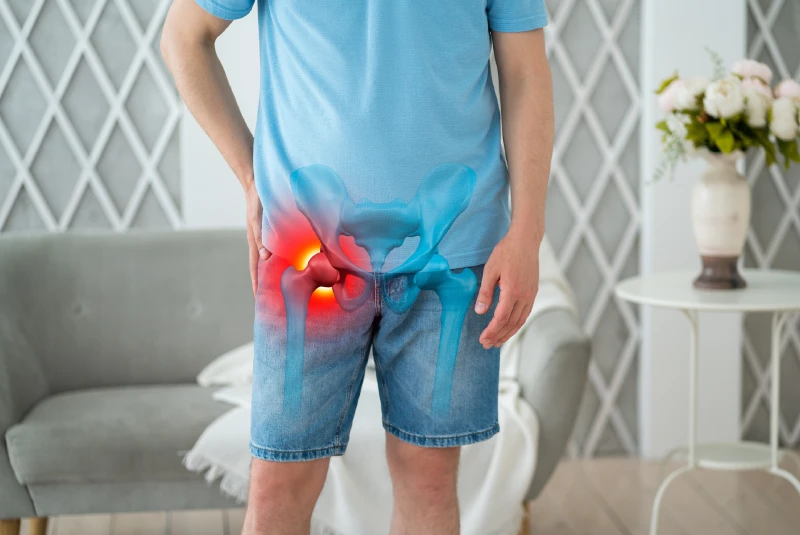
Is it better to wait before hip replacement surgery? Learn when delaying surgery may be appropriate and how specialists determine the right timing.
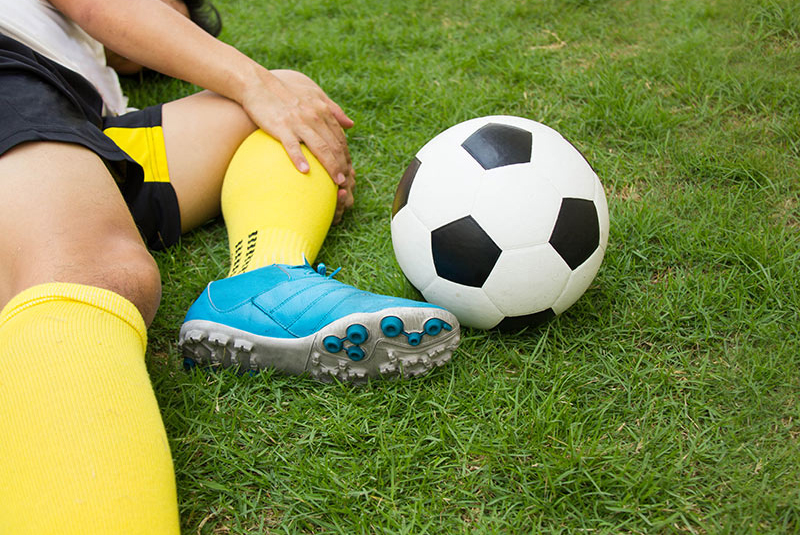
Sports injury or recurring pain? Understanding whether your condition is an acute injury or an overuse injury can make a difference to recovery. Discover the causes, warning signs and treatment options to help you stay active and prevent further damage.
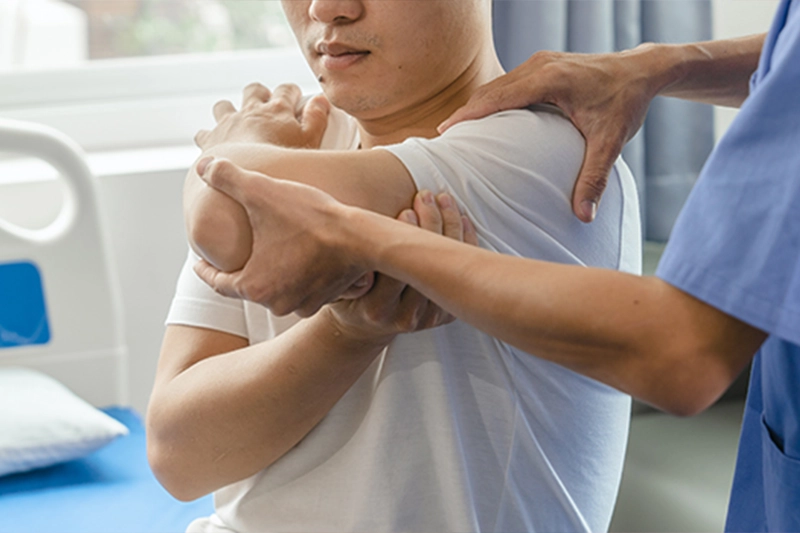
Experiencing shoulder instability or recurrent dislocations? Learn how arthroscopic labrum repair, a minimally invasive keyhole procedure, can restore shoulder stability, reduce post-operative discomfort and support a smoother recovery.
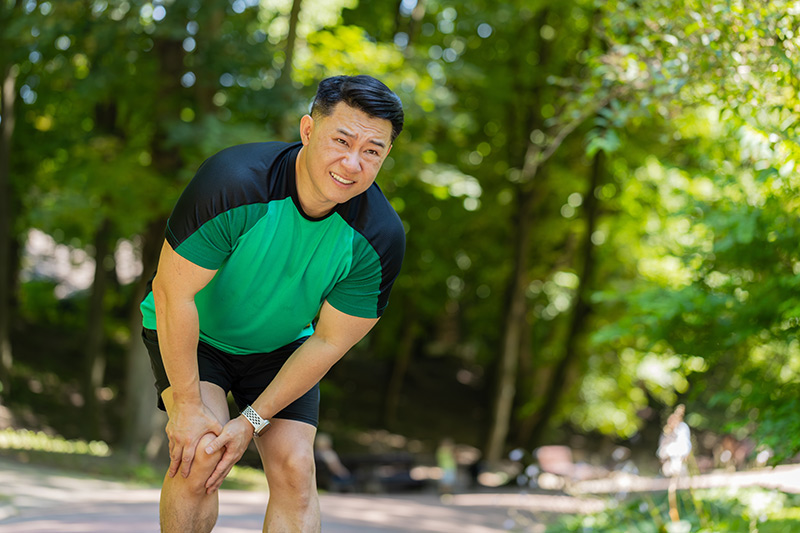
Many running injuries are not sudden accidents but cumulative mechanical failures caused by unmanaged stress. Learn to identify the subtle biomechanical red flags and understand the role of gait analysis in preventing chronic pain and maintaining long-term running health.
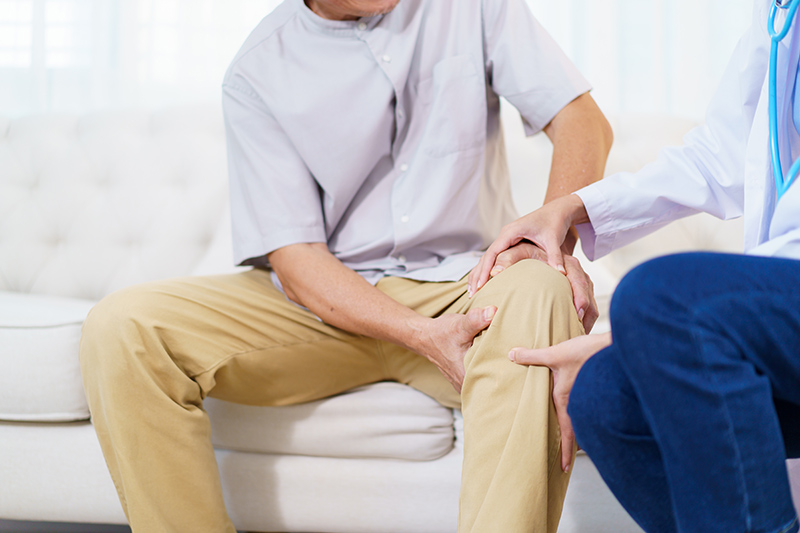
Persistent joint pain often signals that conservative care is no longer enough. Learn the definitive clinical signs that indicate a joint replacement is necessary and how robotic precision can help you reclaim your mobility and active lifestyle.
Recovering from hip replacement surgery requires a clear clinical roadmap. From early mobilisation within 24 hours to restoring your full kinetic chain, learn what to expect during each recovery milestone for a successful, long-term outcome.
Advanced osteoarthritis shouldn't limit your lifestyle. Hip bone surgery, such as a total hip replacement, offers a clinical solution to chronic joint pain by restoring your natural mobility and protecting your long-term skeletal health.
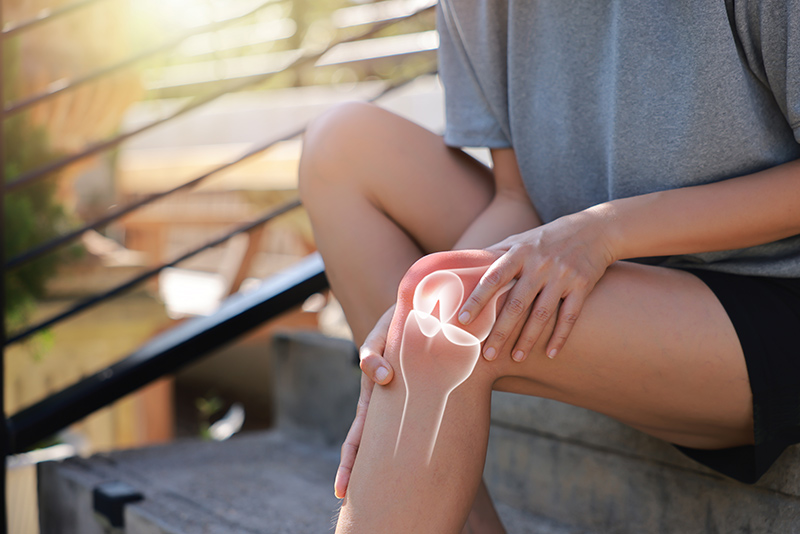
Is your knee pain truly just wear and tear? Discover the hidden biological triggers of chronic discomfort, from inflammatory cascades to the nerve sensitivity of the joint lining. Learn how to identify the real source of your joint distress.
Have you ever stepped out of bed in the morning, only to be met with a sharp pain under your heel that makes you hesitate before taking the next step? Or perhaps your heel hurts most after long walks, standing for hours or wearing certain shoes
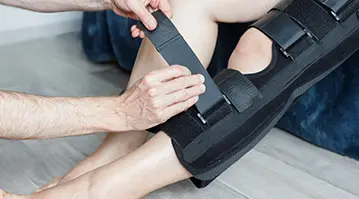
A posterior cruciate ligament (PCL) tear can affect knee stability, especially for athletes and active individuals. If you've recently undergone PCL knee reconstruction or are considering surgery, one of the first questions on your mind is likely

Have you ever twisted your ankle or suffered a fall, only to find the pain and swelling linger far longer than expected? Many people assume ankle injuries will heal on their own, but sometimes what feels like

Has sitting through a long meeting, driving for extended periods or going for your usual walk suddenly brought on hip pain that was not there before? At first, it may be easy to brush it off as overuse or a minor strain.
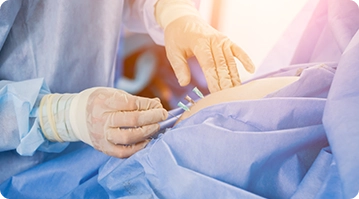
Hearing the word “surgery” can feel daunting, with concerns about long recovery periods, large scars or time away from work. Fortunately, orthopaedic care has progressed significantly over the years. In many cases, minimally invasive orthopaedic surgery offers an alternative, preferred approach, using smaller incisions and targeted techniques to minimise tissue disruption and support a faster recovery.

Heel and calf pain are common complaints among active individuals, but not all Achilles injuries are the same. While Achilles tendinitis tends to develop slowly as a result of repetitive strain, an Achilles tear usually happens abruptly and may feel like a sudden blow to the back of the leg.

Shoulder pain can arise from various injuries, and two conditions often seen are SLAP tears and rotator cuff tears. People often confuse the two because both can cause shoulder pain, weakness, and difficulty lifting the arm.
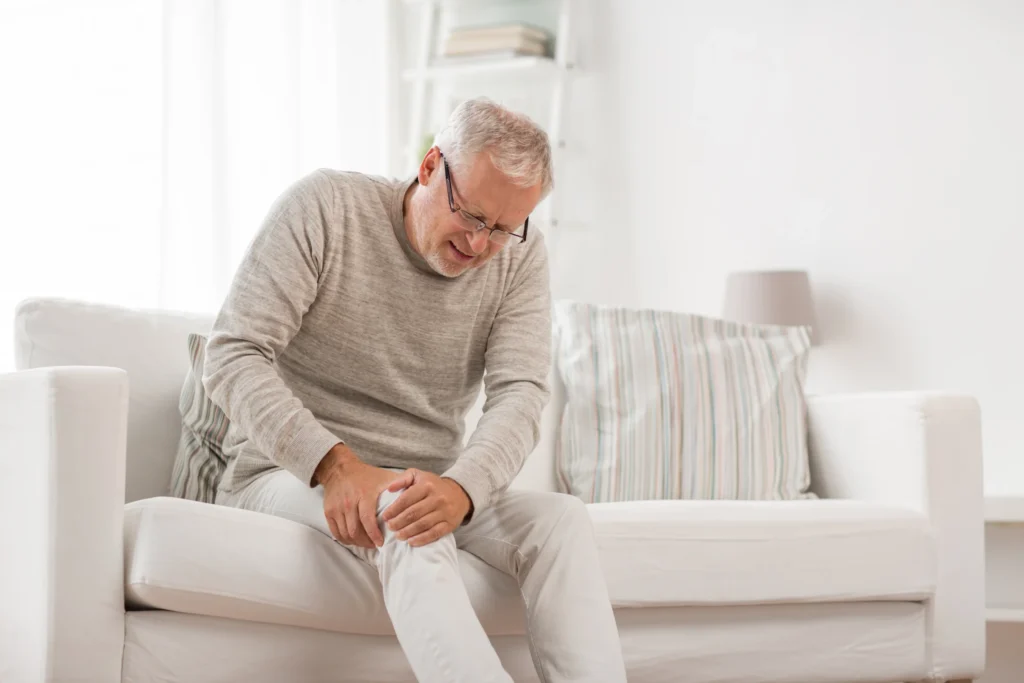
Knee pain can greatly affect one’s mobility and day-to-day life. For those with severe joint damage, knee replacement surgery may be recommended. The two main options are total knee replacement (TKR) and partial knee replacement (PKR). Here, we describe the two and explain which might be more suitable for your circumstances.
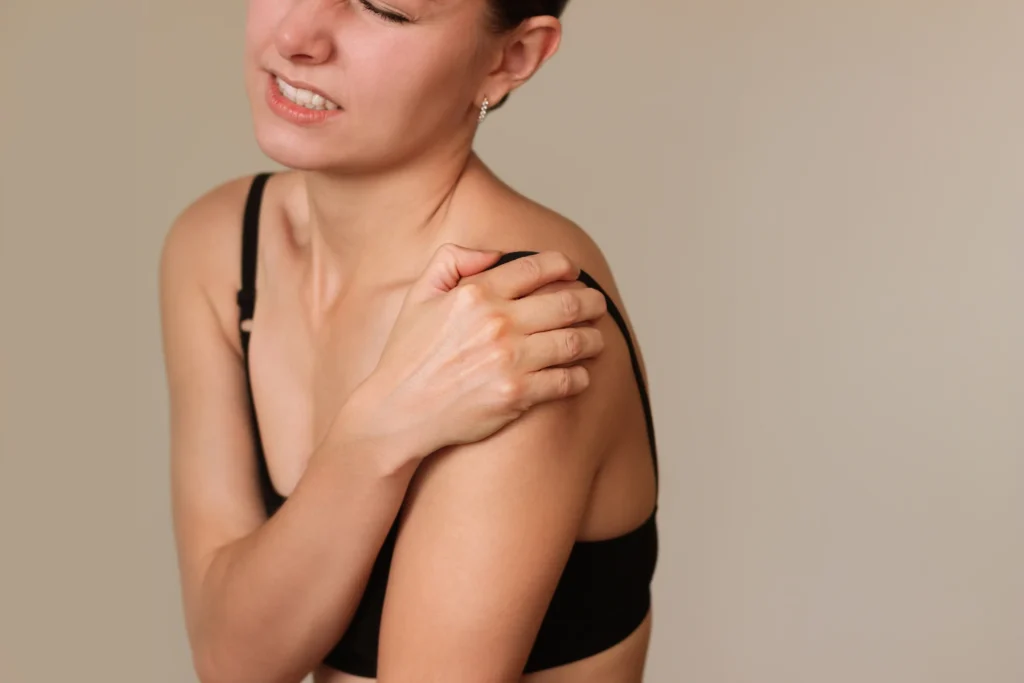
A dislocated shoulder is one of the most common joint injuries. Because the shoulder has such a wide range of motion, it is also less stable than other joints, making it particularly vulnerable to dislocation. When the head of the upper arm bone (humerus) slips out of its socket in the shoulder blade (scapula), the result is immediate pain, loss of function, and often visible deformity.
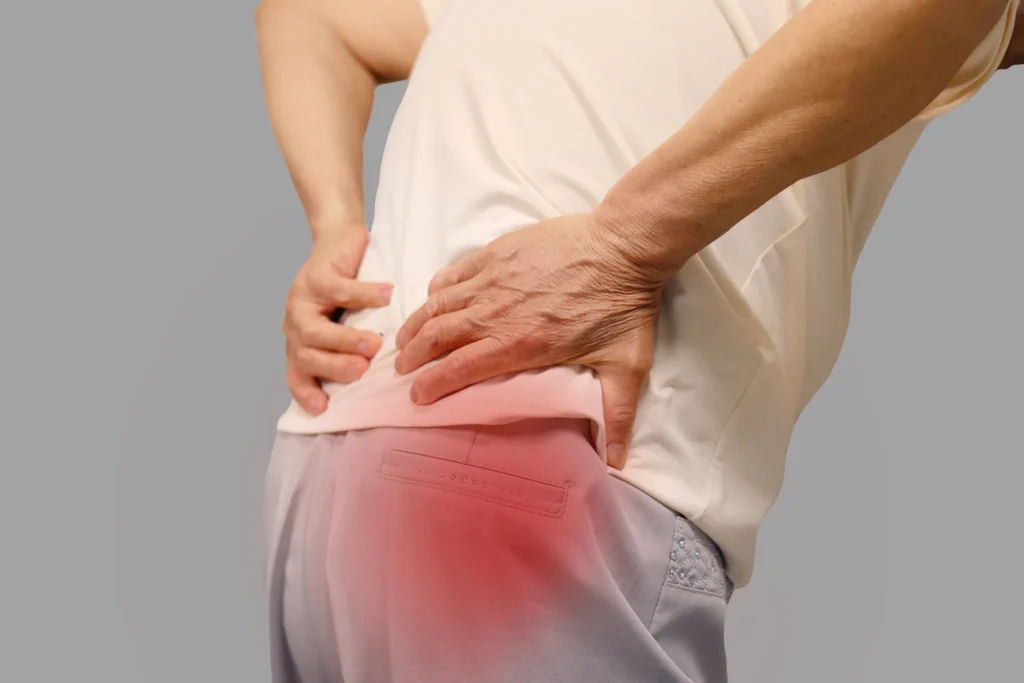
Hip pain can significantly affect daily life. When conservative treatments such as medication, physiotherapy or lifestyle changes are no longer effective, surgery may be considered. Two common procedures are hip arthroscopy and hip replacement. Knowing the differences between the two can help patients make informed decisions about which option may be most appropriate for their condition.
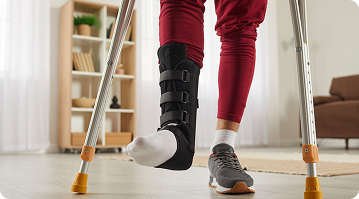
Leg fractures can involve various bones in the leg, including the femur (thighbone), patella (kneecap), tibia (shinbone), and fibula …
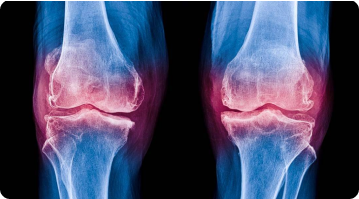
Knee pain is a common problem affecting people of all ages, from athletes pushing their limits to seniors managing everyday tasks. Let us discuss more about knee…
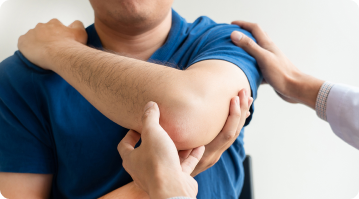
A dislocated shoulder is a common and painful injury that occurs when the ball of the upper arm bone (humerus) is forced out of the shallow socket (glenoid) in…
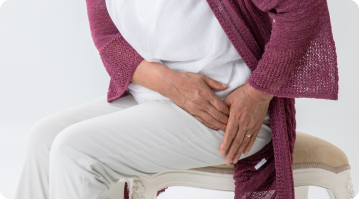
The hip is a ball-and-socket joint that connects the thigh bone (femur) to the pelvis (hip bone). The hip joint is responsible for bearing the weight of the body…
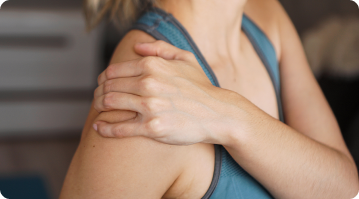
The shoulder consists of the humerus (upper arm bone), scapula (shoulder blade), and clavicle (collarbone), with the glenohumeral (ball-and-socket) joint acting…
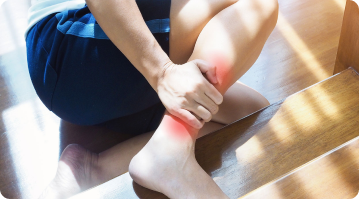
From playground scrapes to the occasional misstep during exercise, bone fractures are a common experience that can strike anyone at any age. While they…
