


Dr Alan Cheung
Senior Consultant Orthopaedic Surgeon in Singapore
MBBS (London), MRCS (England), FRCS (Trauma and Orthopaedics, England), Diploma in Sport and Exercise Medicine (UK), Fellow of the European Board of Orthopaedics and Traumatology, American Academy of Orthopaedic Surgeons (AAOS)
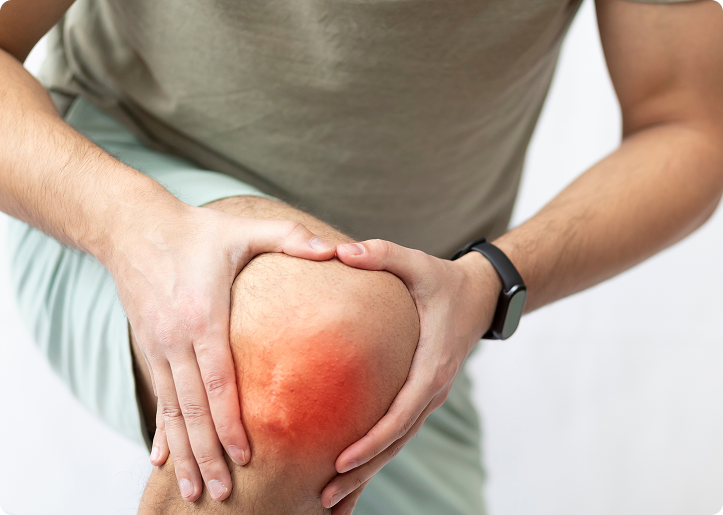
Meniscus tears are among the most common knee injuries and can affect people of all ages, from athletes involved in pivoting sports to individuals experiencing age-related wear and tear of the knee joint. Depending on the severity and location of the tear, symptoms may range from mild discomfort to persistent pain, swelling and difficulty moving the knee. Early diagnosis and appropriate treatment can help relieve symptoms, restore function and support long-term knee health.
What Is a Meniscus Tear?
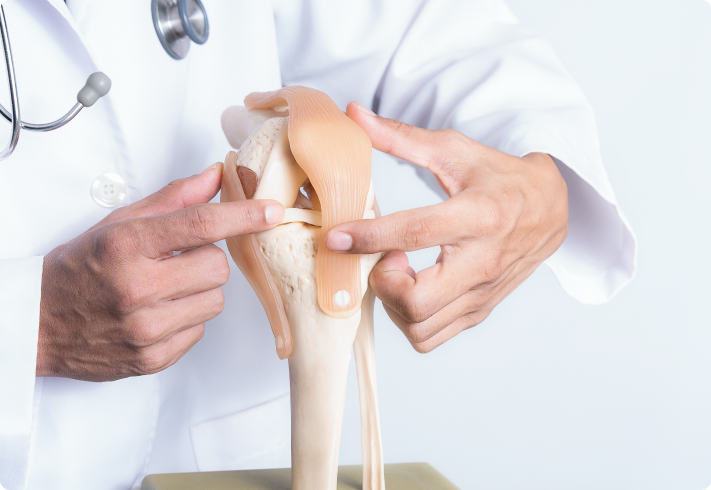
A meniscus tear is a common knee injury that affects the cartilage in the knee joint. The meniscus is a C-shaped piece of tough, rubbery cartilage that cushions and stabilises the knee by acting as a shock absorber between the femur (thighbone) and tibia (shinbone).
Meniscus tears can be categorized into different types based on their shape and location, such as radial tears, bucket-handle tears, horizontal tears and complex tears. The severity of the tear determines the treatment approach and recovery time.