
SERVICES

Hip Replacement Surgery in Singapore

Dr Alan Cheung

Dr Alan Cheung

Senior Consultant Orthopaedic Surgeon in Singapore

MBBS (London), MRCS (England), FRCS (Trauma and Orthopaedics, England), Diploma in Sport and Exercise Medicine (UK), Fellow of the European Board of Orthopaedics and Traumatology, American Academy of Orthopaedic Surgeons (AAOS)

Persistent hip pain and stiffness can significantly affect mobility, independence and overall quality of life. For individuals whose symptoms no longer respond adequately to medication, physiotherapy or other conservative treatments, hip replacement surgery can provide long-term pain relief, restore joint function and support a more active lifestyle.

What Is Hip Replacement Surgery?

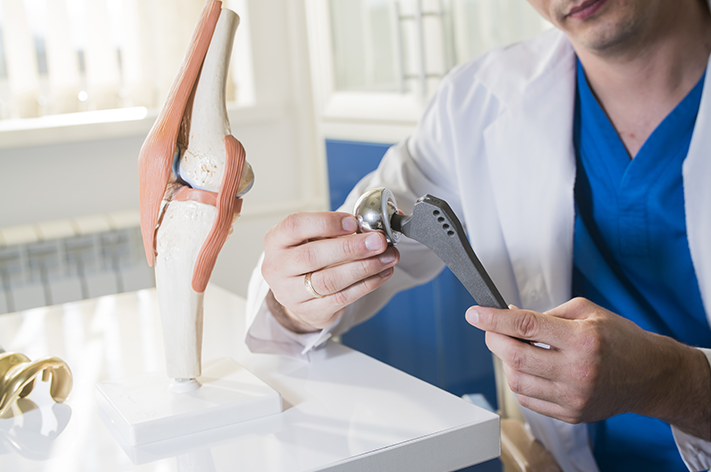
Hip replacement surgery, also known as hip arthroplasty, is a medical procedure in which a damaged or diseased hip joint is replaced with an artificial implant. This surgery is commonly performed to relieve pain and restore function in individuals with severe hip arthritis or other debilitating hip conditions. The procedure involves removing damaged cartilage and bone from the hip joint and replacing them with prosthetic components made of metal, plastic or ceramic materials.

Who May Need Hip Replacement Surgery?

Hip replacement surgery may be recommended for people who have significant hip joint damage that causes persistent pain, stiffness and reduced mobility despite conservative treatment. You may be a suitable candidate for hip replacement surgery if you:

  • Experience hip pain and stiffness that significantly affect daily activities such as walking, standing or sitting for extended periods.
  • Have not achieved adequate relief from conservative treatments such as physiotherapy, medications or injections.
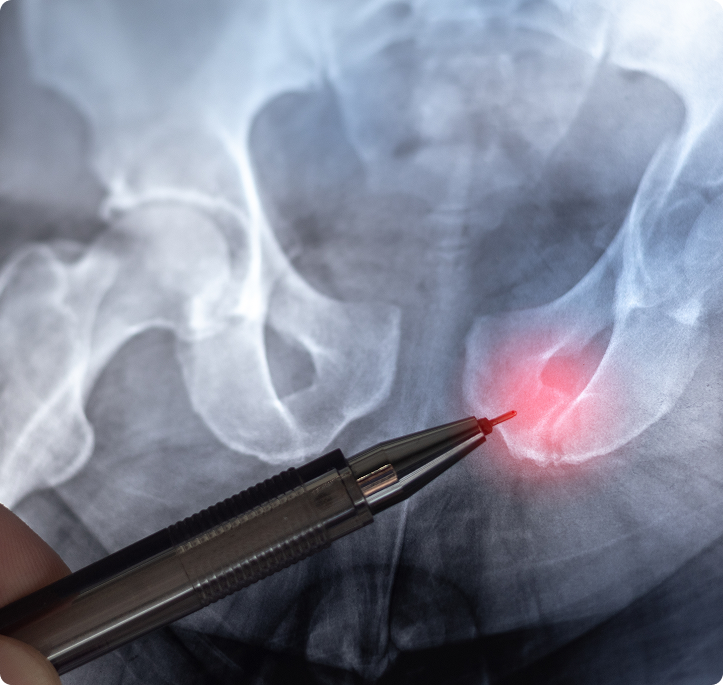
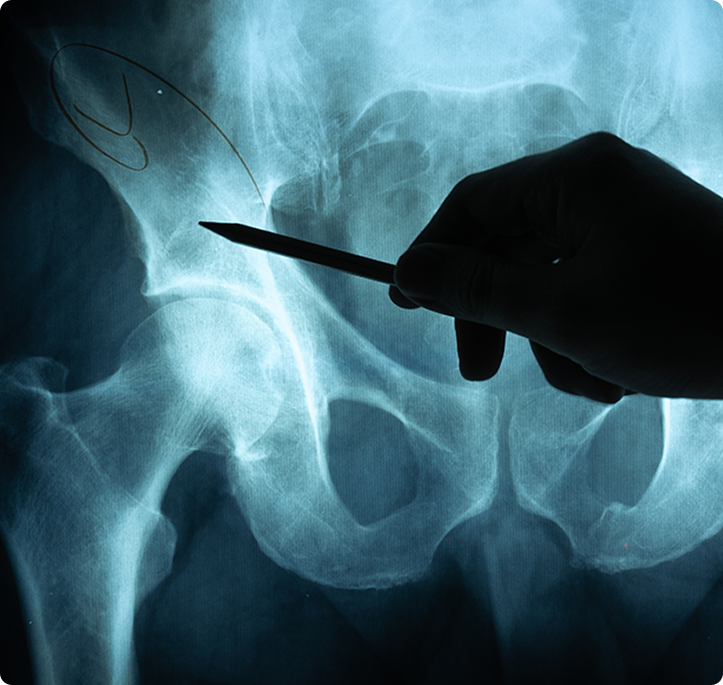
  • Show severe hip joint damage on diagnostic imaging such as X-rays or MRI scans.
  • Have a hip joint that is deformed or unstable, making movement difficult.
  • Experience a reduced quality of life due to ongoing hip pain and limitations in mobility.

What Are The Benefits Of Hip Replacement Surgery?

For patients with advanced hip joint damage, hip replacement surgery can provide significant improvements in comfort, mobility and overall quality of life. While individual outcomes vary, many patients experience the following benefits after treatment:

  • Long-Term Pain Relief

    Replacing damaged joint surfaces can significantly reduce or eliminate chronic hip pain caused by arthritis, injury or other degenerative conditions.
  • Better Joint Function

    A new hip joint can help restore range of motion and improve overall movement of the hip.
  • Enhanced Quality of Life

    By reducing pain and improving function, hip replacement surgery can help patients return to activities they enjoy and participate more fully in work, exercise and social activities.
  • Improved Mobility

    Many patients find it easier to walk, climb stairs and perform daily activities that were previously limited by pain and stiffness.
  • Greater Independence

    Improved mobility and reduced discomfort can make it easier to maintain an active lifestyle and carry out everyday tasks independently.

Seek out early evaluation before hip pain and stiffness severely affect your mobility and quality of life. A specialist can determine the cause and identify the most appropriate treatment options.

Book an Appointment
What Conditions Can Hip Replacement Address?

What Conditions Can Hip Replacement Address?

Hip replacement surgery may be recommended for patients with advanced hip joint damage that causes persistent pain, stiffness and reduced mobility.

  • Osteoarthritis

    The most common reason for hip replacement, where the cartilage in the hip joint degenerates and wears away over time, leading to hip stiffness and deformity.
  • Rheumatoid Arthritis

    An autoimmune condition that causes inflammation of the lining of the hip joint, resulting in chronic joint inflammation and damage. It may affect many joints and body organs and may occur in younger patients.
  • Post-Traumatic Arthritis

    This refers to arthritis that develops after an injury, such as a fracture or dislocation.
  • Avascular Necrosis

    A condition where the blood supply to the femoral head is disrupted, leading to bone death and joint collapse.
  • Hip Fractures

    Severe fractures that affect the hip joint and do not heal properly may require replacement.
  • Severe Hip Pain and Stiffness

    When conservative treatments fail, surgery can provide relief and improve mobility.

How Doctors Choose The Right Hip Replacement Implant

There is no single hip replacement implant that is suitable for every patient. During your consultation, your orthopaedic surgeon will assess several factors to determine the most appropriate implant and surgical approach for your condition.

  • Extent of hip joint damage

    The severity and location of joint wear, arthritis or bone loss.
  • Age and life expectancy

    Younger and older patients may have different implant considerations based on expected long-term use.
  • Activity level and lifestyle

    Daily activities, occupational demands and exercise habits can influence implant selection.
  • Bone quality

    Bone density and strength help determine how the implant should be fixed to the bone.
  • Hip anatomy

    Individual differences in bone structure and joint anatomy affect implant sizing and positioning.
  • Underlying hip condition

    Conditions such as osteoarthritis, rheumatoid arthritis, avascular necrosis or hip fractures may require different treatment considerations.

By evaluating these factors alongside your symptoms and treatment goals, your surgeon can recommend an implant designed to provide optimal stability, mobility and long-term function.

How Doctors Choose The Right Hip Replacement Implant

What Are The Different Types Of Hip Replacement Surgery?

As hip replacement surgery is not a one-size-fits-all procedure, there are several different types of hip replacement procedures, each tailored to the patient's condition and needs:

  • Total Hip Replacement (THR)

    The entire hip joint is replaced with artificial components, including the femoral head (ball) and the acetabulum (socket). This is the most common type of hip replacement surgery and can significantly improve one's quality of life.
  • Hip Resurfacing

    A less invasive procedure where the femoral head is reshaped and capped with a metal covering instead of being replaced. This is typically considered for younger, active patients with strong, healthy bones.
  • Robotic Hip Replacement

    Similar to a traditional hip replacement, this procedure involves the removal of damaged tissue in the hip and replacing it with an artificial joint. However, this procedure is performed with the assistance of a robotic arm. This method offers greater precision and requires a shorter recovery time.
  • Partial Hip Replacement (Hemiarthroplasty)

    Only the femoral head is replaced, preserving the natural socket. This is usually performed for certain hip fractures.
  • Revision Hip Replacement

    This is performed when a previous hip replacement has failed (e.g., due to infection, implant wear or dislocation) or if the artificial implants have worn out over time.

Receive a comprehensive and personalised hip assessment from Dr Alan Cheung, in order to find the right type of hip replacement implant for you.

Contact Our Specialist Today

How Do I Prepare For Hip Replacement Surgery?

Preparing for hip replacement surgery can help support a smoother procedure and recovery. Before surgery, your orthopaedic team will guide you through the necessary assessments and preparations to ensure you are physically ready for treatment and understand what to expect during the recovery process. Some of the most important steps they will guide you through are:

  • Medical Evaluation

    A full assessment, including blood tests and imaging, ensures the patient is fit for surgery.
  • Weight Management

    Overweight patients may be advised to lose weight to reduce strain on the new joint.
  • Strengthening Exercises

    Physiotherapy before surgery can help build muscle strength around the hip.
  • Medication Review

    Some medications may need to be stopped around two weeks before surgery. This usually includes blood-thinning medications and certain herbal supplements.
  • Home Preparation

    Setting up a comfortable recovery space with mobility aids, such as walkers and handrails.
  • Arranging Assistance

    Having a caregiver or family member to help during the initial recovery period.
How Do I Prepare For Hip Replacement Surgery?
How Is Hip Replacement Surgery Performed?

How Is Hip Replacement Surgery Performed?

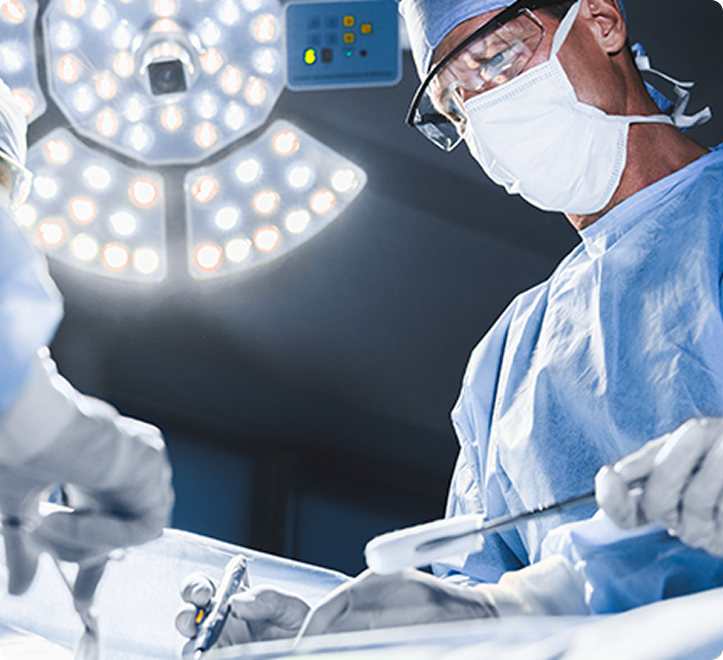
Understanding what happens during hip replacement surgery can help patients feel more informed and prepared. Although each procedure is tailored to the individual's needs, hip replacement surgery typically involves the following stages:

  • Anaesthesia

    The patient is usually given general anaesthesia so they will be asleep during the procedure.
  • Incision

    A surgical cut is made over the hip, exposing the joint.
  • Bone Preparation

    Damaged cartilage and bone are removed from the hip joint.
  • Implant Placement

    Artificial components (prosthetics) are attached to the thigh bone (femur) and hip socket (acetabulum).
  • Adjustment and Closure

    The prosthetics are aligned properly, and the incision is stitched closed.
  • Recovery

    The patient is monitored in the hospital for a few days before starting rehabilitation.

"During the hip replacement operation itself, I aim to use the smallest possible incision (minimally invasive surgery) to perform the surgery. This is not always possible in complex or revision surgery or when the patient is very large. I aim to handle the tissues with care and minimise blood loss, to reduce post-operative pain and allow a swift recovery."

- Dr Alan Cheung

How Long Does The Recovery Process Take For Hip Replacement Surgery?

Recovery after hip replacement surgery varies from person to person depending on factors such as age, overall health, the complexity of the procedure and adherence to rehabilitation.

  • Hospital Stay

    Most patients stay in the hospital for 1-3 days post-surgery.
  • Pain Management

    Medications and ice therapy help control pain and swelling.
  • Physiotherapy

    Rehabilitation starts within 24 hours of surgery, focusing on regaining movement and strength.
  • Mobility Aids

    Walkers or crutches are used initially before transitioning to normal walking.
  • Wound Care

    The wound may take 2 weeks to heal, and it is important to keep it clean and dry during this time.
  • Follow-Up Visits

    Regular check-ups with your hip surgeon to ensure proper healing.
  • Activity Restrictions

    You may be asked to refrain from doing certain movements that can dislocate your new hip, such as crossing your legs or bending your hips more than 90 degrees. You may also be advised to avoid activities that incur great risks of falling and injury to prevent dislocation.
How Long Does The Recovery Process Take For Hip Replacement Surgery?

When Can I Drive, Fly Or Return To Work?

  • Most patients can drive six weeks following hip replacement.
  • You are advised not to fly long-haul for at least six weeks following the operation to reduce the risk of blood clots.
  • Return to work depends on occupation: sedentary jobs may allow return within six to eight weeks, while physically demanding jobs may require three to six months.

What Are The Risks Of Hip Replacement Surgery?

Hip replacement surgeries are considered well-established and effective. However, as with any surgical procedure, there are potential risks and complications that patients should be aware of before undergoing treatment.

  • Infection

    Bacteria can enter the wound and cause complications.
  • Implant Issues

    The prosthetic may loosen, wear out, or cause instability over time.
  • Persistent Pain or Stiffness

    Some patients continue to experience discomfort despite surgery.
  • Blood Clots

    Clots can form in the legs and may travel to the lungs.
  • Nerve Damage

    Temporary or permanent nerve injury can cause numbness or weakness.
  • Anaesthesia Complications

    Risks include allergic reactions or breathing difficulties.

Restoring Mobility And Comfort With Hip Replacement Surgery

Over time, untreated hip problems may affect mobility, independence and overall quality of life. Seeking early medical attention allows your orthopaedic specialist to assess the cause of your symptoms and recommend the most appropriate treatment before joint damage worsens.

At International Orthopaedic Clinic, patients can receive specialist care for various hip conditions, including personalised assessment, non-surgical management and hip replacement surgery where appropriate. Led by Senior Consultant Orthopaedic Surgeon Dr Alan Cheung, our clinic provides expertise in adult joint reconstruction and robotic-assisted orthopaedic surgery to help patients regain mobility and confidence.

If you are experiencing persistent hip pain or reduced mobility, contact us today to arrange a consultation and discuss your treatment options.

START YOUR CARE JOURNEY
Contact Us Today

For more information about our services, or to make an appointment, please reach out to us. We will get back to you as soon as possible.

Whatsapp us
+65 8828 7111
Frequently Asked Questions About Hip Replacement Surgery

Frequently Asked Questions About Hip Replacement Surgery

Age is not a limiting factor as long as you are medically fit. Many older patients undergo successful hip replacements and regain mobility.

Our Hip Replacement Surgery Specialist in Singapore

Dr Alan Cheung

Senior Consultant Orthopaedic Surgeon

MBBS (London)
MRCS (Royal College of Surgeons of England)
FRCS (Trauma and Orthopaedics)
Diploma in Sport and Exercise Medicine
(Faculty of Sport and Exercise Medicine UK)

Dr Alan Cheung is a Senior Consultant Orthopaedic Surgeon with expertise in adult joint reconstruction and robotic-assisted orthopaedic surgery. He has extensive experience managing hip conditions ranging from advanced arthritis and avascular necrosis to complex hip injuries, helping patients regain mobility and improve their quality of life through personalised treatment plans and advanced surgical techniques.

Committed to achieving optimal outcomes for his patients, Dr Cheung utilises evidence-based approaches and modern surgical technologies, including robotic-assisted joint replacement systems, to enhance precision in hip replacement surgery. As a trusted orthopaedic specialist, he has published in numerous peer-reviewed journals and presented his work at international conferences.

  • Fellowship in Joint Reconstruction & Musculoskeletal Oncology
  • Fellowship of the European Board of Orthopaedics & Traumatology
  • Asia Pacific Knee Arthroscopy and Sports Medicine Society
  • American Academy of Orthopaedic Surgeons (AAOS)
Our Clinics

Mt Elizabeth Novena #05-24, 38 Irrawaddy Road, Singapore 329563

View on Google Maps

Farrer Park Hospital Connexion, #08-20, 1 Farrer Park Station Road, Singapore 217562

View on Google Maps

Operating Hours

Monday to Friday : 9 am to 5pm
Saturday : 9 am to 1pm
Sunday & Public Holidays : Closed

Services
  • Sports Injuries
  • Orthopaedic Trauma
  • Knee
  • Hip
  • Shoulder
  • Foot And Ankle