
Services

Keyhole Meniscus Surgery (Arthroscopy) In Singapore

Dr Alan Cheung

Dr Alan Cheung

Senior Consultant Orthopaedic Surgeon in Singapore

MBBS (London), MRCS (England), FRCS (Trauma and Orthopaedics, England), Diploma in Sport and Exercise Medicine (UK), Fellow of the European Board of Orthopaedics and Traumatology, American Academy of Orthopaedic Surgeons (AAOS)

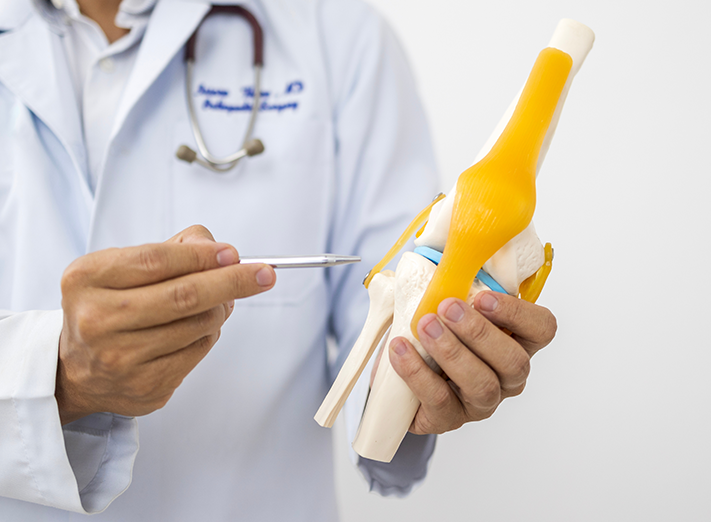
The meniscus is a C-shaped piece of cartilage that cushions and stabilises the knee joint. When torn due to injury or age-related wear and tear, it can cause pain, swelling, stiffness, and symptoms such as locking or catching of the knee. While some meniscus tears can be managed without surgery, arthroscopic (keyhole) surgery may be recommended when symptoms persist or affect daily activities and sports.

What Is Keyhole (Arthroscopic) Meniscus Surgery?

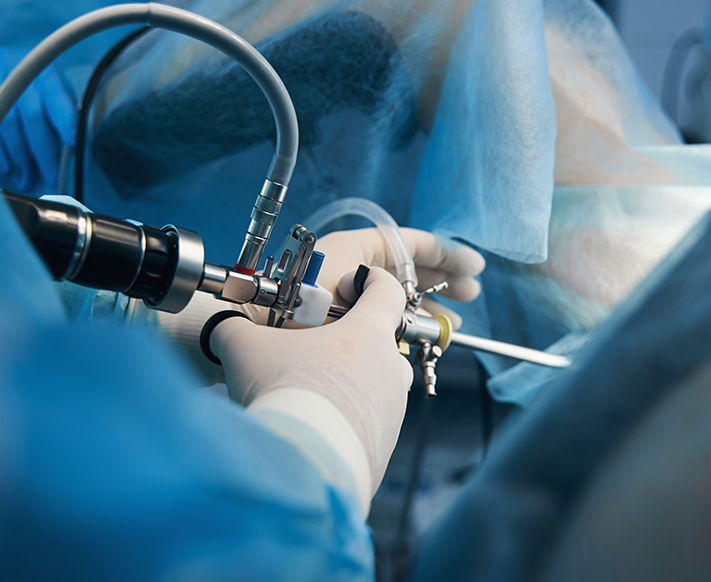
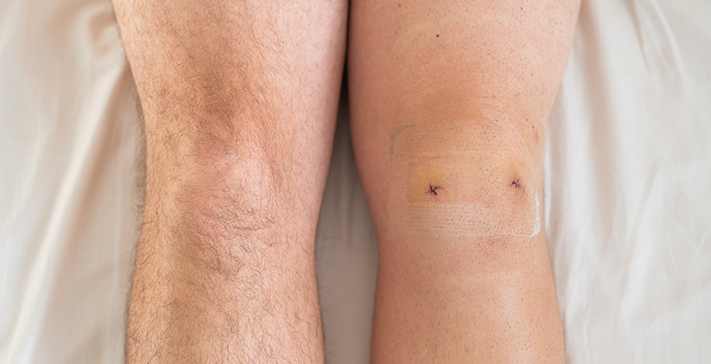
Keyhole meniscus surgery, also known as arthroscopic meniscus surgery, is a minimally invasive procedure used to treat meniscus tears. During the procedure, the surgeon inserts a small camera (arthroscope) and specialised instruments through tiny incisions around the knee to repair or remove damaged meniscus tissue while preserving as much healthy tissue as possible. The aim is to relieve symptoms, restore knee function, and help patients return to their usual activities safely.

Meniscus surgery may be recommended when symptoms affect knee function or do not improve with conservative treatment. Your orthopaedic specialist may consider surgery if you experience:

  • Persistent knee pain
  • Recurrent swelling
  • Locking or catching of the knee
  • Knee instability or giving way
  • Difficulty participating in daily activities or sports
  • A large or unstable meniscus tear

The decision to proceed with surgery depends on the type of tear, severity of symptoms, activity level, and overall condition of the knee.

The most appropriate treatment depends on the type of tear, your
activity level, and your recovery goals. Dr Alan Cheung can help you
understand your options and plan the next steps.

What Is The Difference Between Keyhole (Arthroscopic) And Open Meniscus Surgery?

Both keyhole (arthroscopic) and open meniscus surgery aim to treat meniscus injuries, but they differ in how the knee joint is accessed.

ComparisonKeyhole (Arthroscopic) SurgeryOpen Surgery
Incision SizeSmall incisionsLarger incision
Surgical ApproachUses an arthroscope and specialised instrumentsDirect access to the knee joint through an open incision
Tissue DisruptionMinimalGreater
Recovery TimeTypically fasterGenerally longer
Postoperative PainUsually lessOften greater
Common Use TodayCommonly used for most meniscus proceduresReserved for selected cases

Arthroscopic surgery is the preferred approach for most meniscus tears as it allows the surgeon to assess and treat the injury with minimal disruption to the surrounding structures.

What Are The Benefits Of Keyhole (Arthroscopic) Meniscus Surgery?

Keyhole (Arthroscopic) meniscus surgery is the preferred approach for most meniscus procedures due to its minimally invasive nature and typically faster recovery compared to open surgery. Benefits may include:

  • Minimally Invasive

    : Smaller incisions result in less trauma to surrounding tissues
  • Faster Recovery

    : Reduced downtime compared to open surgery
  • Lower Risk of Infection and Complications

    : Smaller wounds mean a lower chance of infection and bleeding
  • Reduced Postoperative Pain

    : Less tissue disruption leads to a more comfortable recovery
  • Earlier Return to Daily Activities

    : Smaller incisions and less tissue disruption may support a quicker return to work, exercise, and everyday activities.
  • Enhanced Visualisation

    : The arthroscope provides a magnified view of the knee joint, helping the surgeon assess and treat the injury through a minimally invasive approach.

Who Is A Suitable Candidate For Keyhole (Arthroscopic) Meniscus Surgery?

Keyhole (arthroscopic) meniscus surgery may be suitable for individuals with meniscus tears who are looking to relieve symptoms, restore knee function, and return to their usual activities. Patients who may benefit from the procedure include:

  • Active individuals seeking to return to sports or exercise
  • Patients with acute meniscus tears caused by sports injuries or trauma
  • Individuals with symptomatic degenerative meniscus tears that have not improved with non-surgical treatment
  • Patients whose symptoms affect their mobility, work, or daily activities
  • Individuals without advanced knee arthritis

The suitability of surgery depends on several factors, including the type and location of the tear, age, activity level, overall knee health, and treatment goals. An orthopaedic specialist will recommend the most appropriate treatment based on an individual assessment.

Who is a Suitable Candidate for Keyhole (Laparoscopic) Meniscus Surgery?

Whether surgery or non-surgical management is recommended, an accurate assessment is the first step towards effective treatment and recovery.

How is Keyhole (Laparoscopic) Meniscus Surgery Performed?

How Is Keyhole (Arthroscopic) Meniscus Surgery Performed?

Keyhole meniscus surgery is a minimally invasive procedure performed through several stages, from arthroscopic assessment to treatment of the torn meniscus and recovery.

  • Anaesthesia

    The procedure is typically performed under general or regional anaesthesia. Your surgeon and anaesthetist will recommend the most appropriate option for you.
  • Incision and Arthroscope Insertion

    Small incisions are made around the knee, and an arthroscope (a small camera) is inserted to provide a clear view of the joint and meniscus tear.
  • Meniscus Repair or Removal

    Depending on the type and location of the tear, the surgeon may repair the meniscus with sutures or remove the damaged portion while preserving as much healthy tissue as possible.
  • Closure and Recovery

    The incisions are closed with sutures or surgical tape, and a dressing is applied. Most patients can return home on the same day.
  • Postoperative Care

    Recovery typically involves rest, physiotherapy, and gradual return to activity. Your surgeon will provide personalised guidance based on your procedure and recovery goals.

What To Expect Before And After Keyhole (Arthroscopic) Meniscus Surgery?

Before Surgery
After Surgery

Before Surgery

Before surgery, your orthopaedic surgeon will assess your condition and discuss the procedure and expected outcomes with you. You may be advised to:

  • Undergo any necessary preoperative assessments
  • Stop certain medications if required
  • Follow fasting instructions before surgery
  • Arrange for someone to accompany you home after the procedure
Risks of Keyhole (Laparoscopic) Meniscus Surgery

What Are The Risks Of Keyhole (Arthroscopic) Meniscus Surgery?

Although keyhole meniscus surgery is generally safe, all surgical procedures carry some degree of risk. Potential complications may include:

  • Infection
  • Bleeding
  • Blood clots (deep vein thrombosis)
  • Knee stiffness or persistent pain
  • Failure of the repaired meniscus to heal properly
  • Recurrent meniscus tears or re-injury
  • Nerve or blood vessel injury (rare)
  • The need for further treatment or surgery

Your orthopaedic surgeon will discuss the potential risks and benefits of surgery based on your individual condition and treatment plan. With experience in treating knee injuries and performing arthroscopic procedures, Dr Alan Cheung will guide you through the treatment process and recovery journey.

Expert Care For Meniscus Tears And Knee Injuries With Dr Alan Cheung

Meniscus tears can affect knee stability, mobility, and your ability to participate in daily activities or sports. Early assessment can help determine the severity of the injury and identify the most appropriate treatment approach.

At International Orthopaedic Clinic, treatment is tailored to each patient's symptoms, activity level, and recovery goals. Dr Alan Cheung provides comprehensive care for meniscus tears and other knee conditions, ranging from conservative management to minimally invasive arthroscopic procedures when appropriate.

If you are experiencing persistent knee pain, swelling, or mechanical symptoms and would like to learn more about your treatment options, schedule a consultation with Dr Alan Cheung today.

START YOUR CARE JOURNEY
Contact Us Today

For more information about our services, or to make an appointment, please reach out to us. We will get back to you as soon as possible.

Whatsapp us
+65 8828 7111
Frequently Asked Questions

Frequently Asked Questions About Keyhole (Arthroscopic) Meniscus Surgery In Singapore

Keyhole meniscus surgery typically takes between 30 and 60 minutes, depending on the type of meniscus tear and whether repair or removal of damaged tissue is required.

Our Orthopaedic Specialist in Singapore

Dr Alan Cheung

Senior Consultant Orthopaedic Surgeon

MBBS (London)
MRCS (Royal College of Surgeons of England)
FRCS (Trauma and Orthopaedics)
Diploma in Sport and Exercise Medicine
(Faculty of Sport and Exercise Medicine UK)

Dr Alan Cheung is a Senior Consultant Orthopaedic Surgeon with a keen focus on treating sports injuries, adult joint reconstruction and robotic surgery (Makoplasty, Navio & Robodoc). As an avid sportsperson who is actively involved in the sporting scene, Dr Cheung empathises deeply with the needs of athletes. As a trusted orthopaedic specialist, Dr Cheung has published in numerous peer-reviewed journals and has presented at various international conferences.

  • Fellowship in Joint Reconstruction & Musculoskeletal Oncology
  • Fellowship of the European Board of Orthopaedics & Traumatology
  • Asia Pacific Knee Arthroscopy and Sports Medicine Society
  • American Academy of Orthopaedic Surgeons (AAOS)
Our Clinics

Mt Elizabeth Novena #05-24, 38 Irrawaddy Road, Singapore 329563

View on Google Maps

Farrer Park Hospital Connexion, #08-20, 1 Farrer Park Station Road, Singapore 217562

View on Google Maps

Operating Hours

Monday to Friday : 9 am to 5pm
Saturday : 9 am to 1pm
Sunday & Public Holidays : Closed

Services
  • Sports Injuries
  • Orthopaedic Trauma
  • Knee
  • Hip
  • Shoulder
  • Foot And Ankle