SERVICES

Screening for Musculoskeletal Disorders

What Are Musculoskeletal Disorders?

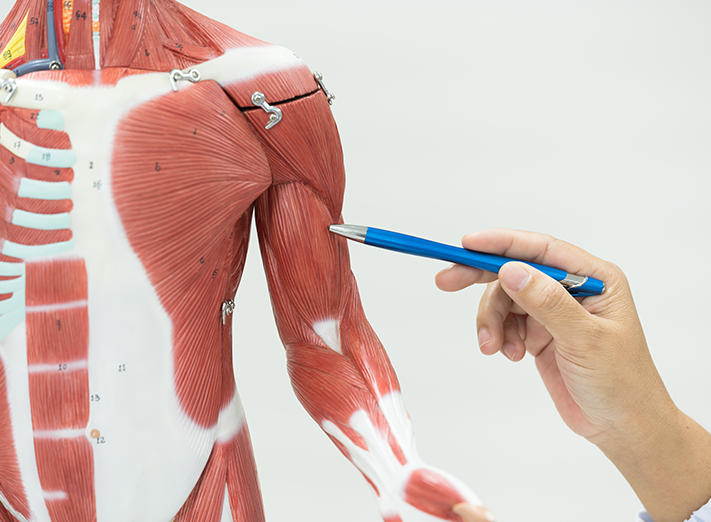
Musculoskeletal disorders (MSDs) encompass a wide range of conditions that affect the bones, muscles, joints, tendons, ligaments, and other connective tissues. These disorders can be acute or chronic and often result in pain, stiffness, and limited mobility.

Common musculoskeletal disorders include arthritis, osteoporosis, tendonitis, carpal tunnel syndrome, and so on. These conditions can arise due to ageing, repetitive stress injuries, genetic predisposition, or underlying medical conditions.

Importance of a Proper Diagnosis

A proper diagnosis of musculoskeletal disorders is essential for effective treatment and management. Early detection can help prevent the progression of these conditions, reducing the risk of severe disability and chronic pain.

Without accurate screening, MSDs may be misdiagnosed, leading to ineffective treatments and prolonged suffering. Proper diagnosis also allows healthcare providers to tailor treatment plans to individual patient needs, optimizing recovery and overall well-being.

For a detailed orthopaedic screening, please reach out to us today.

CALL US WHATSAPP

Main Types of Screening Methods

Screening for musculoskeletal disorders involves a combination of clinical evaluation, imaging tests, laboratory tests, and other diagnostic techniques.

Imaging Tests

X-rays are commonly used to detect bone fractures, joint dislocations, and degenerative conditions like osteoarthritis. They provide detailed images of bones but may not reveal soft tissue injuries effectively.

MRI scans use powerful magnets and radio waves to create detailed images of soft tissues, including muscles, tendons, and ligaments. They are particularly useful for diagnosing conditions like tendonitis, ligament tears, and spinal disorders.

CT scans provide cross-sectional images of the body, offering more detail than X-rays. They are useful for detecting complex fractures, bone tumors, and certain spinal disorders.

This imaging technique uses sound waves to visualize soft tissues in real time. It is particularly effective for assessing conditions like tendonitis, bursitis, and fluid buildup in joints.

Laboratory Tests

Blood tests help diagnose inflammatory and autoimmune musculoskeletal disorders such as rheumatoid arthritis and lupus. Key markers include rheumatoid factor (RF), antinuclear antibodies (ANA), and C-reactive protein (CRP).

A sample of synovial fluid from a joint is analyzed to detect infections, gout, or inflammatory arthritis. This test helps differentiate between various types of arthritis.

Certain musculoskeletal disorders, such as osteogenesis imperfecta and Ehlers-Danlos syndrome, have genetic components. Genetic testing can confirm diagnoses and guide treatment plans.

Other Screening Methods

A specialist assesses range of motion, muscle strength, and joint stability. This hands-on evaluation helps identify musculoskeletal impairments and areas of pain.

These tests measure electrical activity in muscles and nerves, helping to diagnose conditions like carpal tunnel syndrome and peripheral neuropathy.

Dual-energy X-ray absorptiometry (DEXA) scans measure bone mineral density, aiding in the diagnosis of osteoporosis and fracture risk assessment.

START YOUR CARE JOURNEY
Contact Us Today

For more information about our services, or to make an appointment, please reach out to us. We will get back to you as soon as possible.

Call us
+65 6253 7111
Whatsapp us
+65 8828 7111

Frequently Asked Questions

While some musculoskeletal disorders have genetic factors, many can be prevented or managed with lifestyle modifications. Regular exercise, maintaining a healthy weight, good posture, and ergonomic practices can reduce the risk of developing MSDs.

The diagnostic process varies based on the complexity of the condition. Simple fractures can be diagnosed quickly with X-rays, whereas autoimmune diseases like rheumatoid arthritis may require multiple tests over several weeks.

Some conditions, such as fractures and tendonitis, can be fully treated with proper care. Others, like arthritis and osteoporosis, are chronic but can be managed effectively with medication, therapy, and lifestyle adjustments.

Physiotherapy plays a crucial role in rehabilitation and pain management. It helps improve mobility, strengthen muscles, and prevent further complications through exercises and manual therapy techniques.

If pain persists for more than a few weeks, worsens over time, or is accompanied by swelling, redness, or stiffness, seeking medical evaluation is recommended. Early intervention can prevent complications and improve outcomes.

While more prevalent in older adults, musculoskeletal disorders can affect younger individuals due to sports injuries, repetitive strain, and genetic factors. Early diagnosis and treatment are crucial for long-term health and mobility.