
CONDITIONS

Anterior Cruciate Ligament (ACL) Injury Treatment in Singapore

Dr Alan Cheung

Dr Alan Cheung

Senior Consultant Orthopaedic Surgeon in Singapore

MBBS (London), MRCS (England), FRCS (Trauma and Orthopaedics, England), Diploma in Sport and Exercise Medicine (UK), Fellow of the European Board of Orthopaedics and Traumatology, American Academy of Orthopaedic Surgeons (AAOS)

ACL injuries are among the most common knee injuries, particularly in individuals who participate in sports and physically demanding activities. They can affect knee stability, movement and confidence during everyday activities, ranging from mild symptoms to significant functional limitations. Early assessment and appropriate treatment are important to support recovery and help patients return to their desired level of activity.

What Is an ACL Injury?

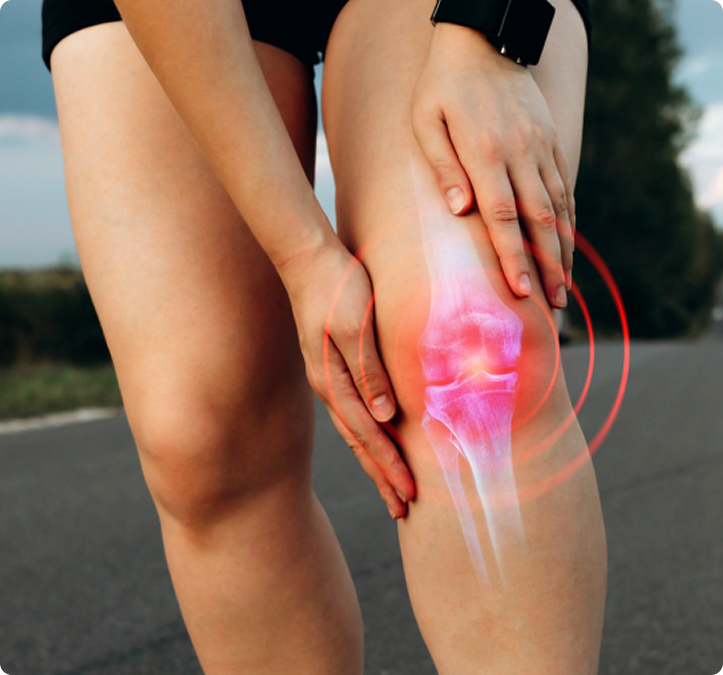
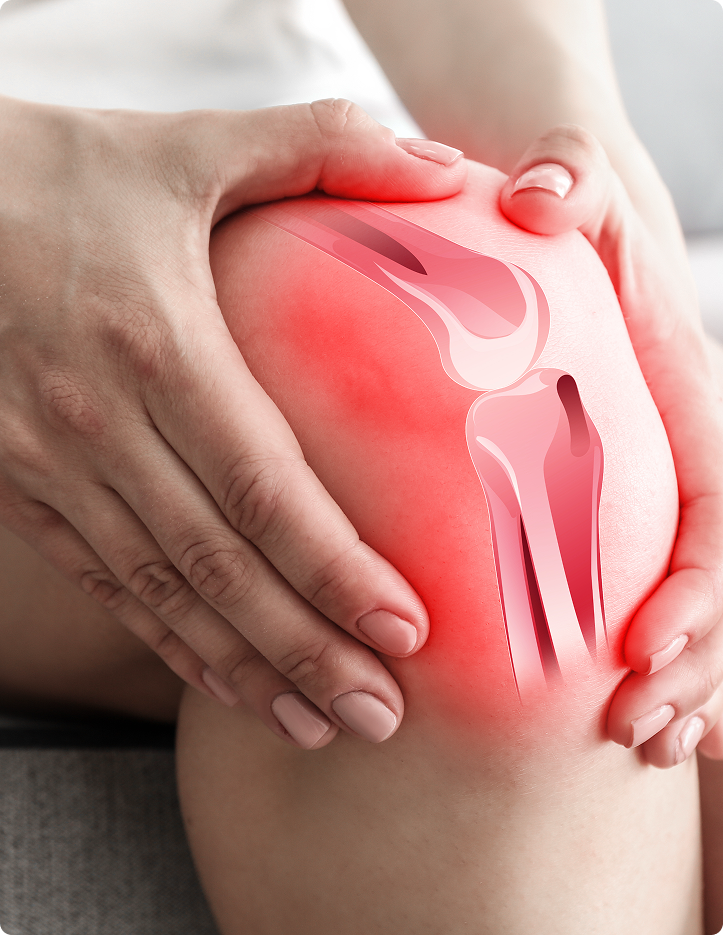
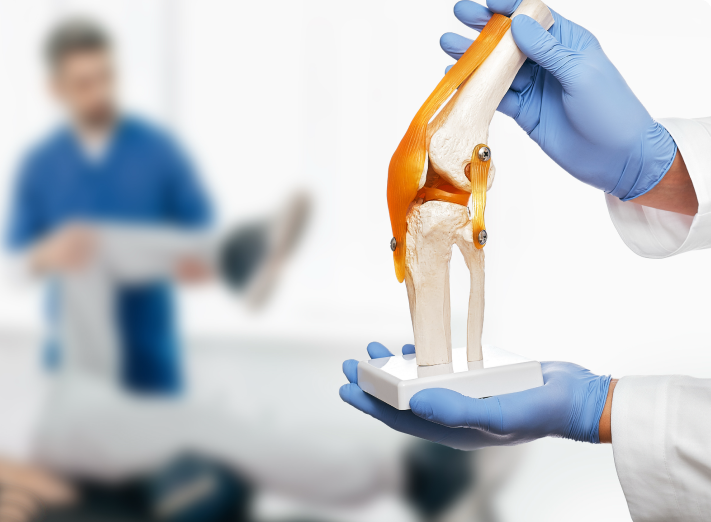
An ACL injury refers to a tear or sprain of the anterior cruciate ligament, one of the key ligaments that helps stabilise the knee joint. This ligament connects the thighbone (femur) to the shinbone (tibia) and is crucial for controlling forward and rotational movement of the knee.

ACL injuries are common in sports and activities that involve sudden stops, changes in direction or high-impact landings. Depending on the severity, ACL injuries can range from a mild sprain to a complete ligament tear, often affecting mobility and requiring targeted treatment.

What Are The Signs And Symptoms Of An ACL Injury?

Individuals with an ACL injury often experience the following:

  • Popping Sound

    Many report hearing or feeling a "pop" at the time of injury.
  • Rapid Swelling

    The knee typically swells within hours due to internal bleeding in the joint.
  • Loss of Range of Motion

    Stiffness and difficulty fully straightening or bending the knee are frequent complaints.
  • Immediate Pain

    Severe pain, especially upon trying to put weight on the affected leg, is common.
  • Instability

    The knee may feel unstable or give out, particularly during weight-bearing activities.
What Can Cause An ACL Injury?

What Can Cause An ACL Injury?

ACL injuries occur when the ligament is stretched beyond its normal capacity. The most common causes include:

  • Sudden Changes in Direction

    Pivoting or cutting sharply while running can place excessive strain on the ACL.
  • Improper Landings

    Jumping and landing incorrectly, with an inward knee bend, increases risk.
  • Direct Trauma

    Collisions, such as those in contact sports, may result in a forceful knee twist or hyperextension.
  • Overuse of the ligament

    Repetitive movements, particularly in sports like basketball or soccer, may weaken the ligament over time.
  • Biomechanical Issues

    Poor form, muscular imbalances or improper footwear may predispose individuals to ACL injuries.

Reach Out To Us Today If You Suspect That You Have An ACL Injury, To Move Forward With An Accurate Diagnosis And Effective Treatment.

Book an Appointment

Who Is At Higher Risk Of An ACL Injury?

While ACL injuries can affect anyone, certain individuals are at a higher risk due to the demands placed on the knee joint during sports and physical activities.

  • Athletes and Active Individuals

    Athletes who participate in sports that involve sudden changes in direction, pivoting, jumping or rapid deceleration are more prone to ACL injuries. These sports commonly include football, basketball, netball, rugby, badminton and skiing. Individuals who regularly engage in high-intensity recreational activities may also face an increased risk.
  • Female Athletes

    Female athletes are generally at a higher risk of ACL injury compared to their male counterparts. This increased risk is thought to be related to a combination of anatomical, biomechanical and hormonal factors, including differences in pelvis and lower limb alignment, ligament laxity and movement patterns during sports activities.
  • Individuals with Previous Knee Injuries

    People who have previously sustained knee injuries may be more susceptible to ACL injuries, particularly if knee strength, stability or movement mechanics have not been fully restored.
  • Individuals with Poor Neuromuscular Control

    Weakness in the muscles around the hip and knee, poor balance or inadequate movement control can increase stress on the ACL and raise the likelihood of injury during physical activity.
Who Is At Higher Risk Of An ACL Injury?
What Are The Types Of ACL Injury?

What Are The Types Of ACL Injury?

ACL injuries are classified based on their severity and nature:

  • Grade 1 Sprain

    The ligament is slightly stretched but remains intact. There may be minor pain, but the knee retains stability.
  • Grade 2 Partial Tear

    The ligament is partially torn, leading to some instability and difficulty bearing weight.
  • Grade 3 Complete Tear

    The ligament is completely torn into two pieces, resulting in significant instability and loss of knee function.
  • Avulsion Injury

    The ligament is torn away from the bone, sometimes pulling a piece of bone with it. This type of injury often requires surgical intervention.

How Is An ACL Injury Diagnosed?

Proper diagnosis allows the knee specialist to determine the best treatment plan. This process involves:

  • Medical History and Physical Examination

    A doctor will ask about how the injury occurred, assess your symptoms and perform tests to evaluate the knee’s stability.

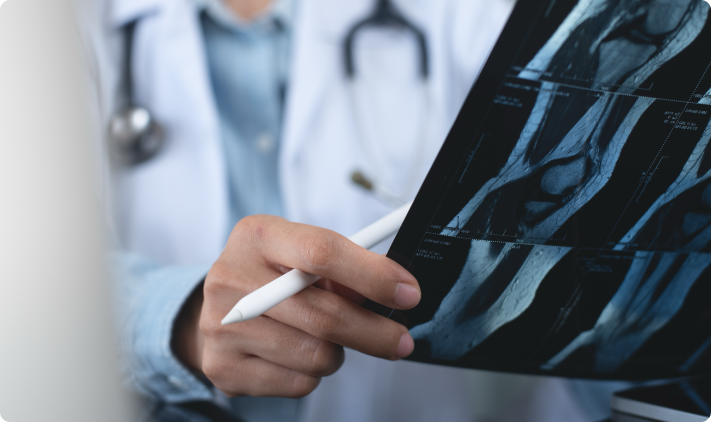
  • Imaging Scans

    • X-rays: X-rays can rule out fractures that may accompany ACL injuries.
    • MRI scans: MRI scans can provide detailed views of soft tissues, including the ACL, to confirm the extent of the injury and assess damage to other structures such as menisci or cartilage.
  • Arthroscopy

    In some cases, a minimally invasive procedure is used to examine the knee joint more closely.

How Is An ACL Injury Diagnosed?

An Accurate Diagnosis Is The First Step Towards Effective Treatment And Recovery.

Consult Dr Alan Cheung for a comprehensive assessment and personalised treatment recommendations if you are experiencing knee pain, swelling, instability or difficulty returning to sports after an injury.

Contact Our Specialist

How Is An ACL Injury Treated?

Treatment options depend on the injury's severity, the patient's activity level and their long-term goals. Generally, treatments fall into non-surgical and surgical categories.

Non-Surgical Treatments
Surgical Treatments (ACL Reconstruction)

Non-surgical Treatments

Non-surgical methods are often effective for partial tears or individuals with low physical activity demands. These include:

  • Rest, Ice, Compression and Elevation (RICE)

    RICE is a first-aid approach commonly used after an ACL injury to help manage pain, swelling and inflammation during the early stages of recovery.

    • Rest: Avoid activities that place stress on the injured knee to prevent further damage and allow healing to begin.
    • Ice: Apply ice packs to the affected area for short intervals to reduce pain, swelling and inflammation.
    • Compression: Use an elastic bandage or knee support to help minimise swelling and provide gentle support to the joint.
    • Elevation: Keep the injured leg raised above heart level whenever possible to reduce swelling by encouraging fluid drainage from the affected area.
  • Physiotherapy

    A structured rehabilitation programme can strengthen surrounding muscles (quadriceps and hamstrings) to improve knee stability.

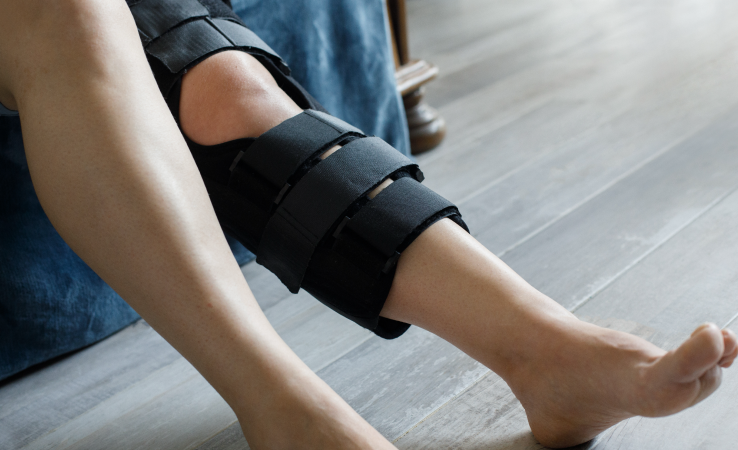
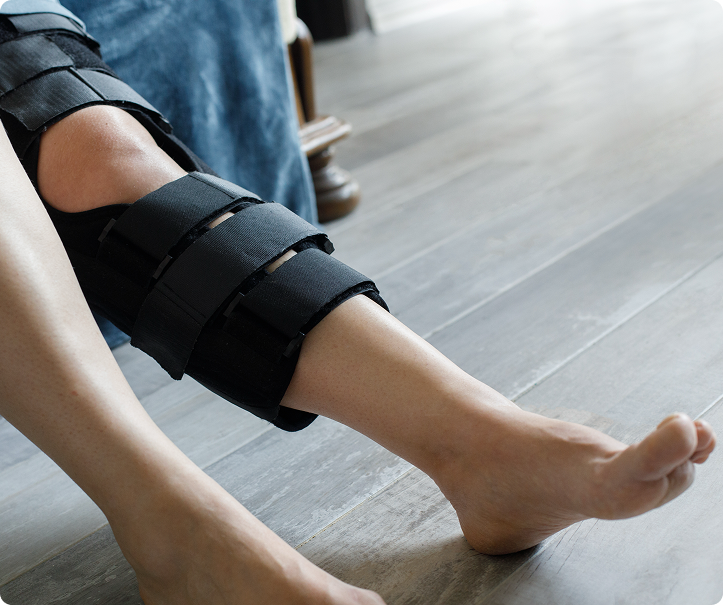
  • Bracing

    A knee brace may provide additional support during healing and prevent further injury.

  • Medications

    Over-the-counter pain relievers can help to manage discomfort and inflammation.

Non-Surgical Treatments for ACL Injury
What Happens After ACL Injury Treatment?

What Happens After ACL Injury Treatment?

Recovery following ACL injury treatment varies depending on the severity of the injury and whether treatment is surgical or non-surgical. A structured rehabilitation programme is important to restore knee strength, stability and function, helping patients return safely to their daily activities and sports.

  • Hospital Stay

    Patients who undergo ACL reconstruction surgery are typically discharged on the same day or after an overnight stay, depending on their recovery progress and individual needs.
  • Early Recovery and Pain Management

    During the first few days after treatment, pain, swelling and inflammation are managed through medications, ice therapy and activity modification. Patients are encouraged to follow their doctor's post-treatment instructions closely.
  • Physiotherapy and Rehabilitation

    Physiotherapy plays a crucial role in recovery. Rehabilitation usually begins shortly after treatment and focuses on restoring knee movement, rebuilding muscle strength, improving balance and gradually returning patients to their desired level of activity.
  • Mobility Aids

    Crutches or other walking aids may be required during the initial recovery period to reduce weight-bearing on the affected leg and protect the healing knee. The duration of use varies depending on the extent of the injury and treatment performed.
  • Return to Daily Activities

    Many patients can resume light daily activities within a few weeks, although higher-impact activities may require a longer recovery period. Recovery timelines vary based on individual progress and treatment goals.
  • Return to Sports

    Patients returning to sports typically undergo a structured rehabilitation programme lasting several months. Clearance is usually based on recovery milestones, knee stability, strength and functional assessments rather than a fixed timeline.

How Can An ACL Injury Be Prevented?

While not all ACL injuries are avoidable, the risk can be reduced with some of these preventative measures:

  • Strength Training

    Be sure to strengthen the muscles around the knee, particularly the quadriceps and hamstrings, for improved joint stability.
  • Neuromuscular Training

    Embark on exercises that enhance balance, coordination and proper movement mechanics.
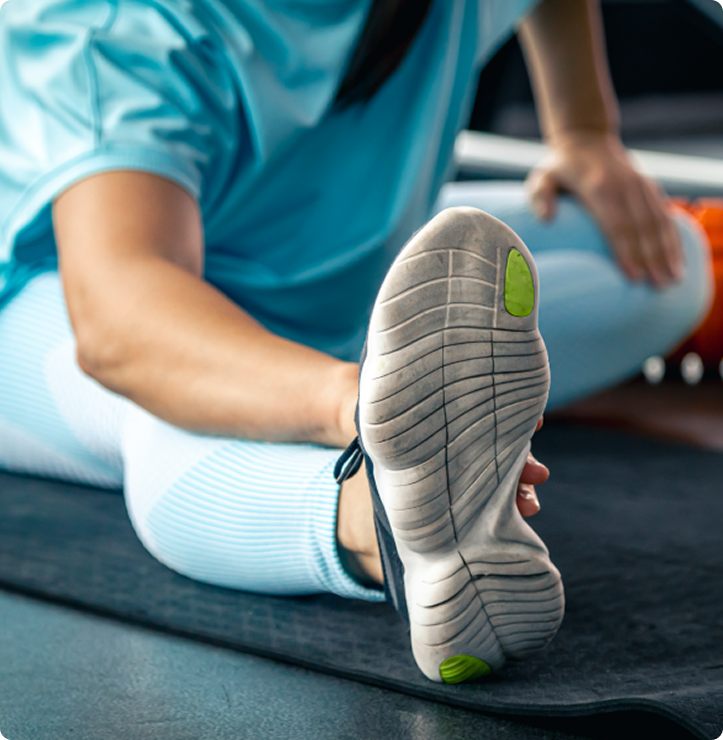
  • Stretching and Warm-Ups

    Adequate stretching before activities ensures that the muscles are flexible and reduces strain on the ACL.
  • Practice Proper Techniques

    Learn safe landing techniques and form for cutting or pivoting motions.
  • Wear Appropriate Footwear

    Shoes that provide adequate support and grip can help reduce stress.
  • Avoid Overtraining

    Allow for rest and recovery to minimise the risk of repetitive stress injuries.
  • Use Protective Gear

    In contact sports, wear proper braces or supports to reduce the likelihood of knee injuries.
How Can An ACL Injury Be Prevented?

Regaining Knee Stability After an ACL Injury

An ACL injury can significantly affect knee stability, mobility and confidence during daily activities and sports. Without appropriate treatment, persistent instability may increase the risk of further knee injuries and damage to surrounding structures such as the meniscus and cartilage.

While some patients may benefit from non-surgical approaches such as physiotherapy, bracing and activity modification, others may require ACL reconstruction surgery to restore knee stability and return to higher levels of physical activity. Early diagnosis and treatment are important for preventing further joint damage and achieving the best possible outcome.

At International Orthopaedic Clinic, patients receive comprehensive care for ACL injuries, from accurate diagnosis and conservative management to advanced surgical treatment when required. Led by Dr Alan Cheung, our senior consultant orthopaedic surgeon, the clinic combines extensive experience in sports injuries and knee conditions with personalised treatment plans designed to support each patient's recovery goals.

If you have experienced a knee injury or are struggling with ongoing knee pain, instability or swelling, contact us today to arrange a consultation and discuss your treatment options.

START YOUR CARE JOURNEY
Contact Us Today

For more information about our services, or to make an appointment, please reach out to us. We will get back to you as soon as possible.

Whatsapp us
+65 8828 7111

Frequently Asked Questions About ACL Injury and Treatment

Symptoms of an ACL injury are often immediate, with patients typically experiencing a popping sound or sensation in the knee, followed by swelling and pain. However, in some cases, the swelling and pain may gradually increase over several hours after the injury.

Our ACL Injury Specialist in Singapore

Dr Alan Cheung

Senior Consultant Orthopaedic Surgeon

MBBS (London)
MRCS (Royal College of Surgeons of England)
FRCS (Trauma and Orthopaedics)
Diploma in Sport and Exercise Medicine
(Faculty of Sport and Exercise Medicine UK)

Dr Alan Cheung is a senior consultant orthopaedic surgeon with extensive experience in diagnosing and treating ACL injuries, ranging from mild ligament sprains to complex ACL tears. With a strong background in sports injuries and knee conditions, he provides personalised treatment plans tailored to each patient's activity level, lifestyle needs and recovery goals.

Dr Cheung is experienced in both non-surgical ACL management and ACL reconstruction surgery, helping patients restore knee stability, regain function and safely return to sports and daily activities. He utilises evidence-based treatment strategies and advanced surgical techniques to optimise outcomes while supporting a structured rehabilitation and recovery process.

  • Fellowship in Joint Reconstruction & Musculoskeletal Oncology
  • Fellowship of the European Board of Orthopaedics & Traumatology
  • Asia Pacific Knee Arthroscopy and Sports Medicine Society
  • American Academy of Orthopaedic Surgeons (AAOS)
Our Clinics

Mt Elizabeth Novena #05-24, 38 Irrawaddy Road, Singapore 329563

View on Google Maps

Farrer Park Hospital Connexion, #08-20, 1 Farrer Park Station Road, Singapore 217562

View on Google Maps

Operating Hours

Monday to Friday : 9 am to 5pm
Saturday : 9 am to 1pm
Sunday & Public Holidays : Closed

Services
  • Sports Injuries
  • Orthopaedic Trauma
  • Knee
  • Hip
  • Shoulder
  • Foot And Ankle