


Dr Alan Cheung
Senior Consultant Orthopaedic Surgeon in Singapore
MBBS (London), MRCS (England), FRCS (Trauma and Orthopaedics, England), Diploma in Sport and Exercise Medicine (UK), Fellow of the European Board of Orthopaedics and Traumatology, American Academy of Orthopaedic Surgeons (AAOS)
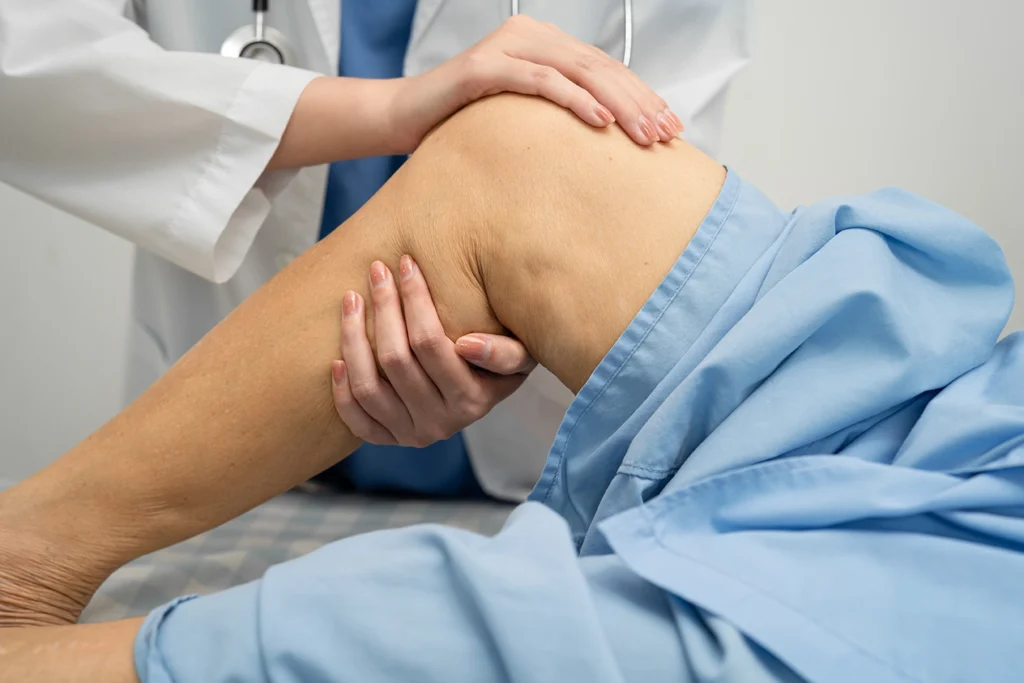
An anterior cruciate ligament (ACL) tear is often treated as an isolated injury, particularly when instability or difficulty returning to sport becomes the main concern. However, the force that tears the ACL can also damage the meniscus, articular cartilage and other ligaments within the knee. These associated injuries may contribute to pain, swelling, restricted movement and instability, even when attention is focused primarily on the ACL.
For this reason, ACL injury assessment involves examining the knee as a complete joint. Identifying the full pattern of injury helps the surgeon determine which structures require treatment and what this may mean for recovery.
Key Takeaways
- An ACL tear may occur alongside meniscal injuries, articular cartilage damage or tears affecting other knee ligaments.
- A comprehensive assessment helps identify the full pattern of damage rather than focusing only on the torn ACL.
- Associated knee injuries can influence whether surgery is recommended, which procedures are required and how rehabilitation is planned.
- Overlooked damage may contribute to persistent pain, instability, repeated giving way or delayed recovery.
What Else Does a Surgeon Assess Besides the Torn ACL?
Besides the ACL itself, a surgeon will assess the knee for meniscal injuries, articular cartilage damage and injuries to other ligaments. The force that tears the ACL may also affect surrounding structures, so understanding the overall pattern of damage is an important part of treatment planning.
Identifying Meniscal Injuries
The menisci are two pieces of cartilage that cushion the knee and contribute to joint stability. They may tear during the same twisting movement that injures the ACL. A surgeon will assess the location, pattern and severity of any meniscal tear, as these factors affect whether it may be repaired, managed without surgery or treated by removing the damaged portion.
Preserving as much healthy meniscal tissue as possible is generally important for protecting the joint. When an ACL tear and a repairable meniscal injury occur together, both may sometimes be addressed during the same operation.
Examining for Articular Cartilage Damage
Articular cartilage covers the ends of the bones and allows them to move smoothly against one another. It may be damaged during the initial injury or through repeated episodes of the unstable knee giving way.
The surgeon assesses the size, depth and location of any cartilage damage. This may influence the recommended treatment, expected recovery and advice about returning to high-impact activities. Significant damage may also affect the knee’s long-term outlook.
Looking Out for Other Ligament Injuries
The ACL is one of several ligaments responsible for controlling knee movement. A high-force injury may also damage the medial collateral ligament, lateral collateral ligament, posterior cruciate ligament or structures within the posterolateral corner of the knee.
Identifying these injuries is important because they may create instability in different directions. Some can heal with bracing and rehabilitation, while others may require surgical repair or reconstruction alongside the ACL.
How Do Associated Knee Injuries Affect ACL Treatment Decisions?
ACL treatment decisions depend on the overall pattern of injury within the knee, not simply the presence of an ACL tear. Associated meniscal, cartilage or ligament injuries may change the procedures required and the way rehabilitation is structured. Injuries affecting the meniscus, articular cartilage or other ligaments may change whether surgery is recommended, which procedures are required and how rehabilitation is structured. A surgeon therefore considers each associated condition when developing the treatment plan.
When a Meniscal Injury Is Present
A meniscal tear may influence both the need for surgery and the procedures performed during ACL reconstruction. The treatment approach depends on the tear’s location, pattern, size and likelihood of healing.
When possible, the surgeon may repair the meniscus during ACL reconstruction to preserve its cushioning and stabilising functions. Tears that cannot be repaired may require removal of only the damaged portion. A meniscal repair can also affect rehabilitation, as weight-bearing and knee movement may need to progress more cautiously while the tissue heals.
When Articular Cartilage Damage Is Present
The location, depth and extent of articular cartilage damage can affect the expected outcome of ACL treatment. Depending on their size, depth, location and symptoms, cartilage defects may be monitored or treated alongside the ACL injury, while some may require an additional cartilage procedure.
Cartilage damage may also influence discussions about returning to running, pivoting sports and other high-impact activities. As cartilage has a limited capacity to heal, the surgeon will consider how the proposed treatment can restore stability while reducing further stress on the affected joint surfaces.
When Other Ligament Injuries Are Present
Damage to additional ligaments can create instability in more than one direction, making treatment more complex than an isolated ACL injury. The surgeon assesses which ligaments are involved, the severity of each tear and whether they are likely to heal with bracing and rehabilitation.
Some associated ligament injuries can be managed without surgery while the ACL is treated. More severe or combined ligament injuries may require repair or reconstruction, either during the same operation or through staged procedures. These injuries can also extend the rehabilitation period and affect when the patient may safely return to sport or demanding physical activity.

What Can Happen If Associated Knee Damage Is Overlooked?
Treating an ACL injury without recognising damage to other parts of the knee may leave important sources of pain, instability or restricted movement unaddressed. Even if the ACL is reconstructed successfully, an overlooked meniscal tear, cartilage injury or additional ligament tear can continue to affect knee function.
Possible consequences include:
- Persistent pain or swelling: Untreated meniscal or cartilage damage may continue to irritate the joint, particularly during weight-bearing or physical activity.
- Ongoing instability: Damage to other ligaments may allow abnormal movement even after the ACL has been treated.
- Repeated giving-way episodes: An unstable knee may buckle during turning, landing or changing direction, potentially causing further damage.
- Progressive meniscal or cartilage damage: Continued stress on an injured knee can worsen existing damage and affect joint health over time.
- Delayed or incomplete recovery: Unrecognised injuries may prevent expected progress during rehabilitation or delay the return to work, exercise and sport.
- Need for further treatment: Persistent symptoms may require additional imaging, rehabilitation or surgery after the initial treatment.
A comprehensive assessment allows the surgeon to identify the full extent of the injury and address each problem within a coordinated treatment plan. This gives the surgeon a clearer basis for treatment planning and allows recovery expectations to account for injuries beyond the ACL itself.
Seek a Comprehensive ACL Injury Assessment
A thorough assessment can help determine whether an ACL tear is accompanied by meniscal, cartilage or other ligament injuries that may influence treatment and rehabilitation.
The International Orthopaedic Clinic provides comprehensive assessment and personalised treatment for ACL injuries and other knee conditions. Dr Alan Cheung evaluates the knee as a whole to develop a treatment plan based on the patient’s injuries, activity demands and recovery goals. Schedule an appointment with us for a detailed ACL injury assessment and advice on the appropriate next steps.
