
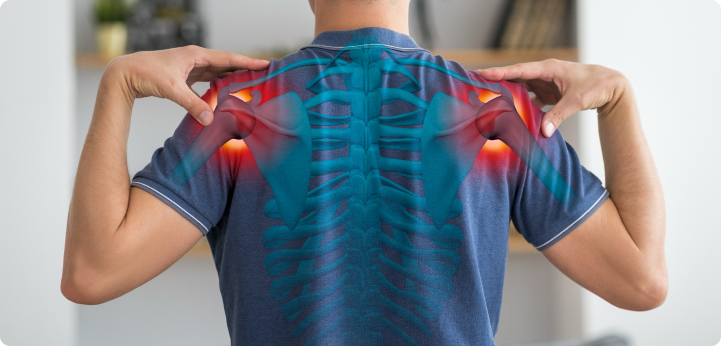


Shoulder Specialist in Singapore
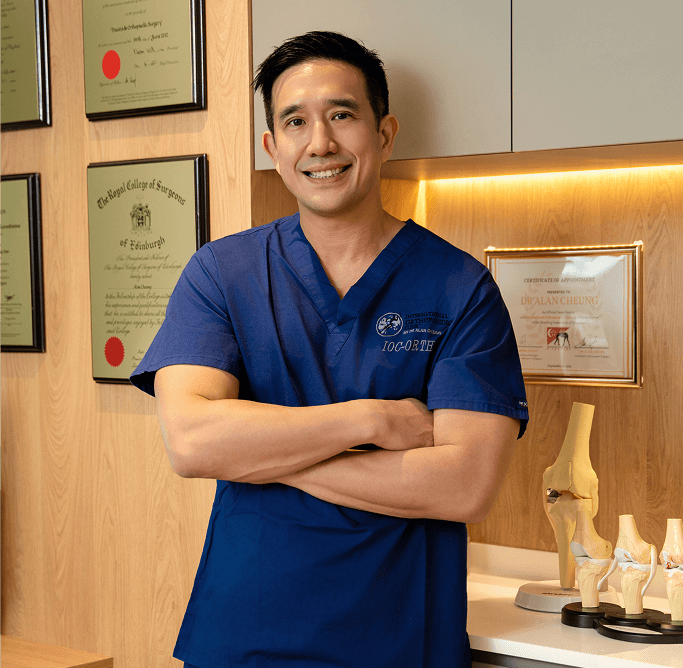
Dr Alan Cheung

Shoulder Specialist in Singapore

Dr Alan Cheung has over 20 years of experience in orthopaedic surgery, with a special focus on shoulder surgery, as well as sports and exercise medicine.

BOOK AN APPOINTMENT

Shoulder Conditions We Treat

We treat a full range of shoulder injuries and orthopaedic disorders affecting the shoulder joint. Some of them include:

Shoulder Treatments We Provide

We provide a comprehensive range of shoulder treatments ranging from conservative methods to complex surgeries. These include:

For a detailed evaluation of your shoulder, please contact our specialist clinic today.

MAKE AN APPOINTMENT

Dr Alan Cheung

Senior Consultant Orthopaedic Shoulder Surgeon | Director of the International Orthopaedic Clinic (IOC)

MBBS (London)
MRCS (Royal College of Surgeons of England)
FRCS (Trauma and Orthopaedics)
Diploma in Sport and Exercise Medicine
(Faculty of Sport and Exercise Medicine UK)

Dr Alan Cheung is an experienced shoulder surgeon in Singapore dedicated to helping patients with shoulder injuries and conditions regain optimal function and mobility as quickly as possible. From non-surgical treatments to minimally invasive procedures and complex shoulder surgeries (including the use of robotic techniques), patients can rest assured that they will receive personalised and effective care in their best interests.

  • Fellowship in Joint Reconstruction & Musculoskeletal Oncology
  • Fellowship of the European Board of Orthopaedics & Traumatology
  • Asia Pacific Knee Arthroscopy and Sports Medicine Society
  • American Academy of Orthopaedic Surgeons (AAOS)
More About Dr Cheung

Why Choose Our Shoulder Clinic?

  • Team of Experienced Orthopaedic Shoulder Specialists, Interventional Radiologist & Sports and Exercise Medicine Doctor
  • Full Range of Treatments: From Conservative Therapies to Complex Shoulder Surgeries
  • Strong Expertise in Sports Injury Management
  • Global Expertise from the United Kingdom, Australia and Singapore

When Should You See a Shoulder Specialist?

As shoulder injuries can affect one’s mobility and comfort, and become more complicated to treat the longer treatment is delayed (and the condition worsens), it is important to seek medical attention from a shoulder specialist as early as possible.

Signs and symptoms to look out for include:

  • Persistent shoulder pain that does not improve with rest or medication
  • Difficulty lifting, reaching, or moving the arm due to stiffness or weakness
  • Swelling, redness, or warmth around the shoulder joint
  • A popping, clicking, or grinding sensation when moving the shoulder
  • Shoulder pain that worsens at night or interferes with sleep
  • A recent injury or fall leading to sudden pain or instability
  • Frequent shoulder dislocations or a feeling of the shoulder “slipping out of place”

The doctor will be able to properly diagnose your condition and come up with a targeted and effective treatment plan.

START YOUR CARE JOURNEY
Contact Us Today

For more information about our services, or to make an appointment, please reach out to us. We will get back to you as soon as possible.

Call us
+65 6253 7111
Whatsapp us
+65 8828 7111

FAQs on Shoulder Conditions & Treatments

The shoulder is a highly mobile joint, making it susceptible to various injuries and conditions, including:

  • Rotator cuff tears – Damage to the tendons that stabilize the shoulder
  • Frozen shoulder (adhesive capsulitis) – Stiffness and pain due to joint capsule thickening
  • Shoulder impingement syndrome – Tendons become pinched between bones, causing pain and inflammation
  • Shoulder dislocation or instability – The upper arm bone slips out of the shoulder socket
  • Bursitis – Inflammation of the bursa (fluid-filled sacs) that cushion the joint
  • Labral tears – Damage to the cartilage that helps stabilize the shoulder
  • Osteoarthritis – Wear-and-tear degeneration of the shoulder joint

Yes, the shoulder joint is highly prone to injury due to its wide range of motion and flexibility. It is less stable than other joints and relies on muscles, tendons, and ligaments for support. Repetitive overhead movements, trauma, aging, and sports-related activities can increase the risk of shoulder injuries.

To prevent shoulder injuries, try to ensure the following:

  • Strengthen the shoulder muscles through regular exercise
  • Maintain good posture to reduce strain on the shoulder joint
  • Warm up and stretch before sports or strenuous activities
  • Avoid repetitive overhead movements or take breaks when necessary
  • Use proper techniques in sports and weightlifting
  • Avoid carrying excessively heavy loads on one shoulder
  • Listen to your body and seek treatment if you experience pain or discomfort

When selecting a shoulder specialist in Singapore, consider the following:

  • Experience and credentials – Look for a surgeon with in-depth expertise in shoulder conditions
  • Specialisation – Some doctors focus on sports injuries, arthritis, or minimally invasive procedures of the shoulder
  • Treatment options – Ensure the specialist offers both conservative (non-surgical) and surgical treatments
  • Hospital or clinic reputation – Choose a well-regarded clinic or hospital with high-quality service and patient outcomes
  • Patient reviews and recommendations – Look for positive feedback from previous patients
  • Accessibility – Consider location, waiting times, and insurance coverage

During your first visit, the shoulder specialist will:

  • Discuss your symptoms and medical history – Including past injuries and lifestyle factors
  • Perform a physical examination – Checking pain levels, range of motion, and stability
  • Recommend imaging tests (if needed) – X-rays, MRI, ultrasound, or CT scans to assess the condition
  • Provide a diagnosis – Explaining the cause of your symptoms
  • Suggest a treatment plan – May include medication, physical therapy, injections, or surgery depending on severity

No, surgery is not always required. Many shoulder conditions can be managed with conservative treatments such as physiotherapy, pain relief medication, and injections. Surgery is usually considered if:

  • The injury is severe (e.g., a large rotator cuff tear or recurrent dislocations)
  • Conservative treatments fail to relieve symptoms
  • The condition significantly affects daily activities or mobility