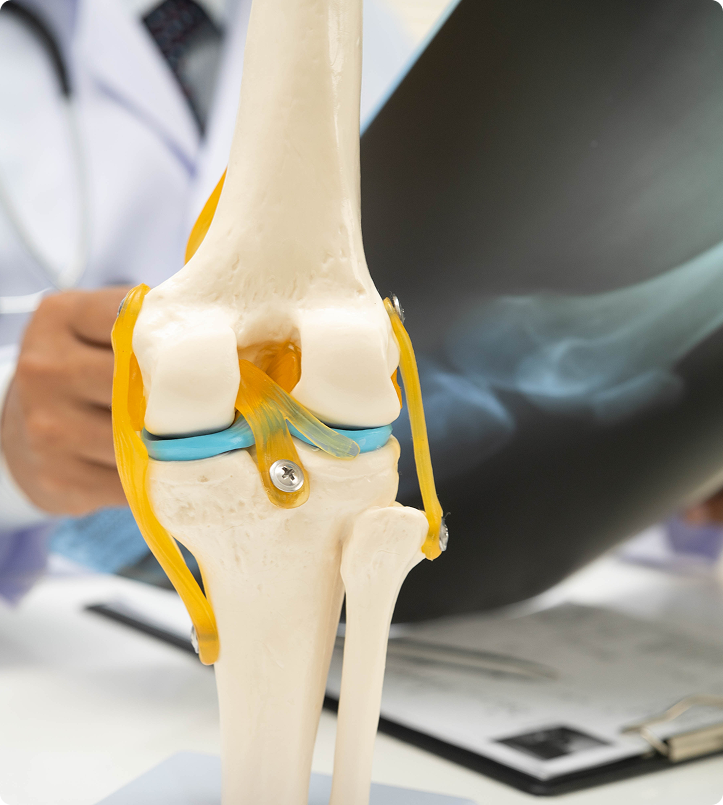



Persistent knee pain, stiffness and reduced mobility can make everyday activities such as walking, climbing stairs and getting up from a chair increasingly difficult. When non-surgical treatments no longer provide adequate relief, your orthopaedic specialist may suggest knee replacement surgery to help restore function, improve mobility and support a better quality of life.
What Is Knee Replacement Surgery?
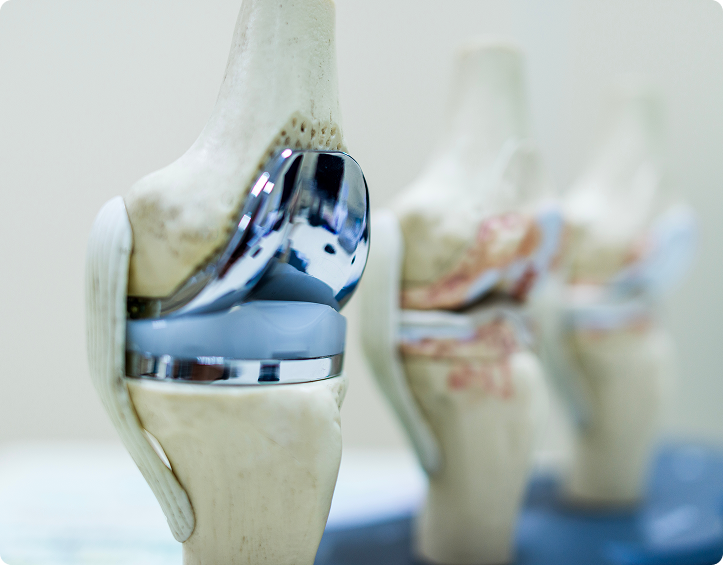
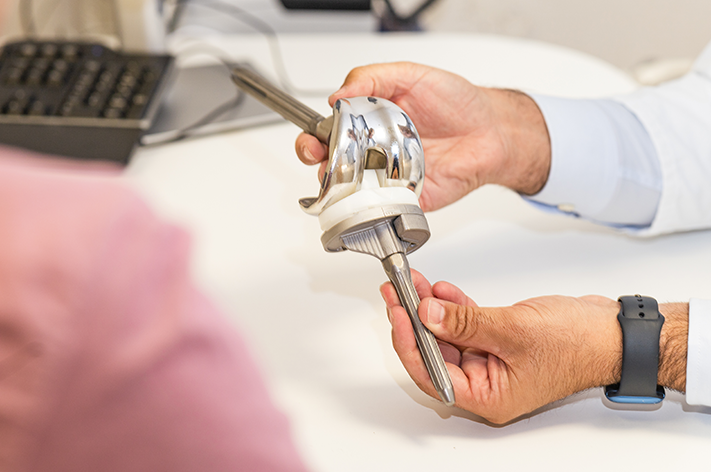
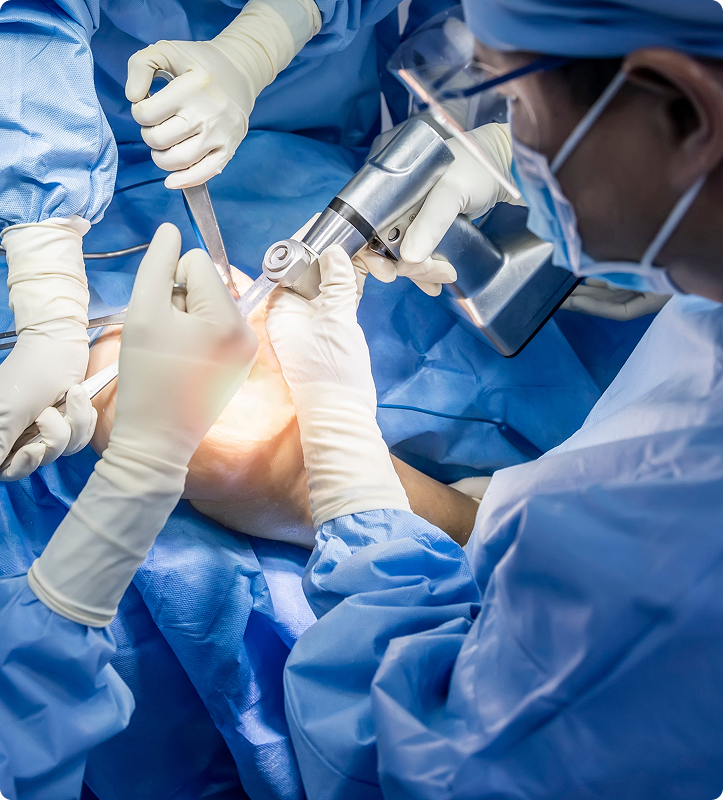
Knee replacement surgery, also known as knee arthroplasty, is a medical procedure in which a damaged or diseased knee joint is replaced with an artificial implant. This surgery is typically performed to relieve pain and restore function in individuals with severe knee arthritis or other debilitating knee conditions. The procedure involves removing damaged cartilage and bone from the knee joint and replacing them with prosthetic components made of metal, plastic or ceramic materials.
Who May Need Knee Replacement Surgery?
Knee replacement surgery may be recommended for individuals with advanced knee joint damage that causes persistent pain, stiffness and reduced mobility despite conservative treatment. You may be a suitable candidate if you:
- Experience knee pain that affects daily activities such as walking, climbing stairs or getting up from a chair.
- Have ongoing symptoms despite physiotherapy, medications or knee injections.
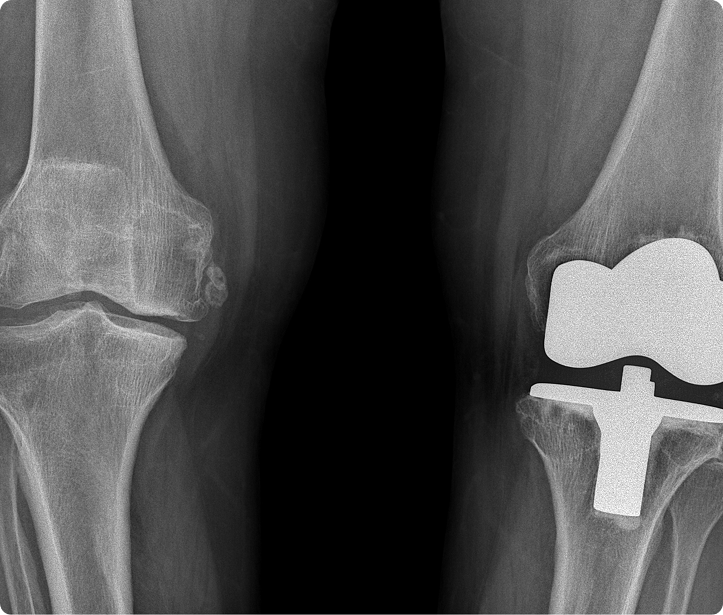
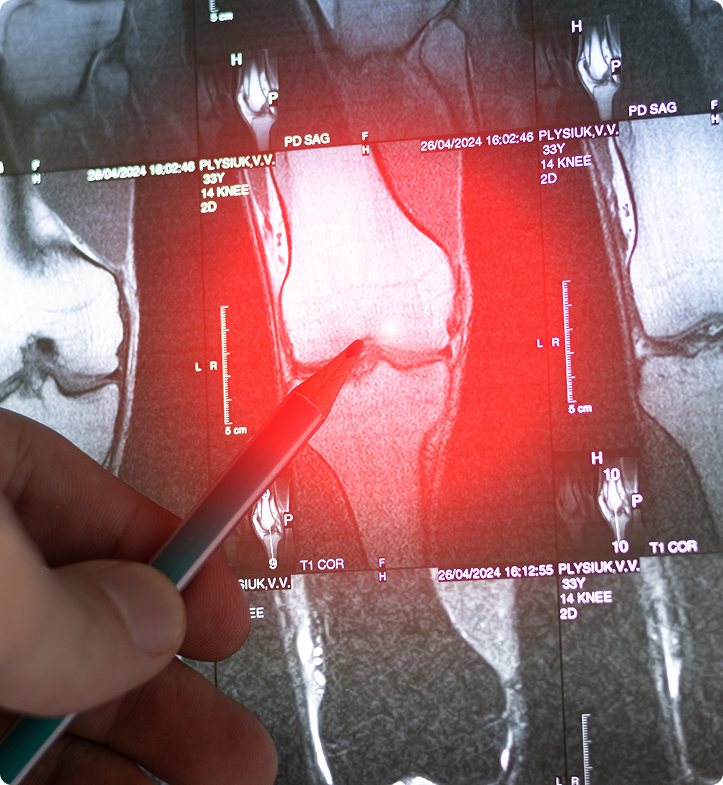
- Show significant joint damage or loss of cartilage on X-rays or MRI scans.
- Have knee deformities such as bow legs or knock knees that affect function and mobility.
- Experience knee instability, stiffness or reduced range of motion.
- Have a significantly reduced quality of life due to knee symptoms.
Common conditions that may lead to knee replacement surgery include osteoarthritis, rheumatoid arthritis, post-traumatic arthritis and other forms of advanced knee joint degeneration.
Your orthopaedic specialist will assess your symptoms, medical history, imaging findings and overall health to determine whether knee replacement surgery is appropriate for you.