

BLOG

When Does a Meniscus Tear Cause Locking or Instability Rather Than Just Pain?

Dr Alan Cheung

Dr Alan Cheung

Senior Consultant Orthopaedic Surgeon in Singapore

MBBS (London), MRCS (England), FRCS (Trauma and Orthopaedics, England), Diploma in Sport and Exercise Medicine (UK), Fellow of the European Board of Orthopaedics and Traumatology, American Academy of Orthopaedic Surgeons (AAOS)

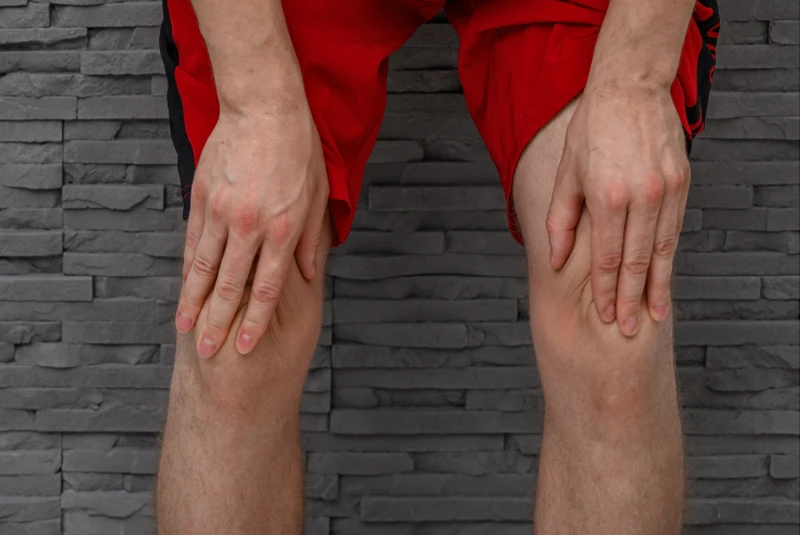
Athlete with knee pain.

Pain is often the first symptom people notice after a meniscus tear, but it is not always the symptom that concerns orthopaedic specialists the most. Depending on the type and location of the tear, the injury can also affect how the knee moves, leading to sensations such as locking, catching or instability.

These mechanical symptoms may indicate that the torn meniscus is interfering with the normal movement of the knee joint rather than simply causing inflammation. Understanding the difference can help determine when meniscus tear treatment or surgical intervention may be needed to restore normal knee function.

Pain Isn't the Only Problem a Meniscus Tear Can Cause

A meniscus tear can produce a wide range of symptoms. While pain and swelling are common after the initial injury, some tears also cause mechanical symptoms that affect how the knee functions.

Depending on the tear, you may experience:

  • Pain, particularly when twisting, squatting or putting weight on the affected knee.
  • Swelling, which may develop over several hours after the injury or following activity.
  • Locking, where the knee becomes stuck and cannot fully bend or straighten.
  • Catching or clicking, where movement feels momentarily interrupted before continuing.
  • Instability or giving way, where the knee feels unreliable during weight-bearing activities.
  • Reduced range of motion, making the knee feel tight or difficult to move through its normal range.

Recognising the difference between pain and mechanical symptoms helps explain why treatment recommendations can vary from one meniscus tear to another.

Why Does Your Knee Lock, Catch or Give Way?

The meniscus is a C-shaped piece of cartilage that acts as a cushion between the thigh bone (femur) and shin bone (tibia). When it tears, the damaged tissue does not always remain in place. Depending on the size, location and shape of the tear, part of the meniscus may move during knee motion and interfere with how the joint functions.

This can lead to different mechanical symptoms:

Locking

A torn fragment may become trapped between the bones, preventing the knee from fully bending or straightening.

Catching

The torn meniscus may briefly interfere with joint movement before shifting back into place.

Giving way or instability

Pain, muscle inhibition or disruption to the knee's normal mechanics may cause the joint to feel less stable during movement.

These symptoms suggest that the tear may be affecting the mechanics of the knee rather than causing pain alone.

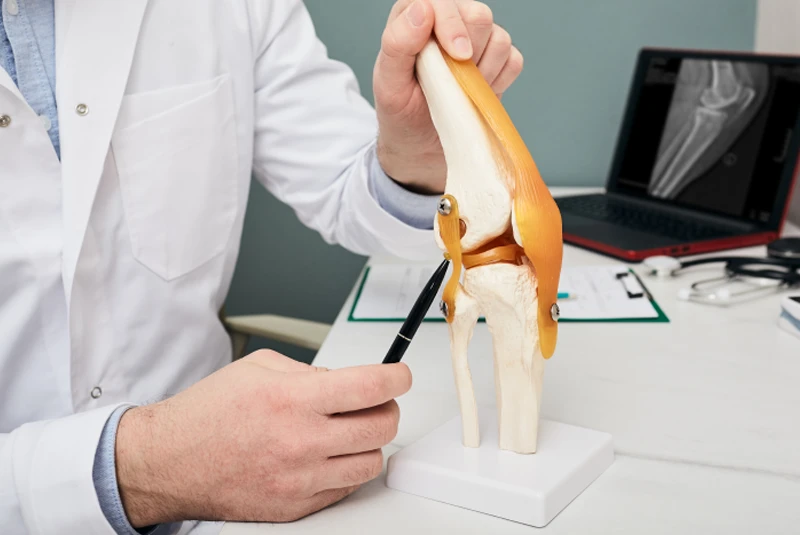
Doctor pointing to a model of the knee.

Why Should Mechanical Symptoms Not Be Ignored?

Unlike knee pain, which may improve as inflammation settles, mechanical symptoms often indicate that the torn meniscus is still interfering with the normal movement of the knee. Ignoring these symptoms may allow the torn meniscus to continue interfering with normal knee movement, making everyday activities increasingly difficult.

Persistent mechanical symptoms can lead to:

  • Difficulty bending or straightening the knee fully, limiting normal movement.
  • Repeated episodes of locking or catching, which may interrupt walking or other daily activities.
  • Ongoing irritation within the joint, resulting in recurrent swelling or discomfort after activity.
  • Reduced confidence when bearing weight, particularly if the knee feels unstable or unpredictable.
  • Further stress on the knee joint, as altered movement patterns may place additional strain on the surrounding cartilage and other joint structures.

While not every meniscus tear requires surgery, ongoing locking, catching or instability should not be dismissed as part of the normal healing process. Early assessment helps determine whether your current treatment approach remains appropriate.

When Does a Meniscus Tear Need Surgical Treatment?

Many meniscus tears can be managed without surgery, particularly if the tear is small, stable and not causing significant mechanical symptoms.

Surgical treatment may be considered if:

  • Mechanical symptoms persist, such as locking, catching or an inability to fully straighten the knee.
  • Conservative treatment has not relieved your symptoms, despite an appropriate period of rehabilitation.
  • The tear is unstable or displaced, meaning the damaged tissue is less likely to heal or may continue interfering with knee movement.
  • The injury continues to affect your daily activities, work or sports, despite non-surgical management.
  • Associated knee injuries are present, such as ACL injuries that may also require treatment.

The goal of meniscus surgery is not simply to relieve pain but to restore smooth knee movement and preserve as much healthy meniscus tissue as possible whenever appropriate. Depending on the type and location of the tear, your orthopaedic surgeon may recommend repairing the meniscus or removing only the damaged portion while preserving the remaining cartilage.

Restore Knee Function with Dr Alan Cheung

A meniscus tear can affect more than comfort. Symptoms such as locking, catching or instability may indicate that the injury is affecting how your knee functions and should not be ignored. Identifying the cause of these mechanical symptoms is an important step in determining the most appropriate treatment.

At International Orthopaedic Clinic, we provide comprehensive assessment and treatment for meniscus injuries and other knee conditions. Led by Dr Alan Cheung, our team takes a thorough, evidence-based approach to assessing the type and severity of each tear, understanding how it affects knee function and recommending the most appropriate treatment to support long-term recovery. Every treatment plan is tailored to the characteristics of the injury, your symptoms and your activity goals.

If you are experiencing persistent knee pain, locking, catching or instability after a meniscus injury, arrange a consultation with us to discuss your symptoms, treatment options and whether further assessment is needed.

FAQs About the Mechanical Symptoms of Meniscus Tear

Yes. Many people are still able to walk after a meniscus tear, although they may experience pain, swelling or discomfort during certain movements. However, if your knee repeatedly locks, gives way or you are unable to bear weight comfortably, you should seek assessment by an orthopaedic specialist.

Meet Our Knee Specialist in Singapore

Dr Alan Cheung

Senior Consultant Orthopaedic Surgeon

MBBS (London)
MRCS (Royal College of Surgeons of England)
FRCS (Trauma and Orthopaedics)
Diploma in Sport and Exercise Medicine
(Faculty of Sport and Exercise Medicine UK)

Dr Alan Cheung is a Senior Consultant Orthopaedic Surgeon with a keen focus on treating sports injuries, adult joint reconstruction and robotic surgery (Makoplasty, Navio & Robodoc). As an avid sportsperson who is actively involved in the sporting scene, Dr Cheung empathises deeply with the needs of athletes. As a trusted orthopaedic specialist, Dr Cheung has published in numerous peer-reviewed journals and has presented at various international conferences.

  • Fellowship in Joint Reconstruction & Musculoskeletal Oncology
  • Fellowship of the European Board of Orthopaedics & Traumatology
  • Asia Pacific Knee Arthroscopy and Sports Medicine Society
  • American Academy of Orthopaedic Surgeons (AAOS)
Our Clinics

Mt Elizabeth Novena #05-24, 38 Irrawaddy Road, Singapore 329563

View on Google Maps

Farrer Park Hospital Connexion, #08-20, 1 Farrer Park Station Road, Singapore 217562

View on Google Maps

Operating Hours

Monday to Friday : 9 am to 5pm
Saturday : 9 am to 1pm
Sunday & Public Holidays : Closed

Services
  • Sports Injuries
  • Orthopaedic Trauma
  • Knee
  • Hip
  • Shoulder
  • Foot And Ankle