

The Basis of Chronic Knee Pain: Beyond Simple Wear and Tear

Dr Alan Cheung
Senior Consultant Orthopaedic Surgeon in Singapore
MBBS (London), MRCS (England), FRCS (Trauma and Orthopaedics, England), Diploma in Sport and Exercise Medicine (UK), Fellow of the European Board of Orthopaedics and Traumatology, American Academy of Orthopaedic Surgeons (AAOS)
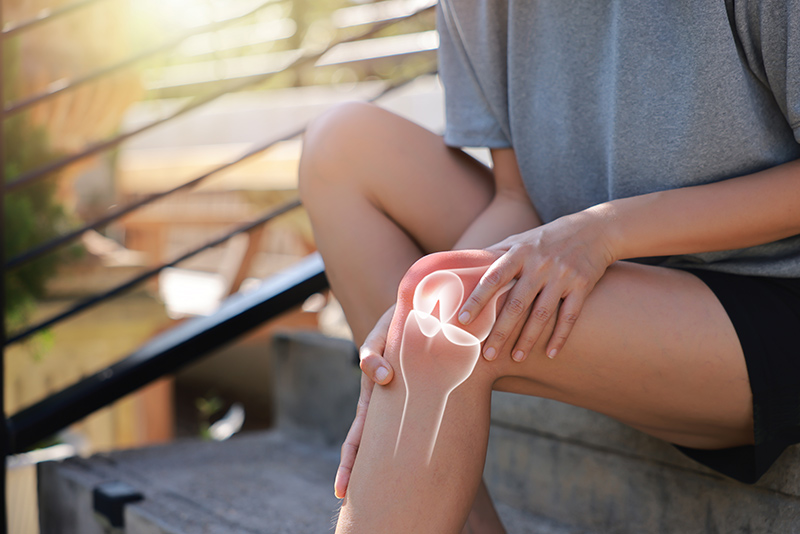
Rather than a simple mechanical hinge that eventually rusts, the knee is a living organ that responds as much to its internal chemistry as it does to physical pressure. This biological ecosystem relies on the synovium—a thin joint lining—to produce lubricating fluid, but when this tissue becomes inflamed, it transforms into a primary source of chronic throbbing and localised heat.
This inflammatory response is compounded by the fact that articular cartilage lacks its own nerve supply, remaining functionally silent during the initial stages of decay. As a result, you only begin to experience significant pain once this degradation reaches the underlying subchondral bone or irritates the surrounding joint capsule. Therefore, to move beyond mere symptom management and toward targeted knee pain treatment, it is essential to first understand these deep-seated biological changes before they occur.
Mechanical vs. Inflammatory Pain: Identifying the Source
Distinguishing between mechanical and inflammatory triggers is essential for an accurate diagnosis, as each requires a different clinical approach. While both result in discomfort, their biological origins determine whether you need structural repair or chemical stabilisation:
- Mechanical Triggers: This type of pain is usually caused by structural failures within the joint, such as meniscus tears or loose bodies. Often described as the pebble in the shoe effect, mechanical pain is typically sharp and specifically triggered by certain movements like twisting, locking, or deep bending.
- The Inflammatory Cascade: Unlike mechanical blocks, inflammation is a biochemical process where systemic or localised triggers lead to effusion—the accumulation of excess joint fluid. This results in a persistent, chronic throbbing and a feeling of internal tightness that often feels worse after periods of inactivity.
- The Biological Alarm System: The ultimate messenger for both types of pain is a network of nociceptors, or specialised pain receptors, located in the joint capsule and subchondral bone. These receptors act as an alarm system, signalling biological distress to the brain whenever the joint's internal environment becomes physically strained or chemically imbalanced.
The Chemistry of Chronic Knee Pain
When knee pain becomes chronic, it is often driven by a toxic internal environment rather than just physical damage. This shift from structural to chemical distress involves three primary biological factors:
- Cytokines and Proteases: During chronic flare-ups, the joint produces inflammatory chemicals known as cytokines and enzymes called proteases. These act like biological solvents that gradually eat away at the healthy proteins in your cartilage, accelerating the degradation of the joint even without further injury.
- Subchondral Bone Pressure: In cases of advanced wear, the loss of cartilage increases the direct load on the underlying subchondral bone. This leads to a buildup of internal bone pressure, which is often responsible for the deep, nagging ache that tends to intensify at night or during rest.
- The Nerve Sensitisation Factor: Persistent pain can eventually recalibrate your nervous system, a process known as peripheral and central sensitisation. Over time, the nerves surrounding the joint become hyper-reactive, causing them to signal intense distress to the brain even in response to minor, low-impact movements.
Why 'Wear and Tear' is a Misleading Term
While the phrase 'wear and tear' suggests a passive erosion, joint degradation is actually an active and failed biological response. This is a result of:
- The Biology of Repair: When cartilage is damaged, the body attempts to stabilise the joint by growing new bone in an effort to redistribute weight. This process often results in the formation of bone spurs, or osteophytes, which can physically impinge on surrounding tissues and cause significant structural pain.
- The Impact of Lifestyle on Joint Biology: Excess weight and poor metabolic health are more than just physical burdens; they act as pro-inflammatory triggers. Fat tissue is biologically active, releasing systemic chemicals that keep the joint in a constant state of low-grade inflammation, regardless of how much you move.

Clinical Pathways for Knee Injury Treatment in Singapore
Navigating the recovery process requires a shift from managing symptoms to addressing the joint's underlying biological and mechanical state. To achieve long-term stability, consider the following clinical pathways:
- Multimodal Treatment Strategies: This pathway involves combining mechanical stabilisation with biological anti-inflammatory protocols. By addressing both the physical alignment of the joint and the chemical triggers within the synovial fluid, clinicians can create a more stable environment for long-term healing.
- The Role of Regenerative Medicine: Modern knee pain treatment in Singapore increasingly focuses on resetting the joint's internal environment. These advanced therapies aim to modulate the inflammatory cascade and improve the biological health of the joint tissues, rather than simply relying on temporary pain relief.
Explore Treatments with International Orthopaedic Clinic
Understanding that chronic knee pain is a complex biological process rather than a simple mechanical failure is the first step toward lasting relief. By moving beyond temporary symptom masking and addressing the toxic internal chemistry of the joint, you can halt the cycle of inflammation and nerve sensitisation.
At International Orthopaedic Clinic, we specialise in identifying the precise origins of joint distress to create tailored recovery pathways. Our specialist, Dr Alan Cheung, utilises his extensive expertise in robotic surgery and regenerative medicine to help patients regain their mobility and return to an active lifestyle.
To address the root cause of your discomfort and explore modern biological treatments, book an appointment or get in touch with us today.
Frequently Asked Questions (FAQs) About Knee Joint Pain
Why does my knee pain feel worse during cold or rainy weather?
Changes in barometric pressure cause the tissues and fluids within your joint to expand or contract, which directly irritates the sensitive nerve endings in the surrounding capsule. In a climate like Singapore, these sudden shifts during a storm can increase internal joint pressure, making existing inflammation feel significantly more acute and restrictive during daily movement.
Can emotional stress actually increase the physical pain in my knees?
High levels of cortisol and other stress hormones increase systemic inflammation throughout the body, which heightens the sensitivity of the pain receptors located within your knee joint. This biological process, known as central sensitisation, means that emotional strain can physically amplify the signals sent to your brain, making a standard knee injury feel more debilitating than usual.
If cartilage has no nerves, why does bone-on-bone arthritis hurt so much?
While the cartilage itself lacks a nerve supply, the underlying subchondral bone and the surrounding synovial lining are densely packed with pain fibres that react to increased mechanical pressure. Once the protective cartilage is gone, these exposed structures bear the full weight of your body, triggering intense inflammatory responses and sharp pain signals during every step you take.
