


Dr Alan Cheung
Senior Consultant Orthopaedic Surgeon in Singapore
MBBS (London), MRCS (England), FRCS (Trauma and Orthopaedics, England), Diploma in Sport and Exercise Medicine (UK), Fellow of the European Board of Orthopaedics and Traumatology, American Academy of Orthopaedic Surgeons (AAOS)

Hip pain is not always felt where people expect it to be. A problem involving the hip may sometimes be noticed as discomfort in the groin, thigh, buttock or even the knee, which can make the source of the pain difficult to recognise.
This can be confusing, particularly when the area that hurts seems unrelated to the hip itself. The location of pain can provide useful clues, but it does not always point directly to the structure causing the problem.
Key Takeaways
- Hip problems are not always felt directly over the hip. Pain originating from the hip may sometimes be felt in another area.
- Where the pain is felt can offer useful clues, but location alone cannot confirm its source.
- How symptoms respond to movement or certain positions can provide additional information during assessment.
- A doctor may examine the hip as well as related areas before deciding whether imaging or further investigation is needed.
Why Can a Hip Problem Cause Pain Somewhere Else?
Where hip pain is felt depends partly on which tissues are affected and the nerve pathways they share with nearby areas. This means the place that hurts may not be where the problem starts.
Referred Pain From the Hip Joint
Referred pain occurs when discomfort originating in one area is perceived somewhere else. Nerve pathways carrying signals from the hip can overlap with those serving other parts of the leg, making the exact source less obvious.
This means a problem involving the hip may sometimes produce discomfort further away from the joint, even when the painful area itself is not affected.
Pain Around the Hip May Not Come From the Joint
Not all pain felt around the hip begins within the hip joint. Muscles, tendons and other surrounding tissues can also produce symptoms in the region.
Pain may also be referred towards the hip from another area, such as the lower back. Irritation of nerves in the lower back can also cause pain that spreads towards the hip or down the leg. The location of discomfort alone therefore cannot confirm where the problem originates.
What Can the Pattern of Hip Pain Tell a Doctor?
Pain patterns can help narrow down where a problem may be coming from, but they are best treated as clues rather than a diagnosis. What matters is how the location fits with the way the symptoms behave and the findings from an examination.
Where the Pain Is Felt
Different regions around the hip can raise different possibilities during an assessment.
Groin or front of the thigh
Whether the hip joint itself may be contributing to the symptoms
Outer side of the hip
Whether tissues around the outside of the hip may be involved
Buttock or back of the hip
Whether the symptoms originate from the hip or may be related to the lower back or another nearby structure
Knee or further down the thigh
Whether pain may be referred from the hip rather than arising entirely from the painful area
| Where Pain Is Felt | What It May Prompt a Doctor to Consider |
|---|---|
| Groin or front of the thigh | Whether the hip joint itself may be contributing to the symptoms |
| Outer side of the hip | Whether tissues around the outside of the hip may be involved |
| Buttock or back of the hip | Whether the symptoms originate from the hip or may be related to the lower back or another nearby structure |
| Knee or further down the thigh | Whether pain may be referred from the hip rather than arising entirely from the painful area |
What Makes the Pain Better or Worse
The circumstances in which pain appears can sometimes be as informative as its location. During an assessment, a doctor may ask whether symptoms change with particular movements or activities.
Useful details may include whether the pain:
- becomes more noticeable when walking or bearing weight
- appears when rotating or bending the hip
- worsens after prolonged sitting or when lying on one side
- settles with rest or continues even when the hip is not being loaded
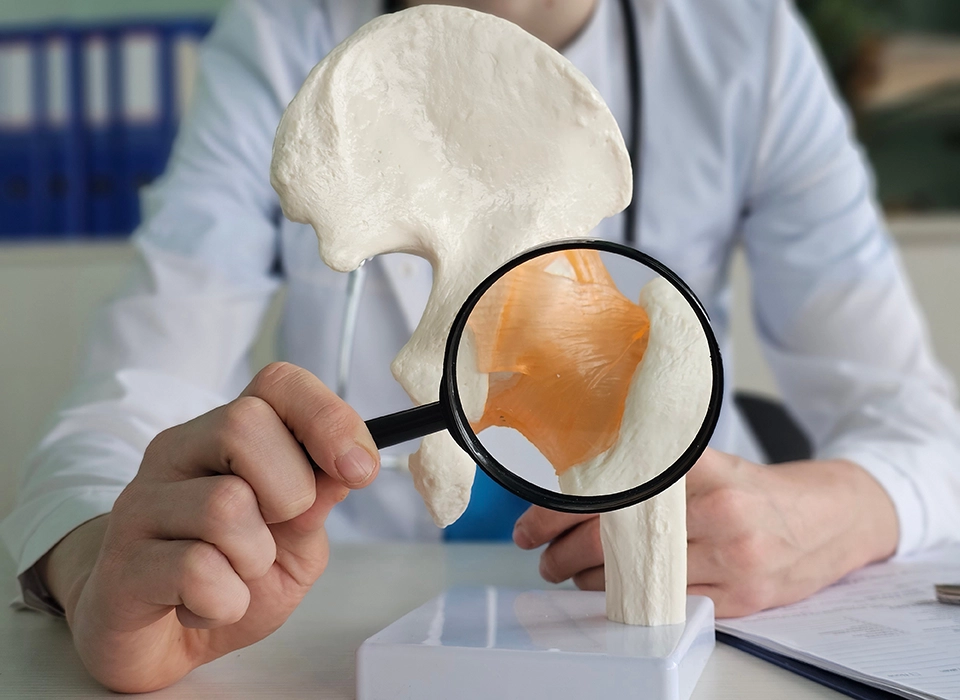
How Does a Doctor Find the Actual Source of Hip Pain?
When the painful area does not clearly identify where the problem begins, assessment helps narrow down the possible source. The doctor considers how the symptoms developed alongside findings from the physical examination before deciding whether further investigation is useful.
Understanding How the Symptoms Developed
The assessment usually begins with the history of the problem.
Questions may explore:
- whether symptoms began suddenly or developed gradually
- whether an injury or change in activity occurred beforehand
- how long the symptoms have been present
- whether there have been previous problems involving the hip, lower back or leg
Examining the Hip and Related Areas
The doctor may check how freely the hip moves, whether particular movements reproduce your pain and where there is tenderness. They may also examine the lower back or knee and check leg strength and sensation if nerve involvement is suspected. These findings help distinguish a problem within or around the hip from pain coming from elsewhere.
Deciding Whether Imaging Is Needed
Imaging can provide additional information when the history and examination suggest that it would help clarify the cause. It is not necessarily the starting point for every person with hip pain.
Depending on what the doctor is looking for, this may include:
- X-rays to assess the bones and joint
- MRI when more detail about soft tissues or structures inside the joint is needed
Find Out What Is Behind Your Persistent Hip Pain With Dr Alan Cheung
If pain keeps returning and you are unsure whether it comes from your hip, you do not need to identify the source before seeking care. A consultation can help assess whether the pain is coming from the hip itself or another related area.
At International Orthopaedic Clinic, patients can undergo assessment for hip and related musculoskeletal concerns. Dr Alan Cheung can assess the hip and related areas to help identify where the pain may be coming from and whether further investigation or treatment may be needed.
If hip pain is persistent or affecting movement, book an appointment with us to assess its possible source and discuss what may be contributing to your symptoms.
