

When Is Joint Replacement Necessary? Signs You Can't Ignore

Dr Alan Cheung
Senior Consultant Orthopaedic Surgeon in Singapore
MBBS (London), MRCS (England), FRCS (Trauma and Orthopaedics, England), Diploma in Sport and Exercise Medicine (UK), Fellow of the European Board of Orthopaedics and Traumatology, American Academy of Orthopaedic Surgeons (AAOS)

Living with chronic joint pain often starts as a minor inconvenience, but persistent wear can eventually turn every step into a physical struggle. When the simple activities you once enjoyed are replaced by a constant cycle of icing and rest, it becomes necessary to evaluate if a joint replacement is the most effective path forward.
However, before committing to a surgical solution, you must first identify exactly where your body's mechanical limits are failing. This involves recognising the specific red flags of joint failure early, ensuring you can reclaim an active lifestyle and prevent the long-term mobility loss that often results from delaying essential care.
The Threshold of Conservative Management
While physiotherapy and medication are often the first line of defence, they eventually reach a limit when chronic joint degradation becomes too advanced. You might find that exercises once helpful now cause more inflammation, or that daily painkillers are no longer enough to mask the underlying structural damage of a failing knee or hip.
You may also notice diminishing returns from corticosteroid or hyaluronic acid injections, which signal that your clinical window for preservation is closing. When these temporary treatments also fail, continuing to simply manage the pain instead of seeking a permanent restorative solution can lead to a significant loss of long-term mobility.
5 Key Indicators That Suggest a Joint Replacement Is Needed
Recognising when to move toward a surgical solution depends on identifying specific physical changes in how your body functions. When the following clinical signs persist, they often indicate that the internal structure of the joint has reached its functional limit:
- Persistent Nocturnal Pain: Chronic aching that keeps you awake or occurs while you are resting indicates advanced inflammation and bone-on-bone contact. This type of pain suggests that the joint is no longer able to recover, even during periods of inactivity.
- Severe Functional Limitation: Difficulty with basic activities of daily living, such as navigating stairs or putting on socks, is a sign of joint failure. When these movements require significant effort or assistance, the joint is no longer fulfilling its mechanical role.
- Mechanical Malalignment: Visible structural changes, such as bow-leggedness or knock-knees, signify that significant cartilage loss is shifting your skeletal alignment. These changes can lead to permanent gait issues and uneven wear on your remaining healthy tissue.
- Bone-on-Bone Crepitus: An audible grinding sensation or a feeling that the joint is locking during movement is a clinical sign of total joint space loss. This friction accelerates bone damage and indicates that the protective cushioning has been completely depleted.
- The Compensatory Injury Cycle: Favouring a painful joint often causes you to overload other parts of your body, leading to secondary strain in the spine or the opposite limb. This cycle can result in new injuries in previously healthy areas as they struggle to manage the extra weight.
Validating Symptoms with Diagnostic Precision
While your physical symptoms provide a strong indication of joint wear, diagnostic imaging is necessary to confirm the extent of the internal damage. This precision ensures that the recommendation for surgery is based on objective structural data rather than just pain levels alone.
- The Role of Weight-Bearing X-Rays: Unlike standard scans, weight-bearing X-rays measure the exact millimetres of remaining joint space while the limb is under load. This reveals the true extent of cartilage loss and helps identify if the joint has reached a bone-on-bone state.
- MRI for Soft Tissue Evaluation: High-resolution MRI scans allow for a detailed assessment of the surrounding ligaments, tendons, and meniscus. Ensuring these supporting structures are healthy is critical for determining if the joint is stable enough to support a successful recovery.
- Correlating Data with Patient Goals: Clinical findings are always balanced against your specific lifestyle requirements, such as a desire to return to competitive sports or high-impact hobbies. The final decision for joint replacement is made when the structural data aligns with your personal need for improved performance.
Managing the Surgical Window and Risks of Delay
Timing is critical when considering a joint replacement, as waiting too long can often be just as detrimental as undergoing surgery prematurely. Identifying the optimal surgical window ensures that your body is in the best possible condition to support a successful and rapid recovery.
- The Danger of Muscle Atrophy: Prolonged inactivity caused by chronic pain leads to the progressive weakening of the muscles that support your knee or hip. This loss of strength can significantly complicate your post-operative rehabilitation and delay your return to full mobility.
- Bone Density Considerations: Chronic underuse of a limb can lead to localised bone thinning, which may eventually affect how well a future implant integrates with your skeletal structure. Maintaining a baseline level of activity is essential for ensuring the long-term stability of the new joint.
- The Optimal Timing Philosophy: Performing surgery while you are still relatively fit and active generally leads to superior long-term clinical outcomes. Addressing the issue before total physical decline allows you to leverage your existing strength for a more efficient and effective healing process.
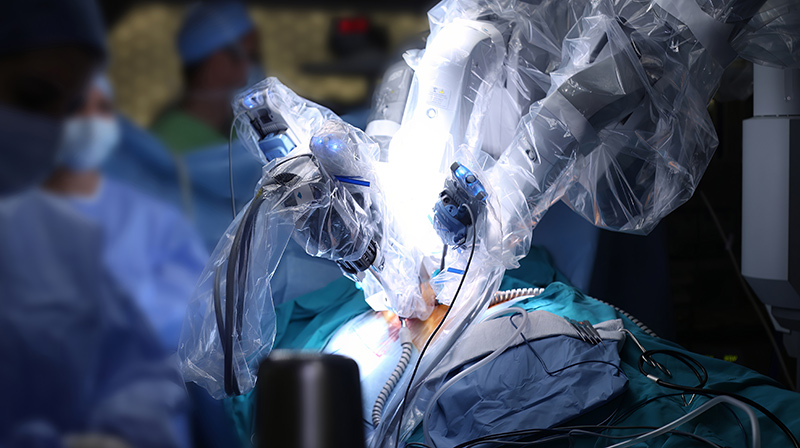
Modern Advancements: Robotic-Assisted Surgery
Modern technology has significantly redefined the precision of joint replacement, moving away from traditional manual methods toward highly accurate digital planning. These advancements allow for a customised surgical approach that is tailored to your specific anatomical structure.
- Precision in Implant Alignment: Robotic surgery allows for sub-millimetre accuracy, which is critical for achieving a natural feel in a new hip or knee. This level of detail ensures the implant mimics your original joint mechanics as closely as possible.
- Minimising Soft Tissue Trauma: High-tech navigation helps your surgeon preserve healthy bone and ligaments, often resulting in less post-operative pain and a smoother recovery. By focusing only on the damaged areas, the surrounding tissue remains intact to support your new joint.
- Suitability for Younger Patients: Increased accuracy significantly extends the potential lifespan of the joint, making it a viable option for active individuals in their 50s. This longevity allows younger patients to return to high-impact lifestyles without the immediate fear of a premature revision surgery.
Reclaiming Your Active Lifestyle with Dr Alan Cheung
Ultimately, the decision to undergo a joint replacement is a significant step toward reclaiming the active life that chronic pain has sidelined. By recognising the clinical signs of joint failure early and utilising modern diagnostic precision, you can transition from temporary relief to a permanent, high-performance solution.
At International Orthopaedic Clinic, our team is dedicated to providing comprehensive assessments that prioritise your long-term mobility and functional goals. Dr Alan Cheung and his surgical staff specialise in advanced robotic techniques designed to ensure your recovery is as efficient and effective as possible.
If you're experiencing persistent nocturnal pain or find that conservative treatments are no longer working, it may be time to seek a professional evaluation. Book an appointment with us today to discuss your options and take the first step toward a pain-free future.
Frequently Asked Questions (FAQs) About Joint Replacement
How long does a modern knee or hip replacement typically last?
Most modern joint replacements are expected to last between 20 and 25 years due to advancements in durable prosthetic materials. This lifespan is further enhanced by robotic-assisted techniques, which ensure precise implant alignment, reducing uneven wear and mechanical strain over time.
Is there an ideal age to undergo a joint replacement?
There is no fixed ideal age because clinical necessity is based on functional quality of life and biological health rather than a number on a calendar. For younger, active patients, the focus is on restoring high-level performance, while for older patients, the priority is maintaining independence and preventing the risks of a sedentary lifestyle.
What is the expected recovery timeline for returning to sports?
Patients can typically return to low-impact activities like swimming or cycling within 6 to 12 weeks, provided they have met specific physiotherapy milestones. Resuming moderate-intensity sports such as golf or brisk walking usually occurs between 3 and 6 months as strength and joint stability continue to improve under professional guidance.
