

BLOG

Why Does Knee Pain Keep Coming Back After Treatment?

Dr Alan Cheung

Dr Alan Cheung

Senior Consultant Orthopaedic Surgeon in Singapore

MBBS (London), MRCS (England), FRCS (Trauma and Orthopaedics, England), Diploma in Sport and Exercise Medicine (UK), Fellow of the European Board of Orthopaedics and Traumatology, American Academy of Orthopaedic Surgeons (AAOS)

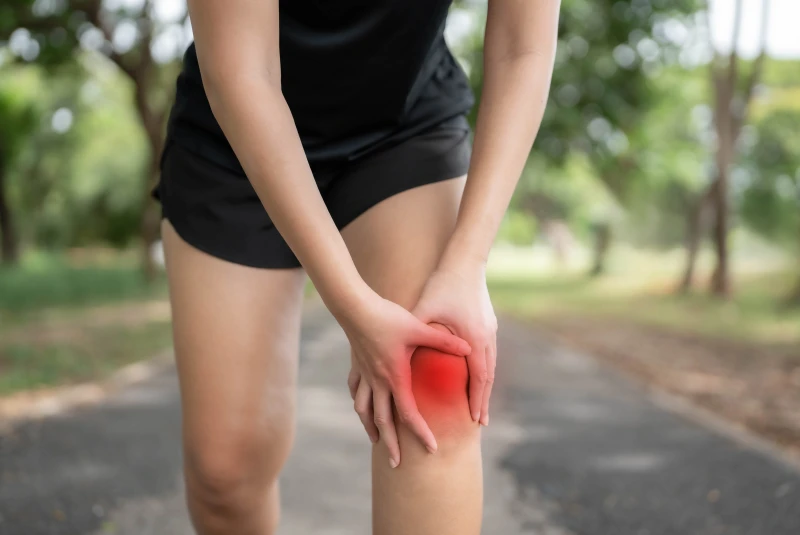
Female runner with knee pain.

It can be frustrating when knee pain returns after treatment, especially if your symptoms had initially improved. While recurring pain may feel like a sign that treatment has failed, this is not always the case. In many instances, it indicates that the underlying cause has not fully resolved, the knee has been placed under stress too soon or a separate issue is contributing to your symptoms.

Recurring knee pain should not be ignored, particularly if it begins affecting your mobility or daily activities. Understanding why your symptoms keep returning is the first step towards finding the most appropriate knee pain treatment and reducing the risk of future flare-ups.

What Are the Most Common Causes of Recurring Knee Pain?

Recurring knee pain is not a condition in itself but a clue that your knee may need to be reassessed. Effective knee pain treatment depends on identifying why the pain has returned rather than simply relieving the symptoms.

Some of the most common reasons knee pain returns include:

The original injury has not fully healed

Returning to normal activities too soon may place stress on healing tissues, causing symptoms to flare up again.

Progressive joint conditions

Conditions such as knee osteoarthritis may gradually worsen over time, even if earlier treatments initially relieved symptoms.

Muscle weakness or poor rehabilitation

Weak muscles around the knee can reduce joint support and increase stress on the affected area.

Biomechanical or alignment issues

Problems with the way you walk, move or distribute weight may place repeated strain on the knee, allowing pain to return.

A different underlying condition

Sometimes the original diagnosis does not fully explain the symptoms, or a new problem, such as a meniscus or ligament injury, has developed.

Because several conditions can cause similar symptoms, recurring knee pain should not automatically be assumed to have the same cause as before. Identifying the reason for the recurrence is key to choosing the most appropriate treatment.

Can You Manage Recurring Knee Pain at Home?

If your knee pain returns after treatment, it is reasonable to monitor mild symptoms for a short period, particularly if they were triggered by increased activity or overuse. However, home management should not replace a medical assessment if the pain is persistent, worsening or interfering with your daily activities.

Depending on the cause of your symptoms, you may find it helpful to:

  • Modify activities that aggravate your knee, rather than pushing through the pain.
  • Apply ice for 15 to 20 minutes at a time if your knee feels swollen or inflamed after activity.
  • Continue prescribed rehabilitation exercises, if recommended by your doctor or physiotherapist, to maintain strength and joint support.
  • Use pain relief or anti-inflammatory medication only as advised by your healthcare provider.
  • Monitor your symptoms, paying attention to whether the pain is improving, staying the same or becoming more frequent.

While these measures may help relieve mild flare-ups, they are unlikely to address the underlying cause if your knee pain continues to return. While these measures may help relieve mild flare-ups, they are unlikely to address the underlying cause if your symptoms continue to return or become more severe.

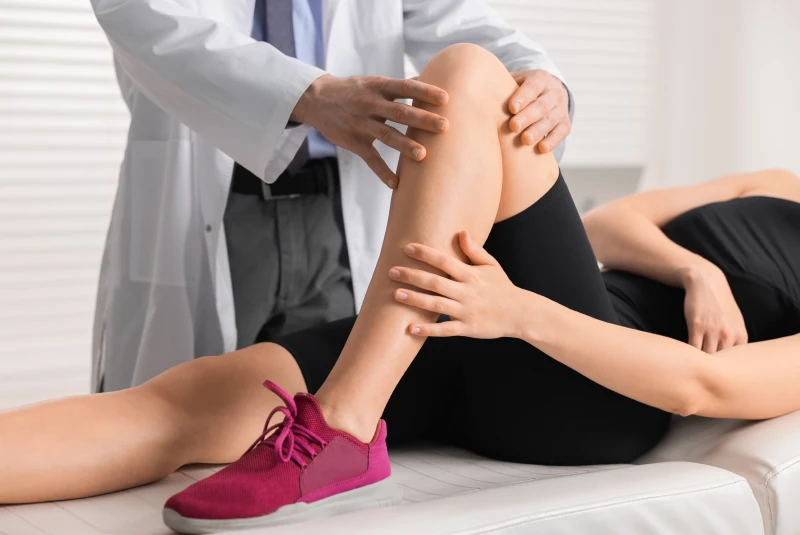
Specialist assessing a patient's knee.

When Should You See a Knee Specialist Again?

Not every recurrence of knee pain requires urgent medical attention. However, if your symptoms keep returning despite treatment or begin affecting your daily life, it is worth arranging a reassessment. A change in your symptoms may indicate that your condition has progressed or that your treatment plan needs to be reviewed.

You should consider seeing a knee specialist if you:

  • Continue experiencing knee pain despite completing your recommended treatment or rehabilitation.
  • Notice that your pain is becoming more frequent, more severe or lasting longer than before.
  • Develop new symptoms, such as swelling, locking, catching or a feeling that the knee may give way.
  • Find it difficult to walk, climb stairs or carry out your usual daily activities.
  • Are unable to return to work, exercise or hobbies because of ongoing knee pain.

Seeking assessment early allows your specialist to identify the cause of your recurring symptoms and recommend the most appropriate treatment before the condition worsens or begins affecting your long-term knee function.

What Are Orthopaedic Specialists Looking For?

When knee pain keeps returning, orthopaedic specialists do more than identify where it hurts. They look for the underlying reason your symptoms have returned and whether your current diagnosis and treatment plan still explain what you are experiencing.

During your assessment, your specialist may evaluate:

Your symptoms and medical history

Identifies how your pain has changed, whether previous treatment was effective and if new symptoms have developed.

How your knee moves and functions

Evaluates range of motion, joint stability, muscle strength and areas of tenderness.

Your walking pattern and biomechanics

Determines whether abnormal movement or weight distribution is placing repeated stress on the knee.

Signs of structural damage

Assesses for conditions affecting the cartilage, meniscus, ligaments, tendons or surrounding structures.

X-rays or other imaging, if required

Confirms the diagnosis, evaluates disease progression and helps guide further treatment where appropriate.

A thorough assessment allows your specialist to determine why your symptoms have returned and whether your current treatment plan should be modified. Depending on the findings, your specialist may recommend further rehabilitation, modify your current treatment plan or investigate other treatment options.

Get Lasting Relief from Knee Pain with Dr Alan Cheung

Recurring knee pain should not be accepted as a normal part of recovery. Identifying why your symptoms keep returning is the first step towards choosing the most appropriate treatment, whether that involves modifying your rehabilitation, addressing biomechanical issues or treating a different knee condition.

At International Orthopaedic Clinic, we provide comprehensive assessment and treatment for patients experiencing persistent or recurring knee pain. Led by Dr Alan Cheung, our team takes a thorough, evidence-based approach to identifying the underlying cause of your symptoms and recommending treatment that supports long-term knee function. Every treatment plan is tailored to your condition, lifestyle and recovery goals.

If knee pain continues to return despite treatment or is affecting your daily activities, arrange a consultation with us to discuss the cause of your symptoms and the treatment options available.

FAQs About Recurring Knee Pain

Not necessarily. Knee pain can return even after appropriate treatment if the underlying condition has progressed, the knee has not fully healed or another issue has developed. A reassessment can help determine whether your current treatment plan needs to be adjusted.

Our Orthopaedic Specialist in Singapore

Dr Alan Cheung

Senior Consultant Orthopaedic Surgeon

MBBS (London)
MRCS (Royal College of Surgeons of England)
FRCS (Trauma and Orthopaedics)
Diploma in Sport and Exercise Medicine
(Faculty of Sport and Exercise Medicine UK)

Dr Alan Cheung is a Senior Consultant Orthopaedic Surgeon with a keen focus on treating sports injuries, adult joint reconstruction and robotic surgery (Makoplasty, Navio & Robodoc). As an avid sportsperson who is actively involved in the sporting scene, Dr Cheung empathises deeply with the needs of athletes. As a trusted orthopaedic specialist, Dr Cheung has published in numerous peer-reviewed journals and has presented at various international conferences.

  • Fellowship in Joint Reconstruction & Musculoskeletal Oncology
  • Fellowship of the European Board of Orthopaedics & Traumatology
  • Asia Pacific Knee Arthroscopy and Sports Medicine Society
  • American Academy of Orthopaedic Surgeons (AAOS)
Our Clinics

Mt Elizabeth Novena #05-24, 38 Irrawaddy Road, Singapore 329563

View on Google Maps

Farrer Park Hospital Connexion, #08-20, 1 Farrer Park Station Road, Singapore 217562

View on Google Maps

Operating Hours

Monday to Friday : 9 am to 5pm
Saturday : 9 am to 1pm
Sunday & Public Holidays : Closed

Services
  • Sports Injuries
  • Orthopaedic Trauma
  • Knee
  • Hip
  • Shoulder
  • Foot And Ankle