


Dr Alan Cheung
Senior Consultant Orthopaedic Surgeon in Singapore
MBBS (London), MRCS (England), FRCS (Trauma and Orthopaedics, England), Diploma in Sport and Exercise Medicine (UK), Fellow of the European Board of Orthopaedics and Traumatology, American Academy of Orthopaedic Surgeons (AAOS)
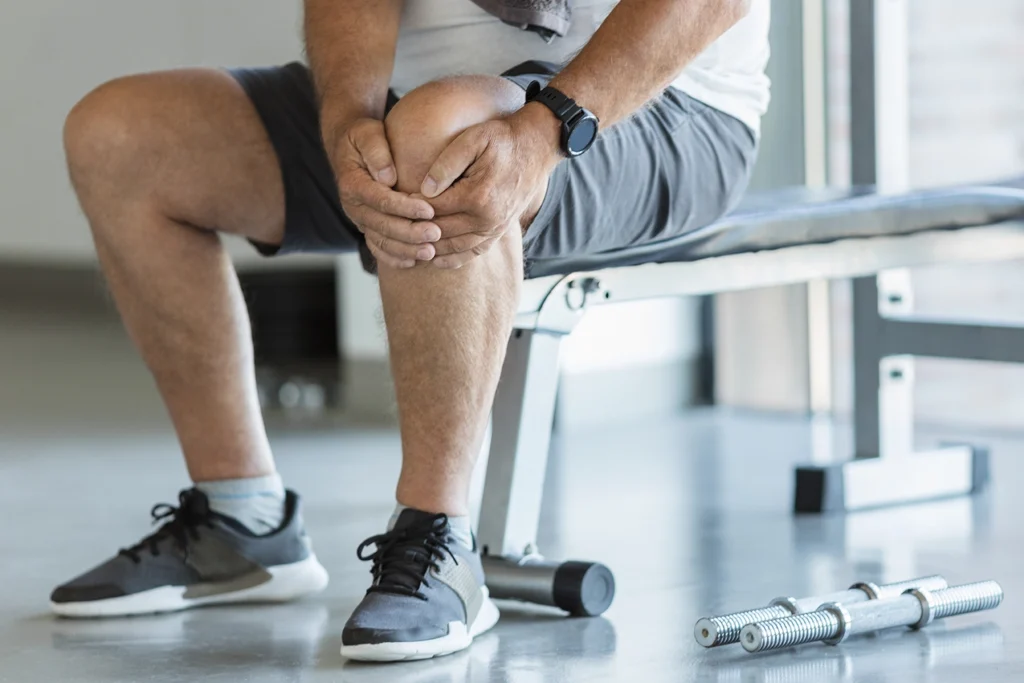
Pain is often the most noticeable sign of a sports injury, but where it hurts does not always reveal which structure has been injured or why symptoms are occurring. Referred pain, altered movement after injury and problems involving nearby joints or tissues can make the picture more complex.
A sports injury assessment therefore considers the history of the injury, physical examination findings and how the affected area functions. Depending on the injury, assessment may also include related joints, strength, movement patterns and imaging. Together, these findings help establish the diagnosis and guide treatment and return-to-sport planning.
Key Takeaways
- Pain does not always originate from the injured structure and may be referred from another part of the body.
- Depending on the injury, assessment may include joint stability, range of motion, strength, movement patterns and related areas of the body.
- A comprehensive assessment helps distinguish between different injuries that can present with similar symptoms.
- Identifying relevant contributing factors can help guide rehabilitation and return-to-sport planning.
- Early specialist assessment can improve diagnostic accuracy, guide appropriate treatment and support a safer return to sport.
Why Doesn’t the Location of Pain Always Reveal the True Sports Injury?
Pain is often the first symptom people notice after a sports injury, but it does not always identify the structure that has been injured. In many cases, discomfort can be felt away from the actual source of the problem or result from the body compensating for weakness or instability elsewhere. This is why a sports injury specialist looks beyond the painful area and performs a comprehensive assessment to determine the underlying cause before recommending treatment.
Referred Pain Can Mask the True Source
Not all pain originates where it is felt. Irritation of joints, muscles, tendons or nerves can produce referred pain that is experienced in a different area. For example, a hip condition may present as groin or knee pain, while a neck injury can cause pain that radiates into the shoulder or arm. Assessing only the painful area may overlook the underlying injury.
Compensatory Movement Can Create Secondary Pain
Following an injury, the body often adapts to reduce discomfort by changing the way it moves. While these compensatory movement patterns may temporarily protect the injured area, they can place additional strain on surrounding muscles and joints. These altered movement patterns can sometimes place additional stress on other muscles or joints, creating symptoms away from the original injury.
Different Injuries Can Cause Similar Symptoms
Many sports injuries share common symptoms such as pain, swelling, stiffness or weakness. For instance, shoulder pain may result from a rotator cuff injury, labral tear, joint instability or referred pain from the neck. Likewise, knee pain may arise from ligament injuries, meniscus tears, tendon problems or overuse conditions. A detailed clinical examination helps distinguish between these possibilities and guides appropriate management.
Other Areas May Contribute to Symptoms or Function
Movement at one part of the body can influence how another area functions during sport. Depending on the injury and activity, a specialist may therefore assess nearby joints, strength, mobility and movement control rather than examining the painful area alone. These findings can identify factors that may be relevant to symptoms, rehabilitation or sporting demands.
What Does a Sports Injury Specialist Assess Beyond the Pain?
A sports injury specialist evaluates more than the location and severity of pain. The assessment focuses on how the injured area functions, how the body moves as a whole and whether underlying factors contributed to the injury. This comprehensive approach helps establish an accurate diagnosis and guides an appropriate treatment plan.
Movement and Biomechanics
Where relevant, the specialist may assess walking, running, jumping or sport-specific movements to understand how the injured area functions under different demands.
Joint Stability and Range of Motion
The affected joint is examined for stability, flexibility and mobility. Restricted or excessive movement, together with findings from stability tests, can provide clues about injuries affecting structures such as ligaments, cartilage or the joint itself.
Muscle Strength and Balance
Strength testing can identify weakness or compensation between muscle groups that may affect function and inform rehabilitation.
Imaging When Appropriate
If the clinical assessment suggests a more complex injury, imaging such as X-rays, ultrasound or MRI may be recommended to confirm the diagnosis and support treatment planning.
How Does a Comprehensive Sports Injury Assessment Guide Treatment and Recovery?
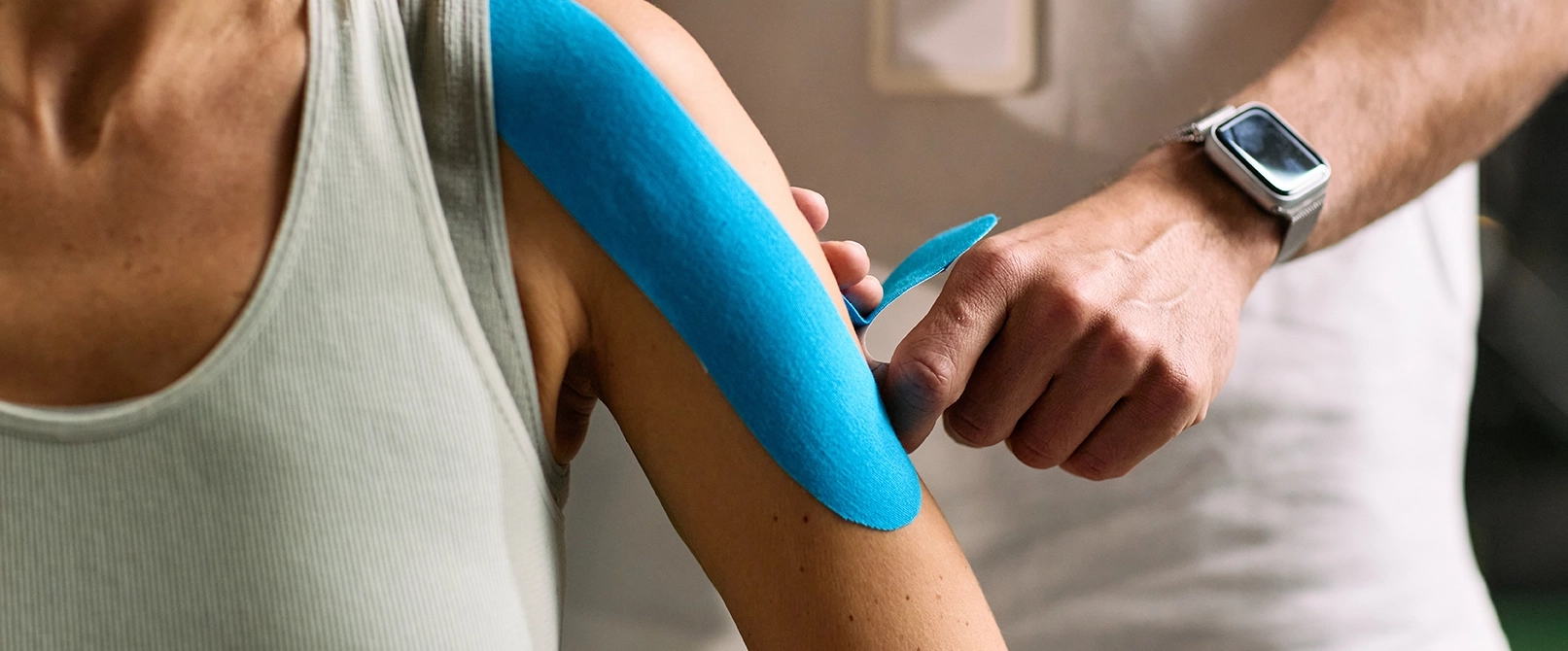
An accurate diagnosis is the foundation of effective sports injury management. By identifying the injured structures, contributing factors and functional limitations, a sports injury specialist can develop a treatment plan that addresses both the symptoms and their underlying cause, supporting a safer return to activity.
Personalising Your Treatment Plan
Treatment is tailored to the type and severity of the injury, your sporting goals, activity level and overall health. Depending on the diagnosis, this may include activity modification, physiotherapy, medication, injections or surgery where appropriate.
Addressing Relevant Contributing Factors
Rehabilitation may also address strength, mobility, movement control or sport-specific demands identified during assessment. The factors targeted will depend on the injury, the individual and the activities they are aiming to return to.
Monitoring Recovery and Return to Sport
Progress is assessed throughout rehabilitation to ensure strength, mobility and function are improving as expected. Return-to-sport decisions are based on clinical recovery and functional performance rather than pain relief alone, helping minimise the risk of reinjury.
Knowing When Specialist Intervention Is Needed
While many sports injuries respond well to conservative treatment, some require further investigation or surgical management. Specialist assessment can help identify injuries that require further investigation or timely intervention and guide the appropriate next steps.
Receive a Comprehensive Sports Injury Assessment with Dr Alan Cheung
Sports injuries are not always as straightforward as they appear. While pain often draws attention to a specific area, the underlying cause may involve movement patterns, muscle imbalances, joint instability or biomechanical factors elsewhere in the body. A comprehensive assessment helps identify these contributing issues, allowing treatment to target the root cause rather than simply relieving symptoms.
At International Orthopaedic Clinic, we provide a structured pathway from accurate diagnosis to personalised recovery. Dr Alan Cheung helps patients navigate treatment options with clarity, from conservative therapy to advanced interventional care. If you are experiencing persistent pain, instability or limited movement, book an appointment with us and reclaim your mobility today.
