Dr Alan Cheung
Senior Consultant Orthopaedic Surgeon in Singapore
MBBS (London), MRCS (England), FRCS (Trauma and Orthopaedics, England), Diploma in Sport and Exercise Medicine (UK), Fellow of the European Board of Orthopaedics and Traumatology, American Academy of Orthopaedic Surgeons (AAOS)
Whether you're a recreational runner, weekend athlete or competitive sportsperson, injuries can interrupt training, affect performance and impact your quality of life. However, not all sports injuries develop in the same way. Some happen suddenly during a specific incident, while others develop gradually through repeated stress on the body.
Understanding whether an injury is acute or caused by overuse can help you recognise symptoms early, seek appropriate treatment and potentially shorten recovery time. Knowing when to consult a sports injury specialist is also essential for preventing further damage and supporting a safe return to activity.
Key Takeaways
- Sports injuries can occur suddenly or develop gradually over time.
- Acute and overuse injuries often differ in their causes, symptoms and treatment approaches.
- Recognising the early signs of a sports injury may help prevent further complications.
- Accurate diagnosis is important for effective treatment and recovery.
- Professional assessment can support a safe return to sport and physical activity.
Understanding Acute and Overuse Sports Injuries
Sports injuries are generally classified into two categories: acute injuries and overuse injuries.
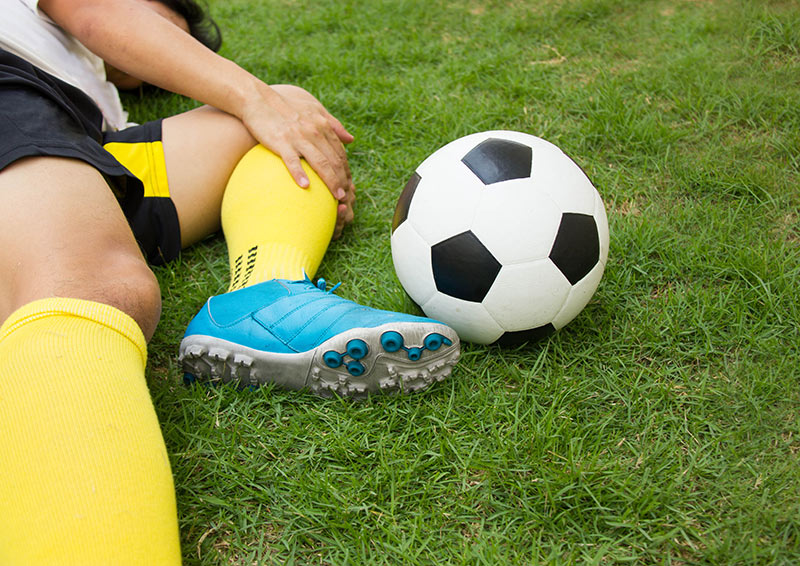
An acute sports injury occurs suddenly as the result of a specific event or trauma. These injuries often happen during exercise, training sessions or sporting competitions. Common examples include ankle sprains, anterior cruciate ligament (ACL) tears, muscle strains, fractures and shoulder dislocations.
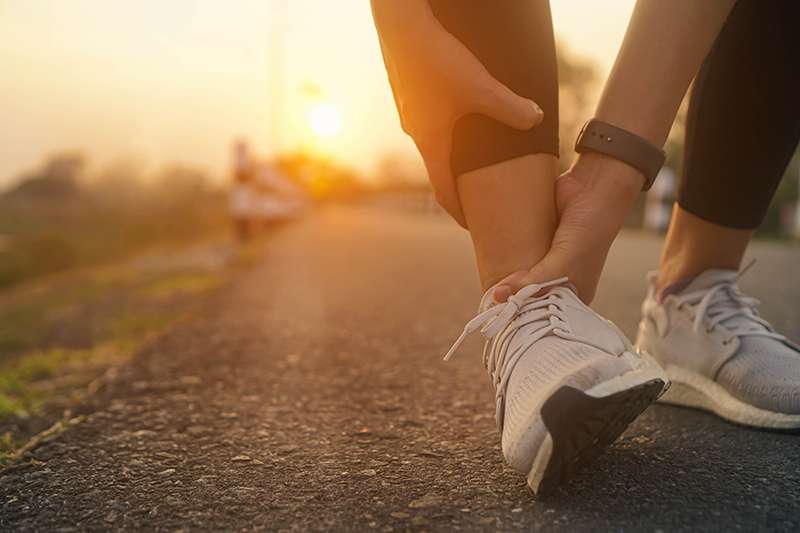
In contrast, an overuse sports injury develops gradually over time due to repetitive stress placed on muscles, tendons, bones or joints. Rather than being linked to a single incident, these injuries occur when the body is unable to recover adequately between periods of activity. Examples include tennis elbow, Achilles tendinopathy, shin splints and runner's knee (patellofemoral pain syndrome).
While both types of sports injuries can affect mobility and athletic performance, they differ significantly in how they develop, present and are managed.
What Causes Acute and Overuse Sports Injuries?
Although acute and overuse sports injuries affect the musculoskeletal system, they develop through different mechanisms. Acute injuries occur suddenly following a specific event, while overuse injuries develop gradually as repeated stress exceeds the body's ability to recover adequately. Understanding these differences can help you identify potential risk factors and take appropriate steps to reduce your likelihood of injury.
Acute Sports Injuries
Acute injuries are typically caused by a sudden force that exceeds the body's normal capacity. This may occur during a fall, collision, awkward landing or rapid change in direction. Contact sports such as football, rugby and basketball often carry a higher risk of acute injuries, although they can happen in virtually any physical activity.
Common factors that contribute to acute injuries include:
- Poor technique or movement patterns
- Inadequate warm-ups
- Muscle weakness or instability
- Fatigue during activity
- Accidental impacts or falls
Overuse Sports Injuries
Overuse injuries develop differently. They result from repeated microtrauma to tissues over weeks, months or even years. While a single movement may not cause noticeable damage, the cumulative stress can eventually lead to pain and dysfunction.
Factors associated with overuse sports injuries include:
- Sudden increases in training intensity or volume
- Insufficient recovery between workouts
- Poor biomechanics
- Inappropriate footwear or equipment
- Muscle imbalances and flexibility limitations
Because symptoms develop gradually, many athletes continue training despite discomfort, which may increase the risk of more significant injury over time.
How Do Symptoms Differ Between Acute and Overuse Sports Injuries?
One of the most noticeable differences between acute and overuse injuries is how symptoms appear.
Signs of an Acute Sports Injury
Acute injuries usually cause immediate symptoms following the incident. Many patients can identify the exact moment the injury occurred.
Common symptoms include:
- Sudden pain
- Swelling
- Bruising
- Joint instability
- Difficulty bearing weight
- Reduced range of motion
For example, someone who twists their ankle during a football match may experience immediate pain and swelling that prevents them from continuing to play.
Signs of an Overuse Sports Injury
Overuse injuries tend to present more subtly. Symptoms often begin as mild discomfort that develops during or after activity. Initially, the pain may disappear with rest, causing individuals to dismiss the issue. Over time, however, symptoms can become more frequent and severe.
Common symptoms include:
- Gradually worsening pain
- Stiffness before or after exercise
- Tenderness in a specific area
- Reduced athletic performance
- Persistent discomfort during daily activities
Because these symptoms emerge slowly, overuse injuries can be more difficult to recognise in their early stages. Delaying assessment may allow the condition to worsen and prolong recovery.
How Are Acute and Overuse Sports Injuries Treated?
Although the goals of treatment are similar, relieving pain, restoring function and enabling a safe return to activity, the approach differs depending on whether the injury occurred suddenly or developed gradually over time. Treatment is guided by the type, severity and location of the injury, as well as your activity level and recovery goals.
Treatment for Acute Sports Injuries
Early treatment for acute injuries focuses on protecting the injured area, reducing pain and inflammation and determining the extent of damage. Depending on the diagnosis, management may include activity modification, bracing, physiotherapy or, in some cases, surgery.
Accurate diagnosis is particularly important because certain injuries, such as ligament ruptures, tendon tears or fractures, may require more specialised treatment to support recovery and restore function.
Treatment for Overuse Sports Injuries
Overuse injuries are typically managed by addressing both the symptoms and the underlying causes. Simply resting until the pain subsides may not be sufficient if the underlying cause remains unchanged.
Treatment commonly involves:
- Temporary modification of training activities
- Physiotherapy and rehabilitation exercises
- Strengthening and conditioning programmes
- Biomechanical assessment
- Technique correction
- Gradual return-to-sport planning
When Should You Seek Professional Assessment for a Sports Injury?
While some minor injuries may improve with rest and self-care, professional assessment may be beneficial if symptoms persist or significantly affect your ability to participate in sport or daily activities.
You should consider seeing a sports injury specialist if you experience:
- Severe pain or swelling after an injury
- Difficulty bearing weight
- Persistent pain that does not improve with rest
- Recurrent injuries affecting the same area
- Reduced performance due to ongoing symptoms
- Difficulty returning to sport after an injury
Early assessment can help identify the cause of your symptoms, guide appropriate treatment and reduce the risk of long-term complications.
At International Orthopaedic Clinic, our team of orthopaedic and sports injury specialists manages a wide range of sports-related injuries and musculoskeletal conditions. As an orthopaedic surgeon with an interest in sports injuries and an active athlete, Dr Alan Cheung understands the challenges that injuries can present during training, competition and recovery. If you are experiencing persistent pain, recurrent injuries or difficulty returning to sport, schedule a consultation with us to discuss your symptoms and explore appropriate treatment and rehabilitation options.
FAQs About Acute and Overuse Sports Injuries
Do overuse injuries only affect professional athletes?
No. Overuse injuries can affect anyone who participates in physical activity, including recreational runners, gym-goers and individuals who have recently increased their exercise levels. Training habits and recovery practices often play a larger role than athletic ability.
Can children and teenagers develop overuse sports injuries?
Yes. Young athletes who participate in repetitive training or specialise in a single sport from an early age can be at risk of overuse injuries. Growth-related conditions can also affect developing bones and joints, making proper training loads and recovery especially important.
Can I continue exercising if I have a sports injury?
This depends on the nature and severity of the injury. In some cases, modified activity may be appropriate, while continuing to exercise through pain could worsen the condition. A sports injury specialist can advise on safe activity levels during recovery.
Can previous sports injuries increase my risk of future injuries?
Yes. Returning to sport before full recovery or failing to address underlying movement issues can increase the likelihood of reinjury. Comprehensive rehabilitation is often essential for reducing future injury risk.