

BLOG

How Arthroscopic Labrum Repair Can Help Improve Shoulder Stability

Dr Alan Cheung

Dr Alan Cheung

Senior Consultant Orthopaedic Surgeon in Singapore

MBBS (London), MRCS (England), FRCS (Trauma and Orthopaedics, England), Diploma in Sport and Exercise Medicine (UK), Fellow of the European Board of Orthopaedics and Traumatology, American Academy of Orthopaedic Surgeons (AAOS)

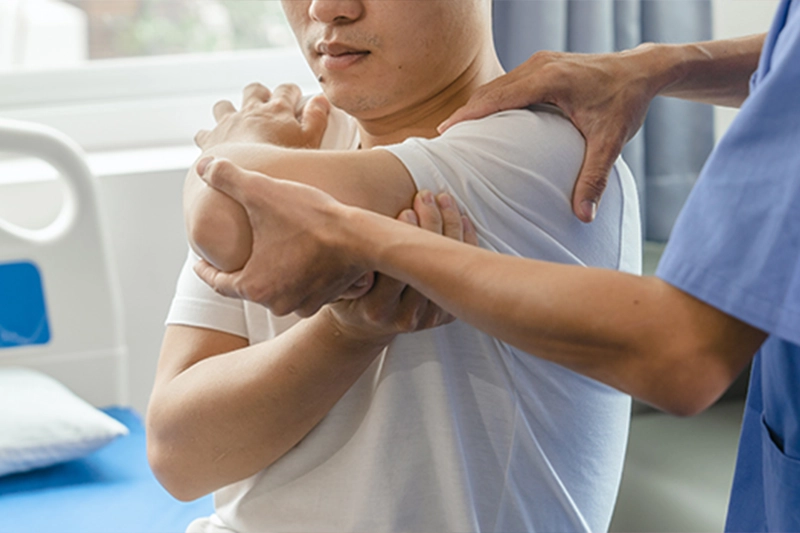
Health professional assisting athlete to complete rehabilitation of the shoulder

Shoulder instability occurs when the shoulder joint repeatedly slips out of place or feels loose during movement. This can happen after a traumatic injury, repetitive overhead activities or as a result of structural issues within the joint. In many cases, instability is linked to a torn labrum, a ring of cartilage that helps keep the ball of the shoulder securely positioned within the socket.

Advances in orthopaedic techniques have made it possible to treat many labral injuries through minimally invasive arthroscopic procedures. Also known as keyhole surgery, arthroscopic labrum repair offers several advantages over traditional open surgery, including reduced tissue disruption, less post-operative discomfort and a smoother recovery experience.

What Is Arthroscopic Labrum Repair for Shoulder Instability?

Arthroscopic shoulder labrum surgery is a minimally invasive procedure used to repair a torn or damaged labrum in patients with recurrent dislocations or instability of the shoulder joint. During the procedure, a surgeon makes several small incisions around the shoulder and inserts a tiny camera known as an arthroscope. This provides a clear view of the joint and allows specialised instruments to be used to repair the labrum. The procedure typically takes between one and two hours, depending on the complexity of the repair and whether additional procedures are required.

The labrum plays an important role in stabilising the shoulder joint. When it becomes torn, the shoulder may feel weak, unstable or prone to repeated dislocations. Labral tears commonly occur following a traumatic shoulder dislocation, although they can also develop from repetitive overhead movements or sports-related injuries. While some mild cases can be managed with physiotherapy and activity modification, persistent instability may require surgery to restore normal function and reduce the risk of further injury.

How Keyhole Surgery May Reduce Post-Operative Pain

One of the most significant benefits of arthroscopic labrum repair is its potential to reduce post-operative pain compared to traditional open procedures.

In open surgery, larger incisions are typically required to access the shoulder joint. This may involve greater disruption of muscles, tendons and soft tissues, which can contribute to increased discomfort during the recovery period.

By contrast, arthroscopic surgery uses small incisions and specialised instruments to perform the repair with greater precision. Because less healthy tissue is disturbed during the procedure, patients often experience less inflammation and swelling after surgery. Reduced tissue trauma may also help minimise pain in the early stages of recovery.

While every patient's experience is different, many find that shoulder labrum surgery allows for a more comfortable post-operative period. This can make it easier to begin rehabilitation exercises and gradually regain shoulder mobility under the guidance of a healthcare professional.

What Are the Benefits of Arthroscopic Labrum Repair?

Beyond potentially reducing post-operative pain, arthroscopic labrum repair offers several other advantages for patients.

Smaller Scars

Because the procedure is performed through small incisions, arthroscopic surgery generally results in smaller and less noticeable scars compared to traditional open surgery.

Reduced Risk of Complications

Smaller surgical wounds may be associated with a lower risk of certain wound-related complications and can help preserve healthy tissues surrounding the shoulder joint.

Improved Surgical Visualisation

The arthroscope provides high-definition images of the inside of the shoulder. This allows surgeons to carefully assess the extent of the injury and perform precise repairs in areas that may be difficult to access through open techniques.

Faster Return to Daily Activities

Although recovery timelines vary between patients, the reduced tissue disruption associated with arthroscopic surgery may support a quicker return to everyday activities when combined with an appropriate rehabilitation programme.

Effective Restoration of Stability

The primary goal of shoulder labrum surgery is to restore stability to the shoulder joint. By repairing the damaged labrum and addressing the underlying cause of instability, arthroscopic surgery can help reduce the likelihood of recurrent dislocations and improve overall shoulder function.

What to Expect During Recovery After Arthroscopic Labrum Repair

Recovery following arthroscopic labrum repair is a gradual process that involves protecting the repair, restoring shoulder movement and rebuilding strength over time.

Immediately after surgery, patients will typically wear a sling to protect the repaired shoulder and allow the tissues to heal. Mild discomfort, swelling and stiffness are common during the initial recovery period and can usually be managed with prescribed medications and post-operative care instructions.

Physiotherapy plays a crucial role in recovery. A structured rehabilitation programme helps restore range of motion, strengthen the surrounding muscles and improve shoulder stability over time. Patients are generally encouraged to progress through rehabilitation in stages to avoid placing excessive stress on the healing labrum.

The timeline for returning to work, sports and other activities depends on factors such as the severity of the injury, the type of repair performed and individual healing rates. While recovery timelines vary, many patients are able to resume desk-based work within a few weeks, whereas returning to sports and physically demanding activities may take several months.

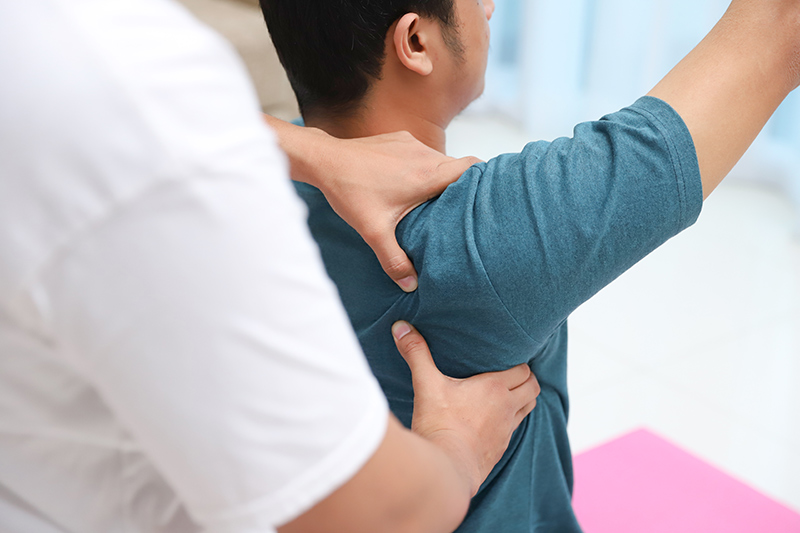
Medical professional assisting a patient with shoulder rehabilitation exercise.

Regain Shoulder Stability with Dr Alan Cheung

Shoulder instability can significantly affect daily life, limiting movement and increasing the risk of recurrent dislocations. Modern arthroscopic shoulder labrum surgery offers a minimally invasive solution that can restore stability while reducing tissue disruption and potentially minimising post-operative pain. With benefits such as smaller incisions, reduced post-operative discomfort and a structured rehabilitation process, this keyhole procedure has become a commonly used treatment option for many patients requiring surgery for shoulder instability.

At International Orthopaedic Clinic, patients can receive comprehensive assessment and treatment for recurrent shoulder dislocations, labral tears and other causes of shoulder instability. Dr Alan Cheung carefully evaluates the severity of the injury, activity level and recovery goals of each patient to develop personalised treatment plans aimed at restoring shoulder function and supporting long-term joint stability.

If you are experiencing symptoms of shoulder instability, recurrent shoulder dislocations or persistent discomfort that is affecting your quality of life, professional assessment is essential. Schedule an appointment with us today to discuss your symptoms, learn more about arthroscopic labrum repair and receive expert guidance on the most suitable treatment options for your recovery goals.

FAQs About Keyhole Surgery for Shoulder Instability

What happens if a labral tear is left untreated?

A labral tear associated with shoulder instability may increase the risk of recurrent dislocations, ongoing discomfort and further damage to the joint over time. Early assessment can help determine the most appropriate treatment approach.

Can both shoulders be treated with arthroscopic surgery?

Yes. Arthroscopic techniques can be used to treat instability and labral tears in either shoulder. However, surgery is usually performed on one shoulder at a time to allow for a safer and more manageable recovery.

How long does recovery take after arthroscopic labrum repair?

Recovery timelines vary depending on the severity of the injury, the type of repair performed and individual healing rates. While many patients can resume light daily activities within a few weeks, returning to sports and other high-demand activities may take several months. Your surgeon and physiotherapist will provide guidance based on your progress.

Does age affect the success of shoulder instability surgery?

Arthroscopic labrum repair can be successful across a wide range of age groups. However, factors such as activity level, tissue quality, overall health and the nature of the injury may influence outcomes.

Meet Our Shoulder Instability Specialist in Singapore

Dr Alan Cheung

Senior Consultant Orthopaedic Surgeon

MBBS (London)
MRCS (Royal College of Surgeons of England)
FRCS (Trauma and Orthopaedics)
Diploma in Sport and Exercise Medicine
(Faculty of Sport and Exercise Medicine UK)

Dr Alan Cheung is a Senior Consultant Orthopaedic Surgeon with a keen focus on treating sports injuries, adult joint reconstruction and robotic surgery (Makoplasty, Navio & Robodoc). As an avid sportsperson who is actively involved in the sporting scene, Dr Cheung empathises deeply with the needs of athletes. As a trusted orthopaedic specialist, Dr Cheung has published in numerous peer-reviewed journals and has presented at various international conferences.

  • Fellowship in Joint Reconstruction & Musculoskeletal Oncology
  • Fellowship of the European Board of Orthopaedics & Traumatology
  • Asia Pacific Knee Arthroscopy and Sports Medicine Society
  • American Academy of Orthopaedic Surgeons (AAOS)
Our Clinics

Mt Elizabeth Novena #05-24, 38 Irrawaddy Road, Singapore 329563

View on Google Maps

Farrer Park Hospital Connexion, #08-20, 1 Farrer Park Station Road, Singapore 217562

View on Google Maps

Operating Hours

Monday to Friday : 9 am to 5pm
Saturday : 9 am to 1pm
Sunday & Public Holidays : Closed

Services
  • Sports Injuries
  • Orthopaedic Trauma
  • Knee
  • Hip
  • Shoulder
  • Foot And Ankle