


Medically Reviewed by: Dr Alan Cheung
Senior Consultant Orthopaedic Surgeon in Singapore
MBBS (London), MRCS (England), FRCS (Trauma and Orthopaedics, England), Diploma in Sport and Exercise Medicine (UK), Fellow of the European Board of Orthopaedics and Traumatology, American Academy of Orthopaedic Surgeons (AAOS)
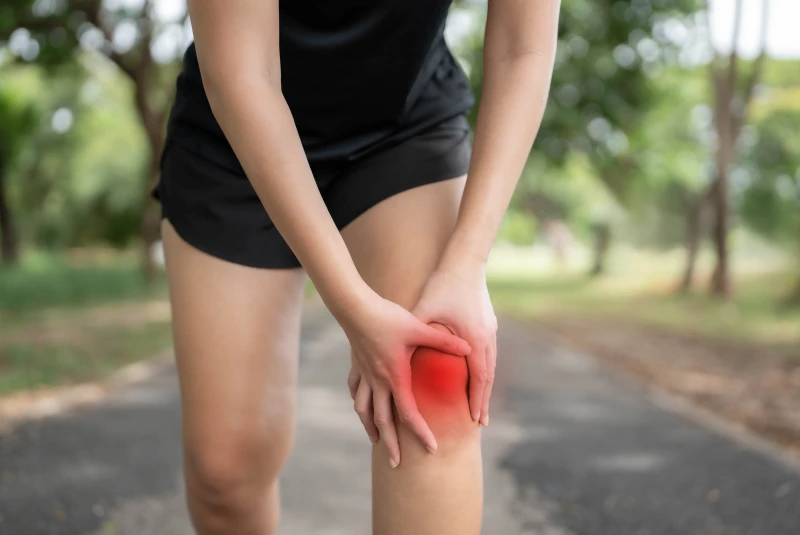
Knee pain that returns after treatment does not always mean the treatment failed. More often, the underlying condition needs long-term management, the knee was loaded too quickly before it had fully recovered, or a new problem has developed. Recurring pain is still worth taking seriously, especially if it is getting more frequent or affecting daily life. Understanding why it has come back is the first step towards the right knee pain treatment.
Key Takeaways
- Returning knee pain does not automatically mean earlier treatment failed.
- Long-term conditions such as knee arthritis can flare up again even when well controlled.
- Pain often returns when activity increases faster than the knee can handle.
- More frequent pain, or new symptoms such as swelling, locking, or giving way, are reasons to have the knee reassessed.
Why Can Knee Pain Return Even If Treatment Worked?
Whether returning pain is a setback depends partly on what the original treatment was meant to achieve.
Some Conditions Need Long-Term Management
Acute injuries often settle once the tissues heal. Long-term conditions such as knee osteoarthritis are different. Treatment can reduce pain and stiffness and help keep you mobile, but it does not reverse the changes in the joint. Pain returning after a good spell does not necessarily mean the earlier treatment did not work.
Flare-Ups Can Happen Without a New Injury
Long-term knee conditions can flare from time to time. Changes in irritation or inflammation in the joint can temporarily increase pain, stiffness or swelling, sometimes with no obvious trigger.
Pain Relief Often Comes Before Full Recovery
After an injury or operation, pain and swelling usually settle before strength and the knee’s tolerance for activity fully return. Feeling less pain is not the end of recovery. If rehabilitation stops when the pain goes, the knee may not be ready for more demanding activity.
Common Causes of Recurring Knee Pain
| Cause | How it contributes |
|---|---|
| The original injury has not fully healed | Returning to normal or demanding activities too soon stresses healing tissues and causes a flare-up. |
| A long-term joint condition | Conditions such as knee osteoarthritis can gradually progress, even if earlier treatment relieved symptoms. |
| Muscle weakness or incomplete rehabilitation | Weak muscles around the knee give less support and change how the joint handles force. |
| Biomechanical or alignment problems | The way you walk, move, or carry weight can put repeated strain on the knee. |
| A new injury | A twist, awkward landing, or fall can tear the meniscus or injure a ligament, causing a different problem. |
| Pain coming from elsewhere | Pain felt in the knee can sometimes come from the hip or lower back. |
Because several conditions cause similar symptoms, returning knee pain should not be assumed to have the same cause as before.
What Can Trigger Knee Pain to Return?
What happened just before the pain came back is often a useful clue.
Doing Too Much Too Soon
After an injury, surgery, or a break from exercise, the knee is used to lower loads. Jumping straight back to your previous training level, rather than building up gradually, can bring the pain back. This does not mean you should avoid activity, but the pace of progression may need adjusting.
Weaker or Less Coordinated Muscles
After time out, the muscles around the knee may not support movement as well as before. Activities that used to feel fine can then put more stress on the knee.
Changes in Footwear or Training Surface
New shoes, harder or uneven surfaces, and other changes to running conditions alter how the knee is loaded, particularly when combined with more training.
A New Injury
A meniscus tear often causes locking or catching, while a ligament injury may cause instability or giving way. If the pattern of symptoms has changed, the pain should be assessed as a possible new problem, not just a return of the old one.
Can You Manage Recurring Knee Pain at Home?
A mild flare-up after more activity than usual can be monitored for a short time. Home care should not replace an assessment if the pain is persistent, worsening, or affecting daily life.
- Adjust activities that aggravate the knee rather than pushing through the pain.
- Apply ice for 15 to 20 minutes at a time if the knee is swollen after activity.
- Keep doing your rehabilitation exercises if your doctor or physiotherapist prescribed them.
- Use pain relief or anti-inflammatory medication only as advised.
- Track your symptoms: is the pain improving, staying the same, or becoming more frequent?
These steps can ease a mild flare-up, but they are unlikely to fix the cause if the pain keeps coming back.
When Should Returning Knee Pain Be Reassessed?
A familiar flare-up that settles is different from pain that is getting worse or behaving differently. See a knee specialist if:
The Pain Keeps Returning or Is Getting More Frequent
Episodes come more often, take longer to settle, or start after less activity than before. You may also notice you are avoiding stairs or cutting exercise short.
New Symptoms Appear
- persistent or increasing swelling
- locking or catching
- the knee feeling unstable or giving way
- marked loss of movement
- difficulty bearing weight after a new injury
These suggest the current episode may not simply be a repeat of the previous one.
Previous Treatment No Longer Helps as Much
A treatment plan is based on the findings at the time. If your symptoms or circumstances have changed, repeating the same approach may not give the same result.
Pain Is Limiting Work, Exercise, or Daily Activities
You cannot walk comfortably, climb stairs, or return to work, exercise, or hobbies.
What Does a Specialist Look For?
The aim is to find out why the pain has returned and whether the original diagnosis and treatment plan still fit.
| What is assessed | Why it matters |
|---|---|
| Your symptoms and history | Shows how the pain has changed, how well earlier treatment worked, and whether there are new symptoms |
| How the knee moves | Checks range of motion, stability, muscle strength, and tender areas |
| Walking pattern and biomechanics | Shows whether the way you move is putting repeated stress on the knee |
| Signs of structural damage | Looks for problems with the cartilage, meniscus, ligaments or tendons |
| The hip and lower back | Rules out pain coming from elsewhere |
| X-rays or MRI, if needed | Confirms the diagnosis or shows progression. Not every recurrence needs a scan |
Depending on the findings, the specialist may recommend more targeted rehabilitation, a change in treatment, or further options. If a long-term condition has progressed significantly, joint replacement may eventually be discussed.
Have Your Knee Pain Reassessed
Knee pain that returns does not necessarily mean earlier progress has been lost. What matters is whether this episode follows the old pattern or whether something has changed.
Book an appointment with Dr Alan Cheung, Senior Consultant Orthopaedic Surgeon, whose practice includes sports injuries and adult joint reconstruction. Call 6253 7111. We see patients at Mount Elizabeth Novena Specialist Centre and Farrer Park Medical Centre (Connexion).
FAQs
Does recurring knee pain mean my previous treatment failed? Not necessarily. Pain can return after appropriate treatment if a long-term condition has progressed, the knee has not fully recovered, or a new problem has developed. A reassessment shows whether the treatment plan needs adjusting.
Can I keep exercising if my knee pain comes back? It depends on the cause and severity. Low-impact activity may still be suitable, but avoid movements that clearly worsen the pain. If pain keeps returning during exercise, get advice before continuing your usual routine.
Will I need surgery if my knee pain keeps returning? Not always. Many causes are managed with physiotherapy, activity changes, medication, or injections. Surgery is usually considered only when these stop working, or there is a structural problem that needs repair.
Can knee pain return months or years after an old injury? Yes. An old injury to a ligament, meniscus, or cartilage can remain relevant long after it settled. But it may not be the only cause, so the current symptoms still need assessing on their own terms.
Could my knee pain actually be coming from my hip or back? Sometimes. Pain felt around the knee can be referred from the hip or lower back, especially if you also have symptoms there or in the leg. An assessment can check whether the knee is the real source.
How can I reduce the risk of knee pain coming back? Complete your rehabilitation, keep the muscles around the knee strong, build up activity gradually, and address any alignment or joint problems. Your specialist can suggest strategies based on the cause.
