


Dr Alan Cheung
Senior Consultant Orthopaedic Surgeon in Singapore
MBBS (London), MRCS (England), FRCS (Trauma and Orthopaedics, England), Diploma in Sport and Exercise Medicine (UK), Fellow of the European Board of Orthopaedics and Traumatology, American Academy of Orthopaedic Surgeons (AAOS)
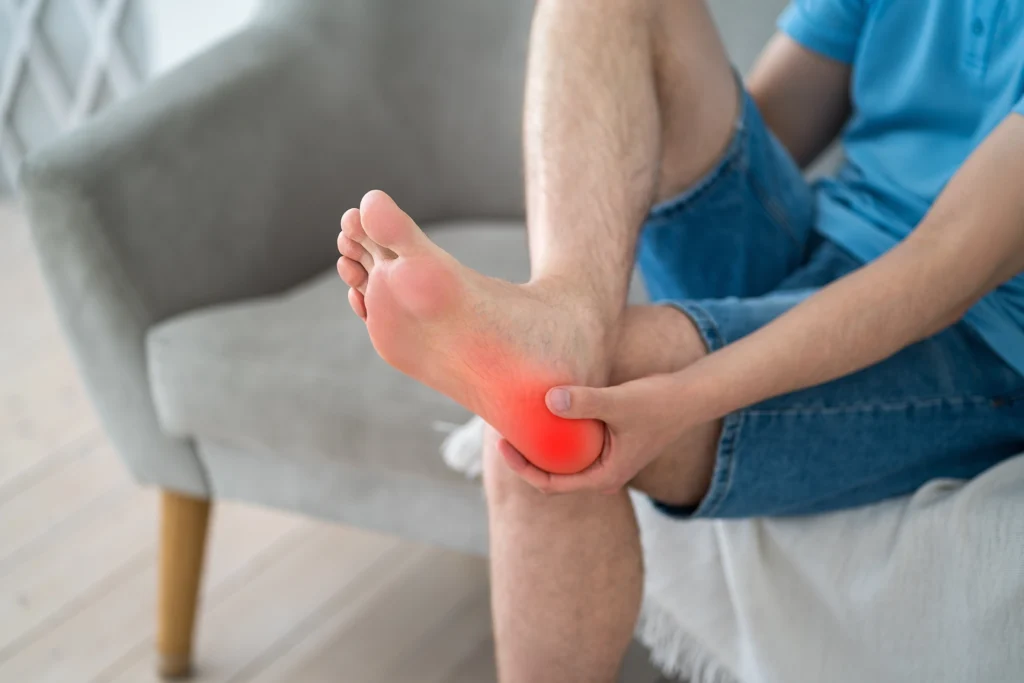
Heel pain can be frustrating when it seems to improve with treatment, only to return once normal daily or sporting activity resumes. This pattern can occur with plantar fasciitis, where symptoms may settle before the foot is fully ready to tolerate its usual level of activity.
Recurring pain does not always mean that treatment has failed. Recovery can depend on how well the foot is tolerating load again and whether other contributing factors are still placing stress on the plantar fascia.
Why Can Plantar Fasciitis Pain Return After Treatment?
Recovery from plantar fasciitis is not always linear. As normal activity resumes, the foot may be exposed to demands that were not present during the earlier stages of recovery.
Symptoms Can Improve Before Load Tolerance Fully Recovers
Pain is often what people use to judge whether a foot problem has recovered. However, symptom improvement and load tolerance do not always progress at the same pace.
During recovery, everyday walking may become comfortable even while the plantar fascia has not yet regained the capacity needed for more demanding or prolonged activity.
A Sudden Return to Activity Can Trigger Another Flare-Up
Once heel pain improves, it can be tempting to return straight to previous exercise or activity levels. A sharp increase in demand can, however, place more load through the plantar fascia than it is currently prepared to manage.
This may happen after increasing running distance or resuming higher-impact exercise after a period of reduced activity, a pattern that can also contribute to overuse sports injuries.
What Can Keep Placing Stress on the Plantar Fascia?
Recurrence is not always related to the timing of return to activity. In some cases, factors that influence how forces pass through the foot remain present even after the initial symptoms have settled.
Foot Mechanics and Lower-Limb Flexibility
The way the foot and ankle move can affect how forces pass through the plantar fascia. Differences in foot posture or movement may increase strain on this tissue during weight-bearing activity.
Tight calf muscles can limit how far the ankle bends as the shin moves forwards over the foot. This restriction may change how weight passes through the foot during walking or running, increasing strain on the plantar fascia.
Footwear and Everyday Loading
Long periods of standing or walking can place repeated strain on the plantar fascia, even without exercise. A job that keeps you on your feet may leave little opportunity for the heel to rest between periods of activity.
Footwear can influence how the foot handles these daily demands. Shoes that feel comfortable for a short walk may provide insufficient cushioning or support over a full working day. Worn shoes may also lose these qualities, which can further affect how the foot handles repeated loading throughout the day.
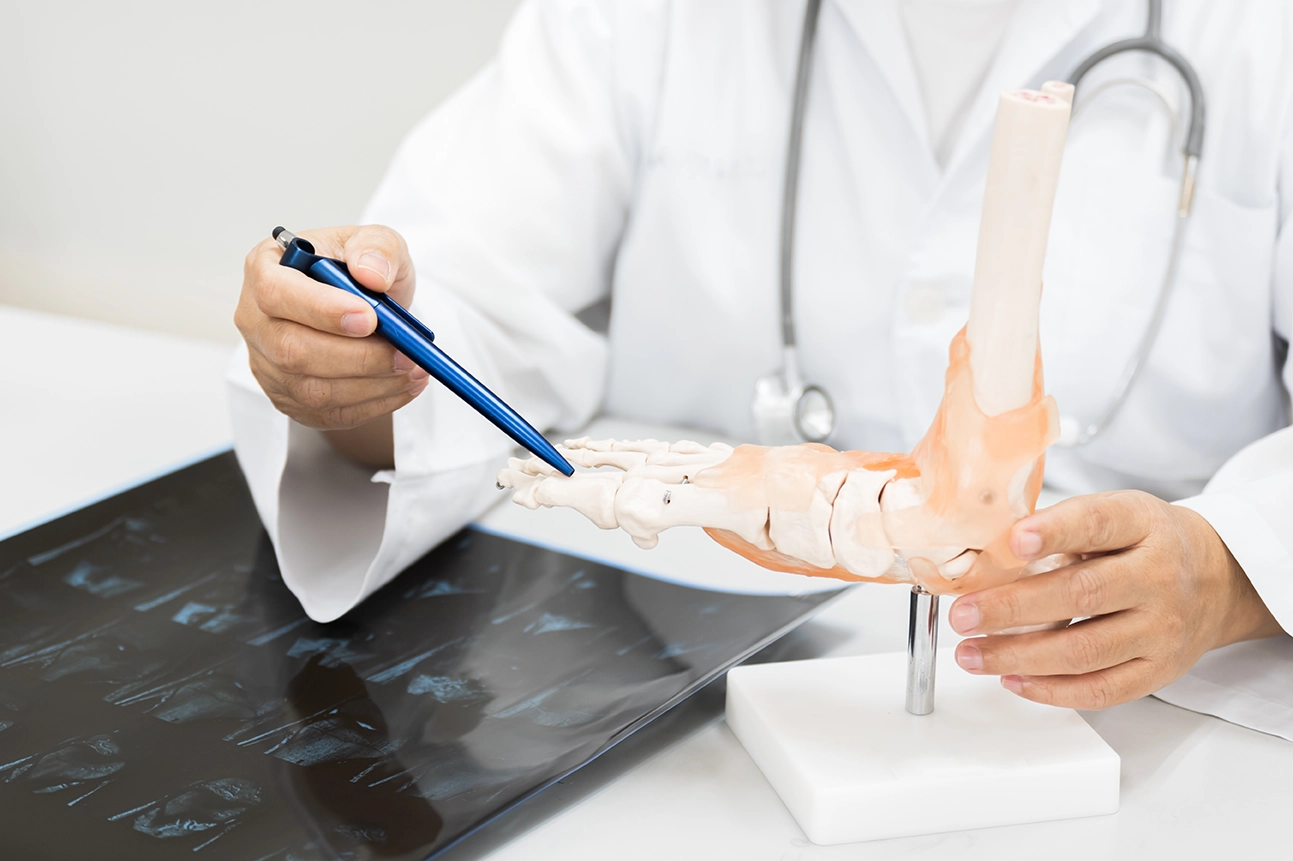
When Might Recurrent Heel Pain Need a Reassessment?
When heel pain does not improve as expected after plantar fasciitis treatment, or returns with a different pattern, reassessment may help clarify its cause.
Plantar fasciitis commonly causes pain under the heel, particularly with the first steps after rest. Other possible sources of heel pain include:
- Problems involving the Achilles tendon
- A stress injury to the heel bone
- Problems with the cushioning fat pad beneath the heel
- Irritation of nerves around the heel
An assessment may also be useful when symptoms keep returning despite previous treatment. The doctor can review when the pain occurs and examine the foot to check whether it is still consistent with plantar fasciitis. Reviewing your recovery and daily activities can also help identify factors contributing to recurrence that may need a different treatment approach.
Find Out Why Your Heel Pain Keeps Returning With Dr Alan Cheung
If heel pain keeps returning despite changes to your activity or previous treatment, you may be unsure whether to continue with the same plan. Reassessment can help identify why symptoms are recurring and whether a different approach may be appropriate.
At the International Orthopaedic Clinic, patients can seek assessment and treatment for plantar fasciitis and other causes of persistent or recurrent heel pain. Dr Alan Cheung can assess whether your symptoms remain consistent with plantar fasciitis and what may be contributing to their recurrence.
If recurring heel pain is affecting your walking or return to activity, book an appointment to reassess your symptoms and discuss whether your treatment plan needs adjusting.
