


Dr Alan Cheung
Senior Consultant Orthopaedic Surgeon in Singapore
MBBS (London), MRCS (England), FRCS (Trauma and Orthopaedics, England), Diploma in Sport and Exercise Medicine (UK), Fellow of the European Board of Orthopaedics and Traumatology, American Academy of Orthopaedic Surgeons (AAOS)
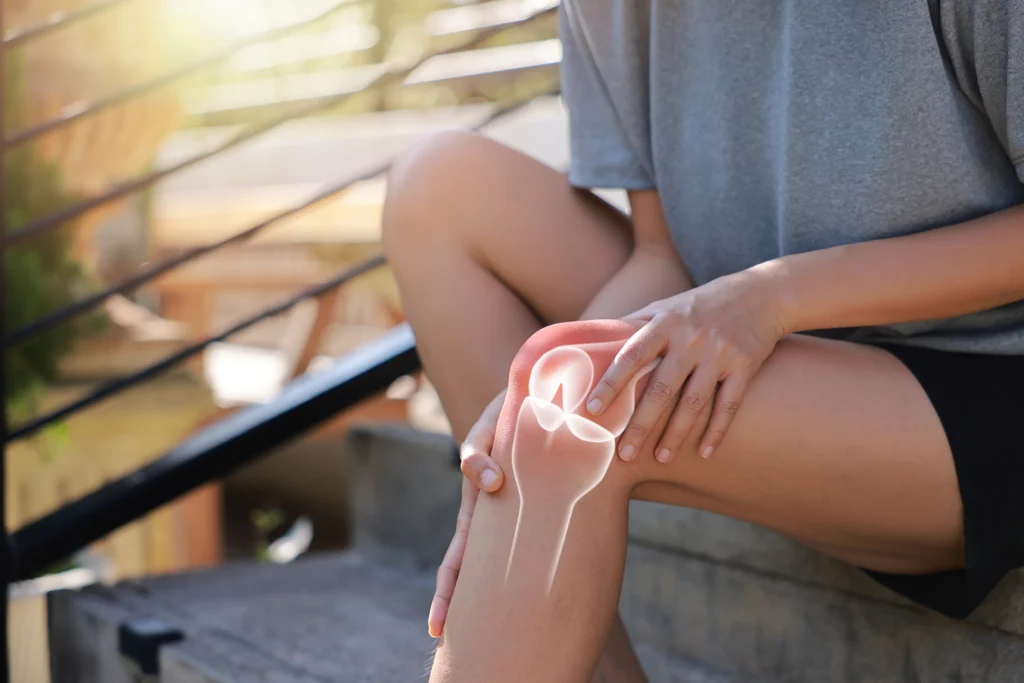
Knee pain can be especially frustrating when it returns after weeks or months of improvement. Treatment may have seemed successful and normal activities may have resumed, so another episode can raise questions about why the pain has returned.
However, pain returning does not by itself explain what is happening in the knee. Looking at when symptoms returned and whether their pattern has changed can help determine what may need attention.
Key Takeaways
- Returning knee pain does not automatically mean that previous treatment failed.
- Some knee conditions remain manageable long term but can become symptomatic again.
- Knee pain may return if activity increases faster than the knee is ready to tolerate.
- More frequent pain or new symptoms may be reasons to reassess the knee.
Why Can Knee Pain Return Even If Treatment Worked?
Whether recurrent pain represents a setback partly depends on what the original treatment was intended to achieve.
The Underlying Condition May Still Need Long-Term Management
Some knee problems are acute, developing after a specific injury and potentially resolving as the affected tissues heal. Others, such as knee arthritis, are long-term conditions that may need ongoing management. Treatment for osteoarthritis may reduce pain and stiffness and help maintain mobility, but it does not reverse the joint changes associated with the condition. Pain can therefore return after a period of improvement without necessarily meaning that the earlier treatment was unsuccessful.
Some Knee Conditions Can Flare From Time to Time
Some long-term knee conditions can flare from time to time even after symptoms have been well controlled. Changes in irritation or inflammation within the joint or surrounding tissues can temporarily increase pain, stiffness or swelling, even without a new injury.
These changes are not always linked to one identifiable trigger, which is why flare-ups can sometimes seem unpredictable despite the condition having been well controlled beforehand.
Pain Relief May Come Before Full Functional Recovery
Controlling pain and swelling is often an early part of treatment after a knee injury or operation, particularly when symptoms are limiting movement. As these symptoms improve, everyday activities may become comfortable again and rehabilitation can progress.
However, feeling less pain does not mark the end of recovery. Strength and the knee’s ability to cope with increasing activity may still be improving even after everyday pain has settled.
What Can Trigger Knee Pain to Return?
What happened before symptoms reappeared can provide useful context, particularly when there has been a noticeable change in activity or in the way the knee feels.
Returning to Demanding Activity Too Quickly
After injury, surgery or a period of reduced activity, the knee may initially be accustomed to lower levels of load. Returning immediately to a previous level of demanding activity can therefore place greater demands on it than a gradual progression would.
This does not mean activity should automatically be avoided. Instead, symptoms appearing after a sharp increase in workload may suggest that the pace of progression needs to be reviewed.
Reduced Strength or Coordination Can Increase Stress on the Knee
After injury, surgery or a period of reduced activity, the muscles around the knee may not yet be supporting movement as effectively as before. This can change how the knee handles force during activity.
As a result, activities that previously felt manageable may place greater stress on the knee when they demand more from the supporting muscles. This can contribute to pain returning even without a new injury.
A New Injury Can Cause a Different Knee Problem
Pain that returns after treatment may sometimes be caused by a new injury rather than the original condition. A twisting movement, awkward landing or fall can cause a meniscus tear or injure one of the knee ligaments.
The symptom pattern may then change. Meniscus injuries, for example, can cause locking or catching, while ligament injuries may be associated with instability or giving way. In this situation, the returning pain needs to be assessed as a potentially new problem rather than assuming the previous treatment has stopped working.
When Should Returning Knee Pain Be Reassessed?
A familiar episode that settles is different from pain that is becoming more frequent or affecting activity more than before, especially when symptoms appear that were not present during earlier episodes.
The Pain Keeps Returning or Is Becoming More Frequent
Reassessment may be useful when episodes occur increasingly often, take longer to settle or begin after less activity than before. Changes such as avoiding previously manageable stairs or repeatedly having to cut exercise short can also show that the functional impact has increased.
A clinical assessment can compare the current pattern with the previous diagnosis and response to treatment.
New Symptoms Appear Alongside the Pain
Features that may warrant closer assessment include:
- persistent or increasing swelling
- locking or catching
- new instability or giving way
- marked loss of movement
- difficulty bearing weight after a new injury
These symptoms do not establish a diagnosis by themselves, but they can suggest that the current episode should not automatically be treated as a repeat of the previous one.
Previous Treatment No Longer Gives the Same Relief
A treatment plan is based on the findings present at a particular point in time. If the symptoms or circumstances have changed, repeating the same approach may not provide the same result.
Seeing a doctor for knee pain treatment allows the current pain, movement and knee stability to be compared with the earlier problem. Further imaging is not automatically needed whenever symptoms recur, but it may be considered when the clinical findings suggest a new injury or structural change.
Reassess Knee Pain That Has Returned with Dr Alan Cheung
Knee pain returning after successful treatment does not necessarily mean that the earlier progress has been lost. What matters is understanding whether the current episode follows the previous pattern or whether something has changed that may require a different approach.
At International Orthopaedic Clinic, patients can receive assessment and treatment for knee pain that has returned or changed after earlier treatment. Dr Alan Cheung is a Senior Consultant Orthopaedic Surgeon whose practice includes sports injuries and adult joint reconstruction. If knee pain has returned after a period of improvement or is beginning to limit normal activities again, book an appointment to have the current symptoms assessed.
