

BLOG

When Is It Better to Wait Before Knee Replacement Surgery?

Dr Alan Cheung

Dr Alan Cheung

Senior Consultant Orthopaedic Surgeon in Singapore

MBBS (London), MRCS (England), FRCS (Trauma and Orthopaedics, England), Diploma in Sport and Exercise Medicine (UK), Fellow of the European Board of Orthopaedics and Traumatology, American Academy of Orthopaedic Surgeons (AAOS)

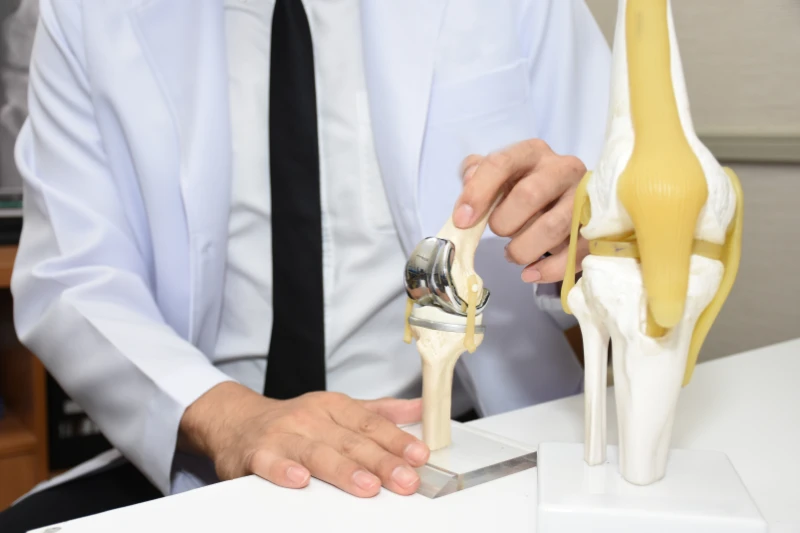
Doctor showing a model knee joint after a knee replacement surgery.

Many people assume that needing knee replacement surgery means they should have it as soon as possible. Others delay it for years, hoping the pain will eventually improve or that surgery can be avoided altogether. In reality, the right timing often lies somewhere in between.

Knee replacement is not simply recommended because arthritis is visible on an X-ray or because the knee is painful. Orthopaedic specialists also consider how your symptoms are changing over time, how much they limit your everyday activities and whether conservative treatment is still helping you maintain the lifestyle you want. Understanding these factors can help you decide when waiting remains a reasonable option—and when it may be time to consider surgery.

Key Takeaways

  • Knee replacement surgery is not always needed immediately after a diagnosis of knee arthritis.
  • Waiting may be appropriate if your symptoms are manageable and conservative treatment continues to support your mobility and daily activities.
  • As your symptoms change, regular reassessment helps determine whether your current treatment remains effective.
  • Delaying surgery for too long may affect muscle strength, mobility and recovery if knee function continues to decline.
  • The right timing for surgery is based on your symptoms, knee function, lifestyle and treatment goals rather than a single X-ray or pain score.

When Is It Reasonable to Wait Before Knee Replacement Surgery?

Knee replacement surgery is not always the next step after being diagnosed with knee arthritis. For many people, there is a period where symptoms can still be managed effectively with conservative treatment, allowing them to remain active and continue with most of their usual activities.

Waiting may be a reasonable option if:

  • Your knee pain is manageable and does not significantly interfere with your daily routine.
  • You are still able to walk, climb stairs and carry out everyday activities without substantial difficulty.
  • Physiotherapy, exercise, medication or injections continue to provide meaningful symptom relief.
  • Your knee remains reasonably stable, without frequent giving way or significant loss of function.
  • Your symptoms have remained relatively consistent rather than progressively worsening.

Choosing to wait does not mean putting treatment on hold. Instead, it allows you and your orthopaedic specialist to continue monitoring your symptoms while making the most of non-surgical treatments that help maintain knee function. Regular follow-up helps ensure your treatment continues to match your symptoms and activity level.

How Do You Know When Waiting Is No Longer Helping?

The decision to have knee replacement surgery is rarely made because of one particularly bad day. More often, it happens when you realise that your knee is influencing more and more of your daily decisions. Activities that once felt routine begin to require extra planning, extra effort or are avoided altogether.

You may benefit from reviewing your treatment plan if:

  • You are walking noticeably shorter distances because your knee becomes painful or fatigued.
  • You regularly avoid stairs, uneven ground or longer outings because of your knee.
  • Standing up from a chair or getting out of a car is becoming increasingly difficult.
  • Knee pain or stiffness is disrupting your sleep or affecting your concentration during the day.
  • You are relying on pain medication more frequently just to remain comfortable during everyday activities.
  • You have stopped participating in hobbies, exercise or social activities because of your knee symptoms.

These changes do not necessarily mean surgery is the only option, but they may suggest that your current treatment is no longer providing the same level of benefit. Reassessment by an orthopaedic specialist can help determine whether continuing with conservative treatment remains appropriate or whether it is time to consider a different approach.

Does Waiting Too Long Affect Surgery or Recovery?

Waiting before knee replacement surgery does not automatically lead to poorer outcomes. However, if knee function continues to decline over a prolonged period, it may gradually affect your strength, mobility and overall physical condition, which can influence recovery after surgery.

Waiting too long may contribute to:

  • Reduced muscle strength, particularly in the muscles that support the knee during standing and walking.
  • Increasing knee stiffness, making it more difficult to regain comfortable movement after surgery.
  • Changes in the way you walk, which may place additional strain on the opposite knee, hips or lower back.
  • Reduced endurance and muscle conditioning, which may make rehabilitation more physically demanding after surgery.
  • Greater dependence on walking aids or support from others for everyday activities.
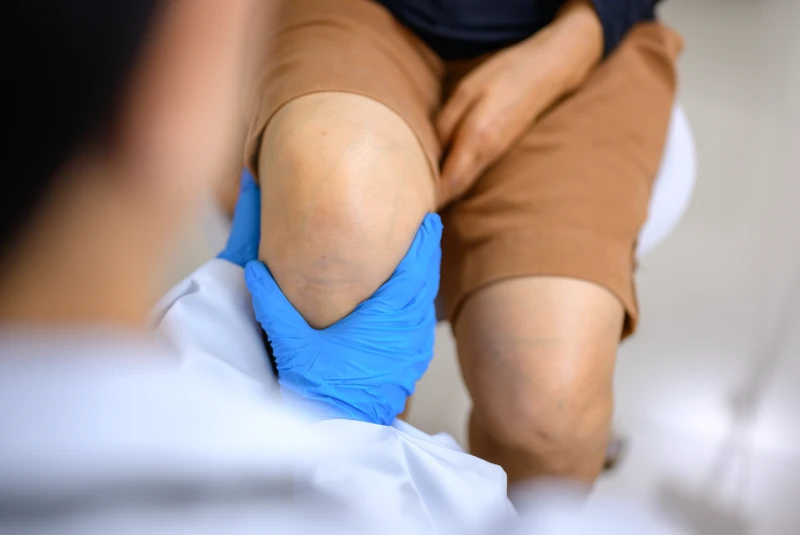
A specialist assessing a patient's knee.

This does not mean surgery should be performed as soon as knee arthritis is diagnosed. Rather, it highlights the importance of reassessing your knee if your mobility or daily activities continue to decline. The aim is to choose a time when conservative treatment is no longer helping you maintain your lifestyle, but before prolonged loss of mobility begins to have a greater impact on your recovery and quality of life.

How Do Specialists Decide When the Time Is Right?

There is no single test or score that determines when knee replacement surgery is appropriate. Instead, orthopaedic specialists consider how your symptoms, knee function and overall health come together to understand whether surgery is likely to provide meaningful improvements in your everyday life.

Your symptoms

Assesses how pain, stiffness and swelling affect your daily activities and overall comfort.

Knee function

Evaluates your ability to walk, climb stairs, stand from a seated position and move confidently.

Response to conservative treatment

Determines whether physiotherapy, medication, injections or other non-surgical treatments continue to provide meaningful benefit.

Imaging findings

Confirms the extent of joint damage and whether it matches your symptoms and clinical examination.

Your lifestyle and goals

Considers the activities you hope to maintain or return to after treatment.

Your overall health

Helps ensure you are medically prepared for surgery and supports recovery planning.

The goal is not simply to decide whether you need surgery, but whether it is the right time for surgery. By considering all of these factors together, your orthopaedic specialist can recommend the timing most likely to provide meaningful long-term improvement.

Find the Right Time for Knee Replacement with Dr Alan Cheung

There is no single "right" time for knee replacement surgery. The best timing depends on how your symptoms are changing, how your knee is functioning and whether conservative treatment is still helping you maintain the lifestyle you want. Understanding these factors is an important step towards making a confident and informed treatment decision.

At International Orthopaedic Clinic, we provide comprehensive assessment and treatment for knee arthritis and other knee conditions. Led by Dr Alan Cheung, our team takes a thorough, evidence-based approach to assessing knee function, monitoring how your symptoms change over time and recommending knee replacement surgery only when it is likely to provide meaningful improvements in mobility, independence and quality of life. Every treatment plan is tailored to your symptoms, lifestyle and treatment goals.

If knee pain or stiffness is increasingly affecting your daily life despite conservative treatment, arrange a consultation with us to discuss your symptoms and whether it may be the right time to consider knee replacement surgery.

FAQs About Delaying Knee Replacement Surgery

Yes. While knee arthritis often progresses gradually, symptoms can sometimes worsen after increased activity, a minor injury or further joint degeneration. A sudden increase in pain or swelling does not always mean you need surgery, but it should be assessed if it persists or significantly affects your mobility.

Our Orthopaedic Specialist in Singapore

Dr Alan Cheung

Senior Consultant Orthopaedic Surgeon

MBBS (London)
MRCS (Royal College of Surgeons of England)
FRCS (Trauma and Orthopaedics)
Diploma in Sport and Exercise Medicine
(Faculty of Sport and Exercise Medicine UK)

Dr Alan Cheung is a Senior Consultant Orthopaedic Surgeon with a keen focus on treating sports injuries, adult joint reconstruction and robotic surgery (Makoplasty, Navio & Robodoc). As an avid sportsperson who is actively involved in the sporting scene, Dr Cheung empathises deeply with the needs of athletes. As a trusted orthopaedic specialist, Dr Cheung has published in numerous peer-reviewed journals and has presented at various international conferences.

  • Fellowship in Joint Reconstruction & Musculoskeletal Oncology
  • Fellowship of the European Board of Orthopaedics & Traumatology
  • Asia Pacific Knee Arthroscopy and Sports Medicine Society
  • American Academy of Orthopaedic Surgeons (AAOS)
Our Clinics

Mt Elizabeth Novena #05-24, 38 Irrawaddy Road, Singapore 329563

View on Google Maps

Farrer Park Hospital Connexion, #08-20, 1 Farrer Park Station Road, Singapore 217562

View on Google Maps

Operating Hours

Monday to Friday : 9 am to 5pm
Saturday : 9 am to 1pm
Sunday & Public Holidays : Closed

Services
  • Sports Injuries
  • Orthopaedic Trauma
  • Knee
  • Hip
  • Shoulder
  • Foot And Ankle