
BLOG

What Does Knee Replacement Surgery Aim to Achieve Beyond Pain Relief?

Dr Alan Cheung

Dr Alan Cheung

Senior Consultant Orthopaedic Surgeon in Singapore

MBBS (London), MRCS (England), FRCS (Trauma and Orthopaedics, England), Diploma in Sport and Exercise Medicine (UK), Fellow of the European Board of Orthopaedics and Traumatology, American Academy of Orthopaedic Surgeons (AAOS)

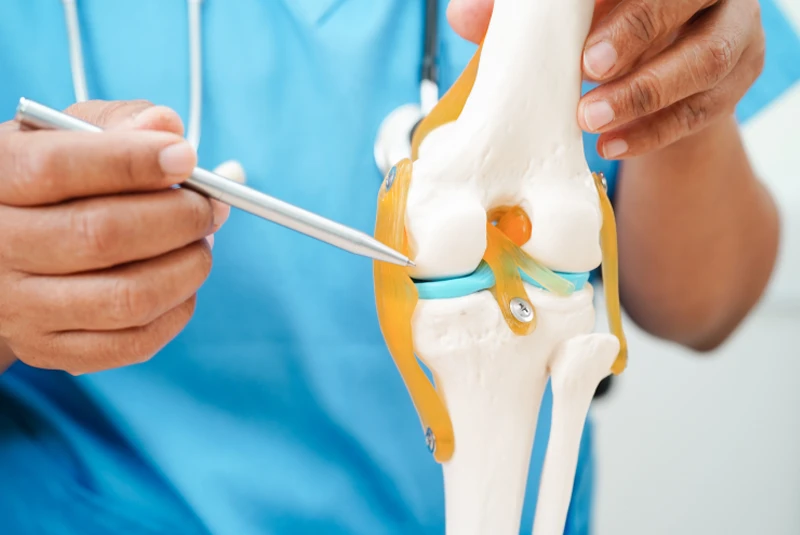
Health professional pointing at a model of the knee.

Pain is often the main reason people consider knee replacement surgery, but it is not the only thing orthopaedic surgeons are trying to improve.

Advanced knee arthritis can affect how your knee moves, how stable it feels and how confidently you carry out everyday activities. Many people gradually adapt to these changes without realising it, avoiding certain movements because the joint no longer feels reliable.

When assessing whether total knee replacement is appropriate, surgeons look beyond pain alone. They consider how arthritis is affecting the overall function of your knee and whether surgery can help restore comfortable movement, stability and independence.

What Are Knee Replacement Surgeons Assessing Before Recommending Surgery?

The decision to recommend knee replacement surgery is based on more than how much your knee hurts. As knee arthritis progresses, it can affect how the joint moves, how stable it feels and how well it supports everyday activities. Orthopaedic surgeons therefore assess the overall function of the knee to determine whether total knee replacement is likely to provide meaningful improvement.

Persistent pain, stiffness and swelling

Indicates how advanced your symptoms are and whether they continue despite conservative treatment.

Walking, climbing stairs and other everyday activities

Shows how much knee function has declined and how symptoms are affecting your quality of life.

Range of motion and joint stability

Helps assess how well the knee moves and whether the joint remains reliable during daily activities.

Changes in the way you walk

May indicate compensatory movements that place additional strain on other joints, such as the hips, lower back or opposite knee.

X-rays or other imaging findings

Confirms the extent of cartilage loss and structural damage within the joint.

Response to non-surgical treatment

Helps determine whether appropriate conservative options have been explored before considering surgery.

No single factor determines whether surgery is appropriate. Instead, your surgeon considers the overall picture to determine whether knee replacement is likely to provide meaningful improvements in everyday function.

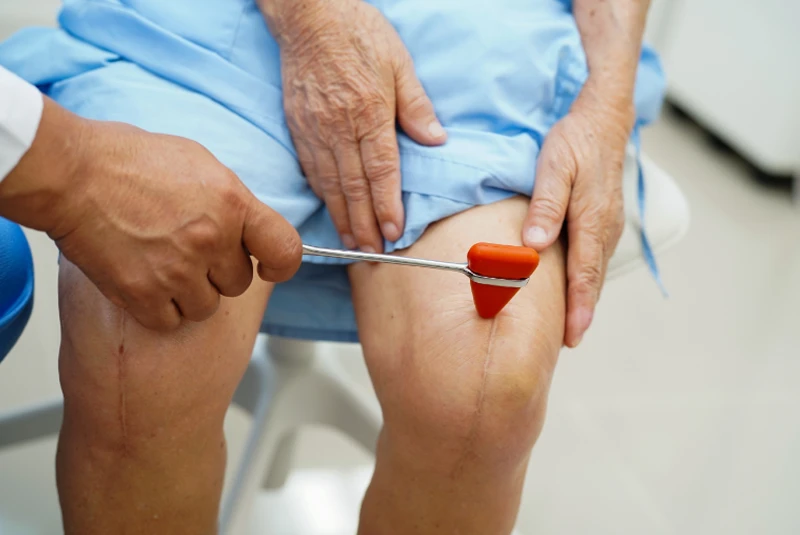
Patient getting their reflexes tested after knee replacement surgery.

How Does Knee Replacement Restore Movement and Function?

A total knee replacement removes the damaged joint surfaces and replaces them with artificial components designed to improve how the knee functions. While pain relief is an important goal, surgery is also intended to restore smoother movement and make everyday activities easier to perform.

Following successful surgery and rehabilitation, many patients experience improvements such as:

  • Walking more comfortably, with less pain or stiffness limiting movement.
  • Greater stability during weight-bearing activities, allowing the knee to feel more reliable.
  • Climbing stairs with greater ease.
  • Standing up from a chair or getting out of a car with less effort.
  • Returning to everyday activities with greater confidence and independence.

Individual outcomes vary depending on factors such as the severity of arthritis before surgery, overall health and commitment to rehabilitation.

Although many patients experience substantial improvements, a replaced knee is not intended to perform exactly like a healthy natural joint. Recovery and long-term function continue to improve through rehabilitation.

What Determines How Much Function Can Be Restored?

Every knee replacement is planned to improve function, but no two patients achieve exactly the same outcome. The extent of recovery depends on both your condition before surgery and your commitment to rehabilitation afterwards.

Some of the factors that influence recovery include:

  • The severity of knee arthritis, as more advanced joint damage may require a longer recovery.
  • Muscle strength before surgery, particularly in the quadriceps and surrounding muscles that support the knee.
  • Your overall health, as factors such as diabetes, obesity and other chronic health conditions may affect healing and influence the pace of recovery.
  • Commitment to rehabilitation, as physiotherapy and prescribed exercises help restore strength, flexibility and movement.
  • Realistic expectations, recognising that recovery is gradual and continues for several months after surgery.

Surgery is only one part of recovery. Following your surgeon's and physiotherapist's recommendations helps maximise the long-term benefits of knee replacement.

Get Back to Moving Comfortably with Dr Alan Cheung

Knee replacement surgery is about more than relieving pain. By improving movement, stability and overall function, it aims to help patients regain confidence in everyday activities and improve their quality of life. Understanding these broader goals can help you make a more informed decision about whether surgery is the right option for your condition.

At International Orthopaedic Clinic, we provide comprehensive assessment and treatment for patients with knee arthritis and other joint conditions. Led by Dr Alan Cheung, our team takes an evidence-based approach to treatment, recommending knee replacement surgery only when it is likely to provide meaningful improvements in pain, function and long-term mobility. Every treatment plan is tailored to the individual's symptoms, lifestyle and goals.

If knee pain is affecting your daily life despite conservative treatment, arrange a consultation with us to discuss whether knee replacement surgery or another treatment approach is appropriate for you.

FAQs About Knee Replacement Surgery

Not necessarily. While persistent pain is an important consideration, orthopaedic surgeons also assess how knee arthritis affects your mobility, joint stability, ability to perform everyday activities and overall quality of life before recommending surgery.

Our Orthopaedic Specialist in Singapore

Dr Alan Cheung

Senior Consultant Orthopaedic Surgeon

MBBS (London)
MRCS (Royal College of Surgeons of England)
FRCS (Trauma and Orthopaedics)
Diploma in Sport and Exercise Medicine
(Faculty of Sport and Exercise Medicine UK)

Dr Alan Cheung is a Senior Consultant Orthopaedic Surgeon with a keen focus on treating sports injuries, adult joint reconstruction and robotic surgery (Makoplasty, Navio & Robodoc). As an avid sportsperson who is actively involved in the sporting scene, Dr Cheung empathises deeply with the needs of athletes. As a trusted orthopaedic specialist, Dr Cheung has published in numerous peer-reviewed journals and has presented at various international conferences.

  • Fellowship in Joint Reconstruction & Musculoskeletal Oncology
  • Fellowship of the European Board of Orthopaedics & Traumatology
  • Asia Pacific Knee Arthroscopy and Sports Medicine Society
  • American Academy of Orthopaedic Surgeons (AAOS)
Our Clinics

Mt Elizabeth Novena #05-24, 38 Irrawaddy Road, Singapore 329563

View on Google Maps

Farrer Park Hospital Connexion, #08-20, 1 Farrer Park Station Road, Singapore 217562

View on Google Maps

Operating Hours

Monday to Friday : 9 am to 5pm
Saturday : 9 am to 1pm
Sunday & Public Holidays : Closed

Services
  • Sports Injuries
  • Orthopaedic Trauma
  • Knee
  • Hip
  • Shoulder
  • Foot And Ankle