
BLOG

Minimally Invasive Orthopaedic Surgeries: Benefits and Limitations

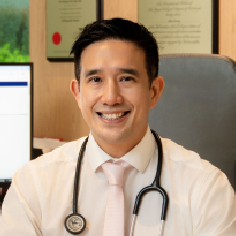
Dr Alan Cheung

Dr Alan Cheung

Senior Consultant Orthopaedic Surgeon in Singapore

MBBS (London), MRCS (England), FRCS (Trauma and Orthopaedics, England), Diploma in Sport and Exercise Medicine (UK), Fellow of the European Board of Orthopaedics and Traumatology, American Academy of Orthopaedic Surgeons (AAOS)

Surgery on patient

Hearing the word “surgery” can feel daunting, with concerns about long recovery periods, large scars or time away from work. Fortunately, orthopaedic care has progressed significantly over the years. In many cases, minimally invasive orthopaedic surgery offers an alternative, preferred approach, using smaller incisions and targeted techniques to minimise tissue disruption and support a faster recovery.

But while these techniques bring clear advantages, they are not suitable for every condition or individual. Let us explore what minimally invasive orthopaedic surgery involves, its key benefits and its limitations, so you can make a more informed decision about your treatment options.

Benefits of Minimally Invasive Orthopaedic Surgeries

Minimally invasive techniques are increasingly used in orthopaedic care and offer numerous advantages for eligible patients:

Smaller Incisions

Procedures are performed through a few small incisions, minimising disruption to the skin and underlying tissues and resulting in smaller scars.

Potentially Shorter Hospital Stay

Many minimally invasive procedures allow for same-day discharge or significantly shorter hospital stays.

Earlier Return to Daily Activities

Patients generally experience a faster return to basic daily activities due to reduced tissue injury as compared to traditional open surgery.

Reduced Postoperative Pain

Smaller incisions and reduced tissue disruption means less post-operative pain, allowing one to have a more manageable recovery.

Lower Risk of Complications

Smaller incisions lowers the risk of infection, making post-operative care simpler for many patients.

What are the Limitations?

Although minimally invasive surgery offers many advantages, it is not suitable in all cases. Consulting an orthopaedic specialist can help you determine whether you’re a suitable candidate, as well as the best course of action.

Not Suitable for Every Condition

Certain injuries, complex fractures or advanced degenerative changes require open surgery to allow adequate visualisation, precise reconstruction or secure stabilisation.

Individual Patient Factors

In determining suitability, doctors also have to consider multiple patient-specific factors, including anatomy, severity of disease, prior surgeries and overall health.

Orthopaedic Conditions Treated by Minimally Invasive Surgery

Minimally invasive orthopaedic surgery is commonly used for the following conditions:

  • Joint Arthritis

    : Arthroscopic procedures may be used to assess, clean or repair damaged cartilage and joint surfaces in early to moderate disease.
  • Ligament and Tendon Injuries

    : Repairs or reconstructions, such as ACL surgery or tendon repair, can often be performed through small incisions.
  • Herniated or Bulging Discs

    : Minimally invasive spine techniques relieve nerve compression caused by disc protrusion.
  • Fractures

    : Certain fractures can be stabilised using percutaneous screws, pins or plates without large open incisions.
  • Rotator Cuff Tears

    : Shoulder arthroscopy allows repair of torn shoulder tendons with reduced soft tissue disruption.
  • Meniscus or Cartilage Injuries

    : Knee arthroscopy is commonly used to treat meniscal tears or cartilage damage.

If you are experiencing bone and joint problems, a consultation with an orthopaedic surgeon can help determine whether surgery is required, and whether a minimally invasive approach is suitable for your case. Through careful assessment and imaging review, your surgeon can advise on the most appropriate treatment option to support recovery, function and long-term outcomes. Contact us to schedule an appointment with Dr Alan Cheung today.

our orthopaedic specialist in singapore
Dr Alan Cheung

Senior Consultant Orthopaedic Surgeon

MBBS (London)
MRCS (Royal College of Surgeons of England)
FRCS (Trauma and Orthopaedics)
Diploma in Sport and Exercise Medicine
(Faculty of Sport and Exercise Medicine UK)

Dr Alan Cheung is a Senior Consultant Orthopaedic Surgeon with a keen focus on treating sports injuries, adult joint reconstruction and robotic surgery (Makoplasty, Navio & Robodoc). As an avid sportsperson who is actively involved in the sporting scene, Dr Cheung empathises deeply with the needs of athletes. As a trusted orthopaedic specialist, Dr Cheung has published in numerous peer-reviewed journals and has presented at various international conferences.

  • Fellowship in Joint Reconstruction & Musculoskeletal Oncology
  • Fellowship of the European Board of Orthopaedics & Traumatology
  • Asia Pacific Knee Arthroscopy and Sports Medicine Society
  • American Academy of Orthopaedic Surgeons (AAOS)
Services

Sports Injuries
Orthopaedic Trauma
Knee
Hip
Shoulder
Foot And Ankle

Our Clinics

Mt Elizabeth Novena #05-24, 38 Irrawaddy Road, Singapore 329563 View on Google Maps

Farrer Park Hospital Connexion, #08-20, 1 Farrer Park Station Road, Singapore 217562 View on Google Maps

Operating Hours

Monday to Friday : 9am to 5pm
Saturday : 9am to 1pm
Sunday & Public Holidays : Closed

Contact Us Today
whatsapp us
+65 8838 7111