

BLOG

Meniscus Repair vs. Meniscectomy: Which Is Right for You?

Dr Alan Cheung

Dr Alan Cheung

Senior Consultant Orthopaedic Surgeon in Singapore

MBBS (London), MRCS (England), FRCS (Trauma and Orthopaedics, England), Diploma in Sport and Exercise Medicine (UK), Fellow of the European Board of Orthopaedics and Traumatology, American Academy of Orthopaedic Surgeons (AAOS)

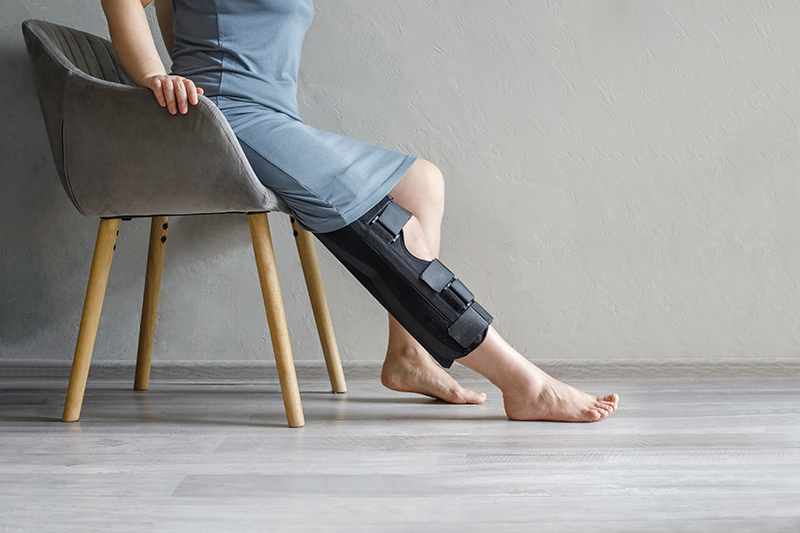
A patient recovering from meniscus surgery

The meniscus is far more than a simple piece of cartilage; it is a sophisticated, pressurised shock absorber designed to manage the intense mechanical loads of your knee. When a tear occurs, you are often faced with a difficult choice between the immediate relief of a meniscectomy and the long-term joint health provided by a repair.

However, while a meniscectomy might offer a quicker recovery, a repair focuses on preserving the joint's long-term integrity to prevent the accelerated onset of osteoarthritis. Therefore, understanding the differences between these two pathways is essential for making an informed decision that aligns with your lifestyle and long-term mobility needs.

Understanding the Meniscus: More Than Just Gristle

The meniscus is a C-shaped disc of fibrocartilage that acts as the knee's primary stabiliser. Its main job is to distribute your body weight across the femoral-tibial interface—the high-pressure meeting point between your thigh bone and shin bone. By increasing this surface area, the meniscus prevents concentrated stress on the bone and ensures the joint remains stable during movement.

The Pebble in the Shoe Analogy

When the meniscus tears, it creates a mechanical obstruction similar to having a pebble in your shoe. Just as a small stone causes sharp pain and prevents you from walking smoothly, a loose flap of torn tissue can get caught in the joint. This leads to:

  • Mechanical Locking: The knee feels stuck or unable to fully straighten.
  • Sharp Pain: Sudden, localised stabs during twisting or squatting.
  • Instability: A sensation that the knee might give way or buckle.

The Biological Roadmap: Red Zone vs. White Zone

Whether a surgeon can actually repair a tear depends entirely on its location and access to blood supply (vascularity):

  • The Red Zone (Outer Third): This area is rich in blood vessels. Much like a cut on your skin, tears here have the nutrients needed to physically knit back together if stitched.
  • The White Zone (Inner Two-Thirds): This region lacks a direct blood supply. Because it is avascular, the tissue cannot heal itself, which is why tears in this zone are often trimmed away rather than repaired.

Meniscectomy: The Quick Fix with a Long-Term Cost

A partial meniscectomy is often referred to as a trim or shaving of the knee. During this procedure, a surgeon uses arthroscopic tools to remove only the damaged or unstable fragments of the meniscus. The goal is to smooth out the torn edges so they no longer get caught in the joint, effectively clearing the mechanical blockage that causes pain.

Immediate Benefits: Why It Is Popular

Many patients—especially athletes—lean toward this option because of these immediate results:

  • Rapid Recovery: Because there is no stitched tissue that needs time to knit together, patients can often walk without crutches almost immediately.
  • Quick Return to Sport: Functional rehabilitation is significantly shorter, sometimes allowing a return to high-impact activities within 4 to 6 weeks.
  • Symptom Relief: The mechanical catching and locking sensations are usually eliminated as soon as the loose flap is removed.

The Downside: The Cost of Less Cushioning

While a trim solves the immediate mechanical problem, removing even a small portion of your natural shock absorber permanently changes how your knee handles weight.

Without the full C-shaped buffer to distribute loads evenly, the pressure on the underlying bone increases significantly. This loss of surface area leads to greater friction between the femur and tibia, which can accelerate the wear and tear of your joint's protective lining. Over time, this bone-on-bone stress often contributes to the development of early-onset osteoarthritis, trading immediate convenience for potential long-term joint health challenges.

Meniscus Repair: Investing in Your Joint's Future

Unlike a meniscectomy, which involves removing tissue, a meniscus repair is a reconstructive procedure. The surgeon uses specialised sutures, darts, or anchors to stitch the torn edges back together. This approach treats the meniscus as a valuable asset that should be salvaged whenever the biological conditions—such as a healthy blood supply—allow for it.

The Biological Reward: Restoring Hoop Stress

The primary goal of a repair is to restore the hoop stress integrity of the knee. Think of the meniscus like the metal hoops around a wooden barrel; these hoops keep the barrel from bursting under the pressure of the liquid inside.

When the meniscus is stitched back into a complete circle, it can once again catch and dissipate the downward force of your weight. By maintaining this natural tension, the repair shields the underlying bone from excessive impact, significantly reducing the risk of joint degeneration and preserving the long-term health of the knee.

The Trade-off: A Patient, Protective Recovery

While a repair offers superior long-term protection, it requires a much more disciplined and restrictive rehabilitation period. Because the body needs time to physically knit the tissue back together, the initial recovery involves:

  • Non-Weight Bearing: You will likely need crutches for several weeks to avoid putting pressure on the fresh stitches.
  • Bracing: A hinged knee brace is often required to limit your range of motion and prevent the repair from being stretched or stressed prematurely.
  • Gradual Loading: Unlike the quick fix of a trim, a repair requires a slow, progressive transition back to impact sports, often taking several months to ensure the healing is permanent.

Meniscus Tear Treatment in Singapore: Making the Decision

Deciding between a repair and a meniscectomy is not a one-size-fits-all process. In Singapore, orthopedic specialists evaluate several key clinical factors to determine which surgical pathway offers the highest probability of success for your specific case.

Key Patient Factors

Your surgical roadmap is largely dictated by the nature of the injury and your lifestyle goals, such as:

  • Tear Geometry: A Bucket-handle tear, where a large piece of the meniscus flips like a bucket handle, is often a high priority for repair because of its mechanical impact. Conversely, complex or degenerative shredded tears may sometimes be better managed with a careful trim.
  • Age and Activity Level: Younger, active patients are typically pushed toward repair to protect the joint for decades to come. For older patients with pre-existing wear, the goal may shift toward rapid pain relief and maintaining current mobility.
  • Tissue Quality: The health of the remaining fibrocartilage determines if the stitches will hold securely or if the tissue is too degraded for a lasting repair.

Diagnostic Precision: Building the Roadmap

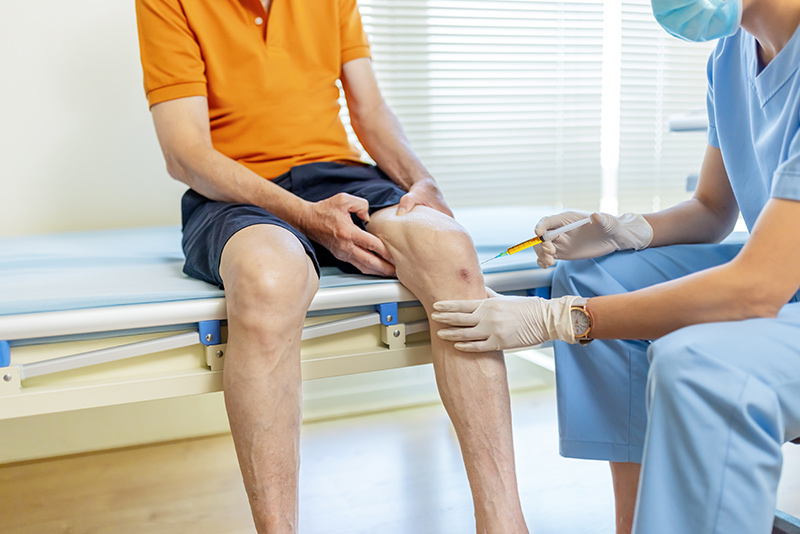
Before stepping into the operating theater, a precise diagnosis is essential to avoid surprises during meniscus surgery. This involves a two-pronged approach:

  • Physical Examination (The McMurray Test): This is a specialised clinical test where the surgeon rotates and flexes the knee to feel for clicks or pops. It helps confirm if the pain is truly coming from a mechanical meniscus issue rather than a ligament or tendon strain.
  • High-Quality MRI: An MRI provides a detailed look at the red zone and white zone of your meniscus. This imaging allows the surgeon to see the exact blood supply available and plan whether to prepare for a complex stitching procedure or a straightforward cleaning of the joint.

By combining these diagnostic tools, you and your surgeon can make an informed choice that balances your need for a quick recovery with the long-term preservation of your knee.

A doctor assessing a patient's knee before meniscus surgery

Prioritising Your Long-Term Joint Health

Choosing between a meniscus repair and a meniscectomy is a decision that balances immediate relief with the long-term survival of your knee joint. While a meniscectomy offers a faster return to daily life, preserving your natural shock absorber through a repair is often the superior investment for preventing early-onset osteoarthritis and maintaining an active lifestyle well into the future.

At International Orthopaedic Clinic, our approach focuses on joint preservation whenever biologically possible. By utilising advanced diagnostics and a repair-first philosophy, Dr Alan Cheung helps patients navigate their treatment options to ensure the best possible outcome for their mobility.

If you are experiencing knee pain or have been diagnosed with a meniscus tear, early intervention is key to protecting your joint. Book an appointment with us today to discuss a tailored surgical or rehabilitation roadmap designed for your recovery.

Frequently Asked Questions (FAQs) About Meniscus Surgeries

How do I know if my meniscus tear is in the red zone?

Whether your tear is in the red zone depends on its location relative to the outer third of the meniscus, where blood supply is most abundant. A specialist uses high-resolution MRI imaging to determine if the tear sits in this vascularised area, which is the only region capable of biological healing after a repair.

Why is the recovery time for a repair longer than a trim?

A repair requires a longer recovery because the stitched tissue must physically knit back together, necessitating several weeks of restricted weight-bearing and bracing to protect the sutures. Conversely, a trim involves simply removing the torn flap, allowing for a much faster return to daily activities since there is no healing tissue to protect.

Can I still have a meniscus transplant if I choose a trim now?

Yes, a meniscus transplant remains a secondary option if a previous trim leads to significant joint pain, though it is a complex procedure reserved for specific clinical cases. However, it's important to note that preserving your natural shock absorber through an initial repair is always preferred, as it maintains the knee's original mechanical integrity and delays arthritic changes.

Our Orthopaedic Specialist in Singapore

Dr Alan Cheung

Senior Consultant Orthopaedic Surgeon

MBBS (London)
MRCS (Royal College of Surgeons of England)
FRCS (Trauma and Orthopaedics)
Diploma in Sport and Exercise Medicine
(Faculty of Sport and Exercise Medicine UK)

Dr Alan Cheung is a Senior Consultant Orthopaedic Surgeon with a keen focus on treating sports injuries, adult joint reconstruction and robotic surgery (Makoplasty, Navio & Robodoc). As an avid sportsperson who is actively involved in the sporting scene, Dr Cheung empathises deeply with the needs of athletes. As a trusted orthopaedic specialist, Dr Cheung has published in numerous peer-reviewed journals and has presented at various international conferences.

  • Fellowship in Joint Reconstruction & Musculoskeletal Oncology
  • Fellowship of the European Board of Orthopaedics & Traumatology
  • Asia Pacific Knee Arthroscopy and Sports Medicine Society
  • American Academy of Orthopaedic Surgeons (AAOS)
Our Clinics

Mt Elizabeth Novena #05-24, 38 Irrawaddy Road, Singapore 329563

View on Google Maps

Farrer Park Hospital Connexion, #08-20, 1 Farrer Park Station Road, Singapore 217562

View on Google Maps

Operating Hours

Monday to Friday : 9 am to 5pm
Saturday : 9 am to 1pm
Sunday & Public Holidays : Closed

Services
  • Sports Injuries
  • Orthopaedic Trauma
  • Knee
  • Hip
  • Shoulder
  • Foot And Ankle