

BLOG

The Pop and Immediate Swelling: Signs of a Total ACL Tear

Dr Alan Cheung

Dr Alan Cheung

Senior Consultant Orthopaedic Surgeon in Singapore

MBBS (London), MRCS (England), FRCS (Trauma and Orthopaedics, England), Diploma in Sport and Exercise Medicine (UK), Fellow of the European Board of Orthopaedics and Traumatology, American Academy of Orthopaedic Surgeons (AAOS)

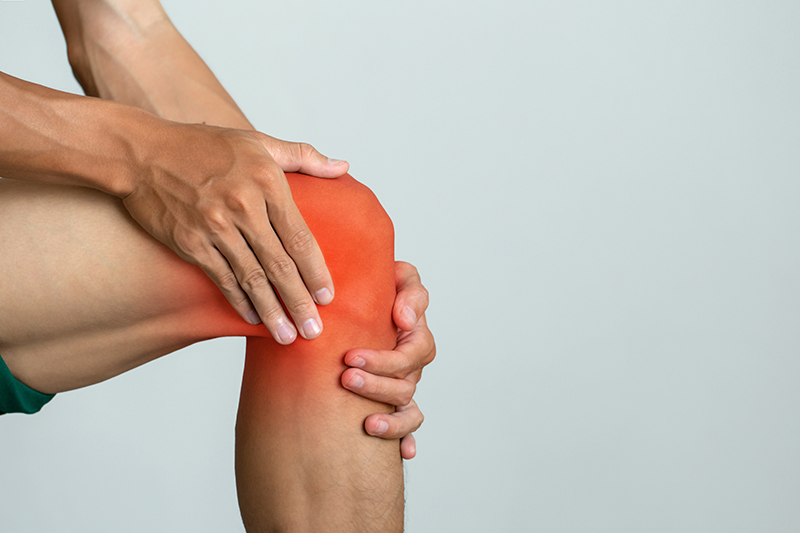
Close-up of a man touching his painful knee highlighted in red

A knee injury can happen in an instant. One awkward landing, sudden change in direction or direct impact during a game can leave an athlete wondering whether they are dealing with a minor sprain or something more serious. Among the most significant knee injuries is a total ACL tear, which occurs when the anterior cruciate ligament (ACL) is completely torn and can no longer stabilise the knee joint.

While a definitive diagnosis requires a medical assessment, there are several warning signs that athletes can look for immediately after an injury. Understanding these clinical indicators can help you assess the severity of the injury on the field and determine when it is time to seek professional care.

What Happens Immediately After a Total ACL Tear?

A total ACL tear often occurs during activities that involve sudden stops, rapid changes in direction or awkward landings. Athletes commonly report feeling or hearing a distinct "pop" at the moment of injury. While not every torn ACL produces an audible sound, this sensation is one of the most frequently reported symptoms. Some athletes describe the sensation as though something snapped inside the knee, even if no audible sound was heard.

Another hallmark sign is rapid swelling. Unlike minor strains that may cause gradual discomfort, a complete ACL tear can trigger significant swelling within a few hours. This occurs because the torn ligament can bleed into the joint space, causing swelling to develop rapidly, often within the first few hours after injury.

Athletes may also experience immediate pain and difficulty continuing their activity. However, the level of pain varies from person to person, which is why pain alone should not be used to determine the severity of the injury.

If you suspect an ACL injury, consider the following questions immediately after the incident:

  • Did you hear or feel a pop in your knee?
  • Did swelling develop within a few hours?
  • Did the injury occur during a pivot, jump or sudden change in direction?
  • Did your knee feel unstable immediately after the incident?

Answering "yes" to several of these questions may suggest a significant ligament injury, but only a clinical assessment and appropriate imaging can confirm the diagnosis.

Can You Still Walk or Play Sports After a Complete ACL Tear?

One of the biggest misconceptions surrounding a completely torn ACL is that walking becomes impossible. In reality, many athletes can still stand and walk after the injury, especially once the initial pain subsides.

However, walking is very different from performing athletic movements. While a person with a complete ACL tear may be able to move around on a flat surface, activities such as cutting, pivoting, sprinting or jumping often feel unstable. Some athletes describe the sensation as the knee "giving way" or buckling beneath them.

Attempting to continue playing can increase the risk of further damage to other structures in the knee, including the meniscus and cartilage. For this reason, athletes who suspect a torn ACL should avoid returning to play until they have been properly assessed.

Key Signs and Symptoms of a Complete ACL Tear

While every injury is unique, there are several signs that commonly accompany a total ACL tear.

The most recognised symptoms include:

  • A popping sensation at the time of injury
  • Rapid swelling within a few hours
  • Knee instability or buckling
  • Reduced range of motion
  • Difficulty pivoting or changing direction
  • Pain that worsens with activity
  • A feeling that the knee may "give out"

Not all athletes will experience every symptom. Some individuals may have minimal pain yet still have a completely torn ACL. This is why looking at the overall pattern of symptoms is more useful than focusing on a single sign.

If multiple symptoms are present, especially the combination of a pop, swelling and instability, medical evaluation should be arranged as soon as possible.

How to Tell a Complete ACL Tear From Other Knee Injuries

Many knee injuries share similar symptoms, making it difficult to identify the exact problem on the field.

For example, a mild ligament sprain may cause pain and swelling but usually does not produce significant instability. Meniscus injuries can cause locking, catching or joint line pain but may not be associated with the classic popping sensation and rapid swelling seen in a complete ACL tear.

A useful rule of thumb is to consider the combination of symptoms rather than any individual sign.

A complete ACL tear is more likely when you experience:

  • A non-contact twisting injury
  • A popping sensation
  • Rapid swelling
  • Knee instability
  • Difficulty returning to play

Ultimately, imaging studies and a clinical examination are needed to confirm the diagnosis. Self-assessment should only be used as an initial guide rather than a substitute for professional care.

When Should You See a Specialist for a Suspected ACL Tear?

While on-field assessment can help you gauge the severity of a knee injury, it cannot confirm whether you have a complete ACL tear. A specialist evaluation is recommended whenever symptoms interfere with normal movement or athletic performance.

You should seek medical attention if:

  • Swelling continues to worsen after the injury
  • Your knee repeatedly gives way during daily activities
  • You cannot safely return to training or competition
  • You have difficulty fully bending or straightening the knee
  • Symptoms do not improve after several days of rest

A knee specialist can determine whether the injury involves the ACL or other structures within the knee and recommend the most appropriate next steps for recovery.

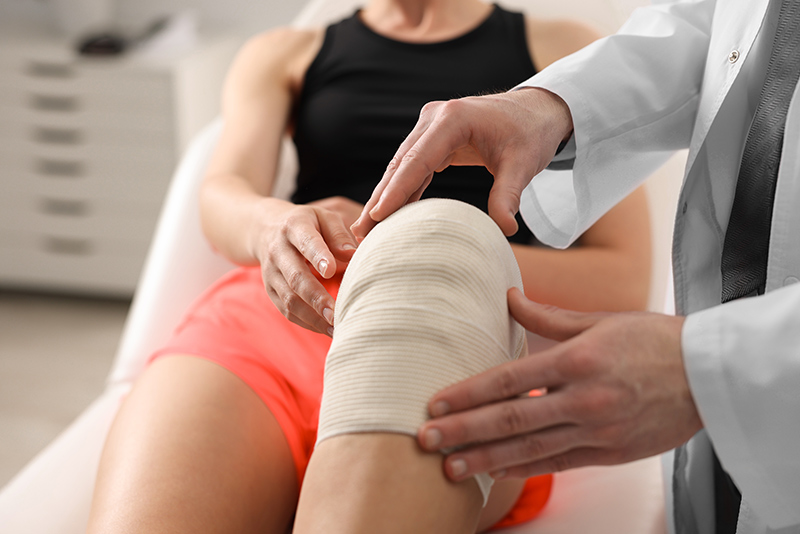
Close-up of doctor examining patient's knee in hospital

Taking the Right Steps After a Suspected ACL Tear

A total ACL tear is not always obvious in the moment, especially when adrenaline masks the pain. However, recognising key warning signs such as a popping sensation, rapid swelling and knee instability can help athletes make informed decisions immediately after an injury. Rather than attempting to play through the symptoms, it is important to prioritise proper assessment, as continued training or competing may worsen the injury and delay recovery.

At International Orthopaedic Clinic, we understand that an ACL tear can have significant implications for an athlete's performance, mobility and long-term knee health. As an active athlete himself, Dr Alan Cheung combines orthopaedic expertise with a practical understanding of the challenges associated with ACL injuries. From diagnosis through recovery, he works closely with patients to develop personalised treatment plans aimed at improving knee stability, restoring function and supporting each patient's recovery goals.

If you suspect a torn ACL or are experiencing persistent knee instability after an injury, early evaluation may help guide appropriate treatment and recovery planning. Arrange an appointment today to discuss your symptoms and whether further assessment or treatment may be appropriate.

FAQs About Complete ACL Tears

Can you walk with a completely torn ACL?

Yes, many people can still walk with a completely torn ACL, especially after the initial pain subsides. However, the knee may feel unstable during activities that involve pivoting, cutting or sudden changes in direction. Walking does not rule out a total ACL tear.

Can you hear a pop and not tear your ACL?

Yes. While a popping sensation is a common sign of a complete ACL tear, it can also occur with other knee injuries. A popping sound alone cannot confirm an ACL tear, which is why medical assessment is important if symptoms such as swelling, instability or difficulty returning to activity are present.

Do all complete ACL tears require surgery?

Not necessarily. Treatment depends on factors such as your age, activity level, sporting goals and the degree of knee instability. Some individuals can manage a complete ACL tear with structured rehabilitation, while others may benefit from surgical reconstruction.

How long does it take to recover from a complete ACL tear?

Recovery timelines vary depending on the treatment approach. Rehabilitation can take several months, while athletes who undergo ACL reconstruction may require 9–12 months or longer before returning to competitive sports.

When can athletes safely return to sport after an ACL injury?

Returning to sport should be based on strength, knee stability, functional performance and medical clearance rather than a specific timeframe. Returning too early can increase the risk of re-injury and compromise long-term knee health.

Meet Our ACL Injury Specialist in Singapore

Dr Alan Cheung

Senior Consultant Orthopaedic Surgeon

MBBS (London)
MRCS (Royal College of Surgeons of England)
FRCS (Trauma and Orthopaedics)
Diploma in Sport and Exercise Medicine
(Faculty of Sport and Exercise Medicine UK)

Dr Alan Cheung is a Senior Consultant Orthopaedic Surgeon with a keen focus on treating sports injuries, adult joint reconstruction and robotic surgery (Makoplasty, Navio & Robodoc). As an avid sportsperson who is actively involved in the sporting scene, Dr Cheung empathises deeply with the needs of athletes. As a trusted orthopaedic specialist, Dr Cheung has published in numerous peer-reviewed journals and has presented at various international conferences.

  • Fellowship in Joint Reconstruction & Musculoskeletal Oncology
  • Fellowship of the European Board of Orthopaedics & Traumatology
  • Asia Pacific Knee Arthroscopy and Sports Medicine Society
  • American Academy of Orthopaedic Surgeons (AAOS)
Our Clinics

Mt Elizabeth Novena #05-24, 38 Irrawaddy Road, Singapore 329563

View on Google Maps

Farrer Park Hospital Connexion, #08-20, 1 Farrer Park Station Road, Singapore 217562

View on Google Maps

Operating Hours

Monday to Friday : 9 am to 5pm
Saturday : 9 am to 1pm
Sunday & Public Holidays : Closed

Services
  • Sports Injuries
  • Orthopaedic Trauma
  • Knee
  • Hip
  • Shoulder
  • Foot And Ankle