What Is a Lateral Meniscus Tear?
The meniscus is a C-shaped piece of cartilage that acts as a cushion between the thigh bone and shin bone. Each knee has two menisci: the medial meniscus on the inner side and the lateral meniscus on the outer side.
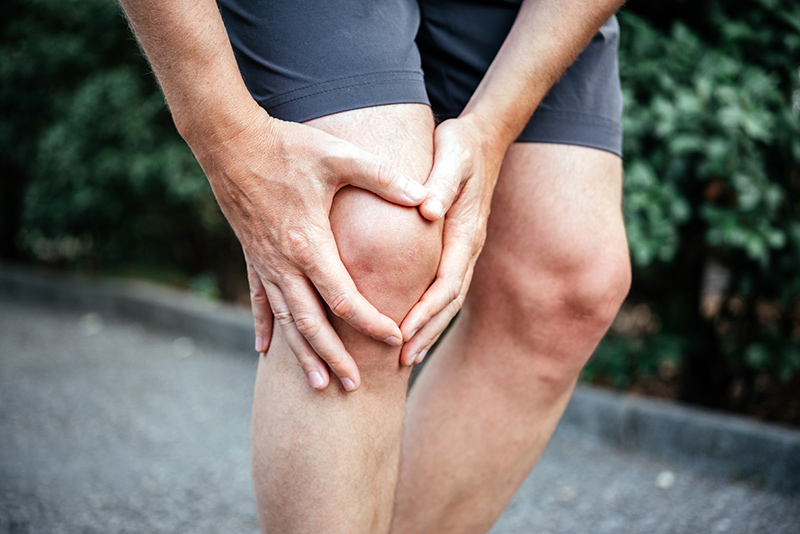
A lateral meniscus tear occurs when this cartilage becomes damaged due to a sudden twisting movement, sports injury or age-related degeneration. Common symptoms include:
- Pain on the outer side of the knee
- Swelling and stiffness
- A catching or locking sensation
- Difficulty bending or straightening the knee
- Reduced stability when walking or changing direction
The severity of a lateral meniscus tear can vary significantly. Smaller tears often respond well to conservative treatment while larger or more complex tears may require additional medical intervention.
What Factors Affect the Healing of a Lateral Meniscus Tear?
Not all meniscus tears heal at the same rate. Several factors influence whether a lateral meniscus tear can recover without surgery.
Location of Tear
The outer portion of the meniscus has a better blood supply than the inner portion. Tears located in this vascular area generally have a greater chance of healing because the increased blood supply helps support tissue repair.
Tear Size and Severity
Small and stable tears are more likely to heal with conservative management. Larger tears or those causing significant knee instability may be less responsive to non-surgical treatment.
Age
Younger individuals often experience faster healing due to better tissue regeneration. However, adults of all ages can benefit from structured rehabilitation when the injury is appropriately managed.
Activity Level
Continuing high-impact activities too soon can delay recovery. Following a gradual rehabilitation programme allows the knee to heal while reducing the risk of further injury.
Understanding these factors can help determine whether a conservative approach is appropriate for your injury.
Conservative Treatment Options for a Lateral Meniscus Tear
Many patients achieve good outcomes through non-surgical management, particularly when treatment begins early and is tailored to the severity of the injury. The following conservative treatment options are commonly recommended to reduce inflammation, improve knee function and support natural healing after a lateral meniscus tear.
RICE: Rest, Ice, Compression and Elevation
The RICE method is often recommended during the early stages of recovery from meniscus injuries. This approach helps manage pain and swelling while protecting the injured knee.
Rest
Reducing activities that aggravate symptoms is often the first step. Avoiding excessive twisting, pivoting and impact loading can help protect the injured tissue during the healing phase.
Ice
Applying ice to the affected knee can help reduce swelling and discomfort. Ice packs can be applied for short periods throughout the day, particularly after activity.
Compression
Compression sleeves or bandages may provide support and help minimise inflammation around the knee joint.
Elevation
Keeping the knee elevated above heart level when resting can help reduce swelling and promote comfort during the initial healing phase.
Physiotherapy
Physiotherapy is a key component of conservative treatment for a meniscus tear.
During the early stages of physiotherapy, treatment typically focuses on managing pain and swelling while restoring range of motion. As recovery progresses, strengthening exercises target key muscle groups such as the quadriceps, hamstrings and glutes to better support the knee.
Balance and coordination exercises may also be included to improve stability and reduce the risk of future injury. In the later stages of rehabilitation, functional movements such as squats, lunges and step-ups help patients safely return to daily activities and sport.
Bracing and Support
In some cases, a knee brace may be recommended to provide additional stability during recovery and prevent movements that could worsen the injury.
Pain Management
Depending on individual needs, your healthcare professional may recommend anti-inflammatory medications or other pain-relief strategies to manage symptoms while rehabilitation progresses.
Recovery Timeline for a Lateral Meniscus Tear
Recovery time varies depending on the severity of the injury and the individual's response to treatment.
For mild to moderate meniscus tears, symptoms often begin to improve within several weeks of conservative care. Many patients experience meaningful improvements within six to twelve weeks when they follow their rehabilitation plan consistently.
Recovery timelines vary between individuals, but rehabilitation often progresses through the following stages:
Weeks 1-2
The focus is on reducing pain and swelling while protecting the knee from further irritation.
Weeks 3-6
Patients gradually regain range of motion and begin strengthening exercises to support the knee.
Weeks 6-12
Rehabilitation becomes more functional, incorporating balance, coordination and sport-specific or activity-specific exercises where appropriate.
It's important to remember that healing timelines differ between individuals. Returning to strenuous activities too quickly can increase the risk of re-injury and prolong recovery.