Dr Alan Cheung
Senior Consultant Orthopaedic Surgeon in Singapore
MBBS (London), MRCS (England), FRCS (Trauma and Orthopaedics, England), Diploma in Sport and Exercise Medicine (UK), Fellow of the European Board of Orthopaedics and Traumatology, American Academy of Orthopaedic Surgeons (AAOS)
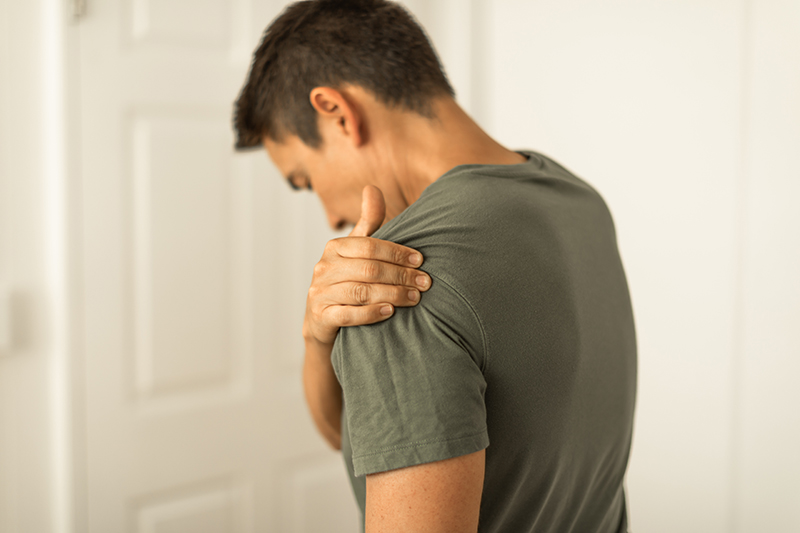
An anterior shoulder dislocation occurs when the upper arm bone (humerus) is forced out of the front of the shoulder socket. It is the most common type of shoulder dislocation and often results from falls, sporting injuries or direct trauma. The injury can cause significant pain, visible deformity and an immediate loss of shoulder function.
While prompt medical attention is essential, successful recovery extends far beyond emergency treatment. Effective anterior shoulder dislocation management involves not only restoring the joint to its correct position but also addressing the underlying instability that may increase the risk of future dislocations. Through appropriate shoulder dislocation rehabilitation and structured neuromuscular training, patients may regain confidence in their shoulder while reducing the risk of recurrent dislocations.
Emergency Response: What to Do Immediately After Anterior Shoulder Dislocation
The moments immediately following an anterior shoulder dislocation are important. If you suspect a dislocation, avoid attempting to force the shoulder back into place, as this may worsen damage to the surrounding muscles, ligaments, nerves or blood vessels.
Protect the Shoulder
Support the injured arm in a comfortable position and minimise movement as much as possible. Applying a cold pack wrapped in a cloth can help reduce pain and swelling while waiting for medical attention.
Seek Prompt Medical Assessment
Seek assessment from a healthcare professional to confirm the diagnosis and identify any associated injuries, such as fractures or soft tissue damage.
Symptoms including numbness, tingling, weakness or changes in skin colour may indicate nerve or blood vessel involvement and require urgent medical attention. Early assessment is an important part of anterior shoulder dislocation management and may help reduce the risk of complications.
Emergency Treatment for Anterior Shoulder Dislocation
Once a patient arrives at a medical facility, treatment focuses on restoring the shoulder joint safely while assessing for associated injuries.
Diagnosis and Assessment
A healthcare professional will perform a physical examination and usually arrange X-rays to confirm the dislocation and rule out fractures. Additional imaging may be recommended if there is concern about soft tissue injuries.
Shoulder Reduction
The next step is typically a reduction procedure, where the shoulder is carefully guided back into its proper position. This should only be performed by a trained healthcare professional to minimise the risk of further injury.
Repeat X-rays are commonly performed after reduction to confirm that the shoulder has been successfully realigned.
Initial Recovery After Reduction
Following reduction, patients are commonly advised to wear a sling for one to three weeks, depending on the severity of the injury and their doctor's recommendations. Pain relief medications and other supportive measures may also be recommended where appropriate.
Although reduction is an important milestone, recovery does not end once the shoulder has been relocated. The structures that support the shoulder may remain weakened, making rehabilitation essential for restoring stability and shoulder function.
Emergency Care vs. Rehabilitation: What's the Difference?
| Emergency Care | Rehabilitation |
|---|
| Restores the shoulder joint to its proper position | Restores strength, movement and shoulder control |
| Focuses on relieving acute pain and treating the injury | Focuses on long-term recovery and function |
| Includes assessment, imaging, reduction and sling immobilisation | Includes mobility, strengthening and neuromuscular exercises |
| Usually takes place immediately after injury | Often continues over several weeks or months, depending on recovery |
| Addresses the immediate injury | Aims to improve shoulder stability and reduce the risk of future dislocations |
Beyond Emergency Care: The Importance of Rehabilitation
The shoulder is one of the most mobile joints in the body, making it particularly vulnerable to instability after a dislocation. Even after successful anterior shoulder dislocation treatment, the muscles, ligaments and the body's position-sensing system (proprioception) may not function optimally.
This is why rehabilitation plays an important role in recovery. It aims to restore strength, mobility, coordination and joint awareness while supporting the healing process.
Restoring Shoulder Mobility
The early stages of rehabilitation focus on restoring shoulder movement while protecting healing tissues. Gentle range-of-motion exercises and pain management strategies help reduce stiffness and prepare the shoulder for progressive strengthening.
Rebuilding Shoulder Strength
As healing progresses, strengthening exercises target the rotator cuff and scapular stabilisers to improve shoulder support. Restoring muscle strength helps improve joint stability and may reduce the risk of ongoing instability, particularly when returning to sports or physically demanding activities.
Improving Shoulder Stability Through Neuromuscular Training
Following a shoulder dislocation, the body's ability to detect joint position and movement (proprioception) may be affected. Neuromuscular training uses targeted exercises to improve coordination, movement control and dynamic stability, helping the shoulder respond more effectively during daily activities and sports.
Returning to Daily Activities
As strength, mobility and shoulder control improve, patients can gradually return to work, exercise and other daily activities. Recovery timelines vary depending on the severity of the injury, activity level and individual healing, so rehabilitation programmes should be tailored to each person's progress.

Prioritise Your Shoulder Recovery with Dr Alan Cheung
Recovering from an anterior shoulder dislocation involves more than restoring the joint after the injury. While prompt shoulder dislocation treatment helps relieve immediate symptoms, long-term recovery often depends on a structured rehabilitation programme that restores strength, mobility, coordination and shoulder stability. Rehabilitation may also help reduce the risk of recurrent dislocations and support a safe return to daily activities, work and sports.
At International Orthopaedic Clinic, we provide comprehensive care for patients recovering from anterior shoulder dislocations, from emergency assessment and diagnosis to rehabilitation and long-term shoulder stabilisation. Under the care of Dr Alan Cheung, patients receive personalised management plans that may include conservative treatment, rehabilitation strategies and surgical intervention where appropriate. If you have experienced a first-time shoulder dislocation or ongoing shoulder instability, schedule an orthopaedic assessment to determine the most appropriate treatment approach for your condition.
FAQs About Treating an Anterior Shoulder Dislocation
Can anterior shoulder dislocation heal without surgery?
Many first-time anterior shoulder dislocations can be managed successfully without surgery through appropriate medical care and rehabilitation. However, surgery may be recommended for patients who experience repeated dislocations, significant structural damage or persistent shoulder instability despite conservative treatment.
How long does it take to recover from an anterior shoulder dislocation?
Recovery timelines vary depending on factors such as age, activity level and the severity of the injury. While some individuals may resume normal daily activities within a few weeks, returning to sports or physically demanding tasks often takes several months. Following a personalised rehabilitation programme can help optimise recovery and reduce the risk of re-injury.
What are the signs that my shoulder remains unstable after a dislocation?
Ongoing feelings of looseness, slipping, weakness or apprehension during certain movements may indicate persistent shoulder instability. Some individuals may also experience repeated episodes where the shoulder feels like it is about to dislocate. If these symptoms occur, further assessment may be needed.
Are there long-term complications associated with anterior shoulder dislocations?
In some cases, repeated dislocations can contribute to cartilage damage, bone loss or an increased risk of shoulder osteoarthritis over time. Early diagnosis, appropriate treatment and ongoing rehabilitation can help minimise the risk of long-term complications.