The rotator cuff is a group of four muscles and their tendons that surround the shoulder joint, providing stability and enabling a wide range of arm movements. A rotator cuff tear occurs when one or more of these tendons become damaged or torn, often due to injury or wear and tear. This condition can lead to pain, weakness, and limited range of motion in the shoulder, affecting both daily activities and athletic performance. Rotator cuff tears are common among older adults, but can also occur in younger individuals due to trauma or repetitive stress.
What Causes a Rotator Cuff Tear?
A rotator cuff tear can develop for several reasons, but the primary causes are trauma and degenerative changes.
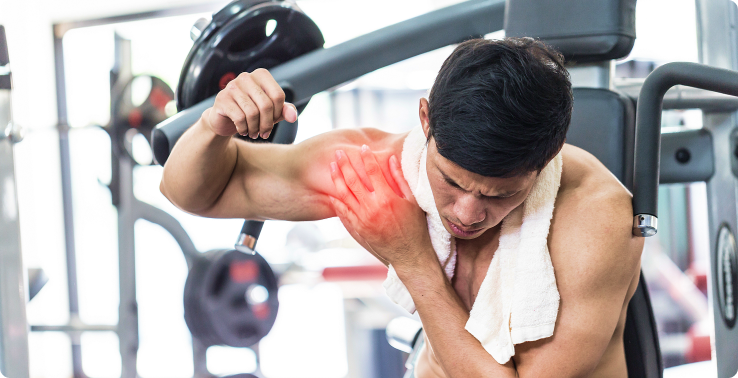
Acute trauma, such as falling onto an outstretched arm or lifting something heavy, can result in a sudden tear. Repetitive motions, especially overhead activities like throwing or lifting, can also lead to wear and tear of the tendons over time, causing gradual damage and ultimately leading to a tear.
Age-related changes play a significant role in rotator cuff tears, as the tendons naturally weaken and become less flexible with age. Additionally, poor posture, improper lifting techniques, and certain medical conditions (like diabetes) can increase the risk of a tear.
Signs and Symptoms of a Rotator Cuff Tear
The symptoms of a rotator cuff tear can vary based on the severity of the tear, but some common signs include:
Pain: This is typically felt in the shoulder or upper arm and may worsen with overhead movements or at night, particularly when lying on the affected shoulder.
Weakness: A torn rotator cuff can cause significant weakness in the shoulder, making it difficult to lift the arm or perform daily tasks like brushing hair or reaching for items.
Limited range of motion: Individuals with a rotator cuff tear may experience stiffness and difficulty moving their shoulder freely.
Clicking or popping sounds: Some people report hearing or feeling a clicking sensation in the shoulder when moving the arm.
Pain during specific movements: Tasks like reaching overhead, lifting, or even sleeping on the affected side can aggravate the pain.
If you think you may have a rotator cuff tear, please reach out to us today for an accurate diagnosis and personalised treatment.
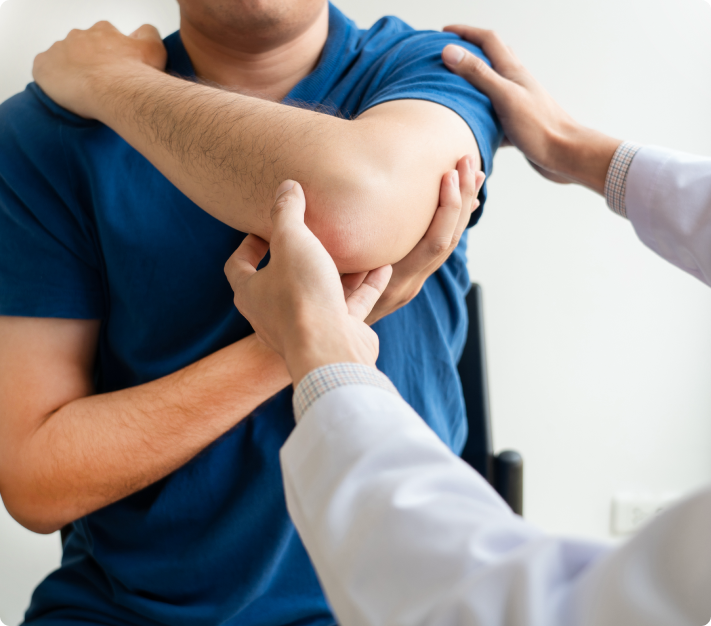
The diagnosis of a rotator cuff tear includes a physical examination, during which the shoulder specialist will assess your range of motion, strength, and pain levels. The doctor may also ask about your symptoms, medical history, and any potential injuries or activities that could have contributed to the tear.
To confirm the diagnosis and determine the severity of the tear, additional imaging tests are often required:
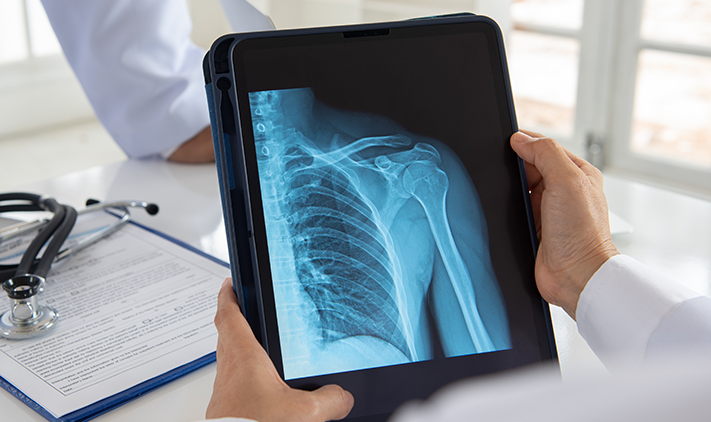
X-rays: While X-rays can’t show soft tissue damage, they can help identify issues like bone spurs or arthritis that could be contributing to the problem.
MRI (Magnetic Resonance Imaging): MRI scans are the most effective way to visualize soft tissue injuries like rotator cuff tears. They provide detailed images of the tendons, muscles, and other structures in the shoulder.
Ultrasound: Ultrasound imaging can also be used to assess the condition of the rotator cuff tendons in real time, allowing doctors to observe tendon movement and tears during shoulder motion.
In some cases, your doctor may also perform specific physical tests to evaluate the function of the rotator cuff muscles.
Risk Factors of a Rotator Cuff Tear
Certain factors increase the likelihood of developing a rotator cuff tear, including:
Age: As people age, the tendons in the rotator cuff naturally weaken and lose elasticity, increasing the risk of a tear. Rotator cuff tears are more common in individuals over the age of 40.
Repetitive overhead motions: People who engage in repetitive activities involving overhead motions—such as athletes (e.g., baseball players, tennis players) or workers in certain occupations (e.g., painters, construction workers)—are at a higher risk of developing rotator cuff tears.
Previous shoulder injuries: If you’ve previously injured your shoulder or experienced a strain, your rotator cuff may be more vulnerable to tears in the future.
Poor posture: Maintaining poor posture, especially with rounded shoulders, can put extra strain on the rotator cuff muscles, increasing the risk of tears.
Rotator Cuff Tear Treatment
Treatment for a rotator cuff tear depends on the severity of the injury, the patient’s age, activity level, and overall health.
Non-Surgical Treatments
For mild to moderate tears, non-surgical treatments may be effective in managing pain and restoring function. These include:
Rest – Avoiding activities that exacerbate the pain, such as overhead movements or lifting heavy objects, allows the tendons to heal.
Ice Therapy – Applying ice to the shoulder helps reduce swelling and inflammation.
Physiotherapy – Targeted exercises aimed at strengthening the shoulder muscles and improving flexibility can help stabilize the shoulder joint.
Medications – Over-the-counter pain relievers can help manage pain and inflammation. In some cases, corticosteroid injections may be used for more severe pain.
Activity modification – Limiting or altering certain activities that place stress on the rotator cuff can reduce the risk of further damage and help with pain management.
Rotator Cuff Tear Surgery
If non-surgical treatments fail or if the tear is large or complicated, surgery may be necessary to repair the rotator cuff. There are different surgical options, depending on the extent of the tear:
Arthroscopic Surgery – A minimally invasive procedure where small incisions are made, and a camera is used to guide the surgeon in repairing the tear. This procedure typically has a shorter recovery time and less postoperative pain compared to traditional open surgery.
Open surgery – In cases where the tear is extensive or complex, open surgery may be required to directly access the rotator cuff tendons. This procedure involves a larger incision but may be necessary for significant tears.
Tendon transfer – If the tendon is severely damaged and cannot be repaired, a tendon from another area of the body may be used to replace the damaged rotator cuff tendon.
Post-surgery, patients will need to follow a rehabilitation programme, including physiotherapy, to regain strength, flexibility, and function in the shoulder.
Can a Rotator Cuff Tear Be Prevented?
While some factors contributing to rotator cuff tears, such as age and genetics, cannot be avoided, there are steps that can reduce the risk of developing a tear:
Strengthening the shoulder muscles – Regular exercises that target the rotator cuff muscles and surrounding shoulder muscles can improve stability and prevent injuries.
Proper technique – Using correct form during physical activities, especially those involving overhead motions, can reduce the risk of injury.
Stretching – Incorporating regular stretching routines into your fitness program can help maintain flexibility and prevent tightness in the shoulder.
Rest – Allowing adequate recovery time between activities, particularly for individuals engaged in repetitive motions, helps reduce strain on the shoulder muscles and tendons.
START YOUR CARE JOURNEY
Contact Us Today
For more information about our services, or to make an appointment, please reach out to us. We will get back to you as soon as possible.
Many small to moderate rotator cuff tears can heal with conservative treatments like rest, physiotherapy, and medications. However, larger tears or those that don’t improve with non-surgical approaches may require surgery to fully repair the injury.
Recovery from rotator cuff surgery varies, but most people can expect a healing period of 4 to 6 months. The first few weeks typically involve a period of rest and immobilization, followed by physiotherapy to restore strength and flexibility. Full recovery can take up to a year, depending on the severity of the tear and the type of surgery performed.
Lifting weights after a rotator cuff tear should be done carefully and with guidance from a doctor. Early in recovery, it’s essential to avoid heavy lifting or overhead movements. As strength improves, light weights may be gradually introduced under supervision to prevent re-injury.
A partial tear means that the tendon is damaged but not completely torn, often resulting in pain and weakness. A complete tear, on the other hand, involves a full rupture of the tendon, which may result in more significant pain, loss of function, and potential long-term disability. Complete tears often require surgery to repair.
Yes, poor posture can contribute to rotator cuff injuries. When the shoulders are rounded forward or held in an improper position for long periods, it can strain the rotator cuff muscles, making them more susceptible to tears, especially during overhead movements.
While rotator cuff tears are more common in older adults, they can occur in younger individuals, particularly athletes or those who engage in repetitive overhead motions. Trauma or sudden injury, such as falling or lifting something heavy, can also cause a rotator cuff tear in younger people.