CONDITIONS

Orthopaedic Trauma

What is Orthopaedic Trauma?

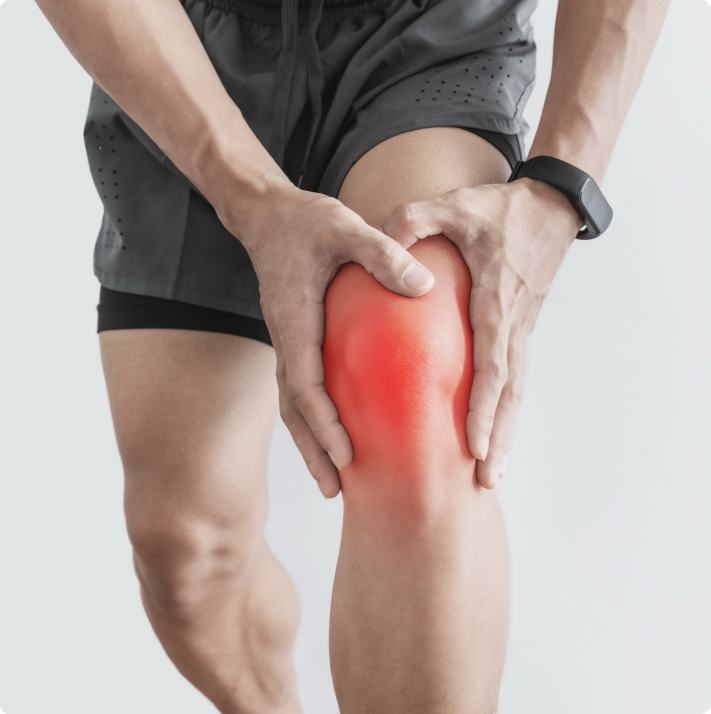
Orthopaedic trauma involves injuries to the musculoskeletal system caused by external forces such as falls, accidents, or direct blows. These injuries can affect different parts of the body, including the spine, arms, legs, and pelvis.

While some cases are minor and can be treated with rest and immobilization, others may require surgical intervention, rehabilitation, or long-term medical management. Orthopaedic trauma specialists play a key role in diagnosing and managing these injuries, ensuring that patients regain function and mobility.
Types of Orthopaedic Trauma Injuries

Orthopaedic trauma can present in various forms, including:

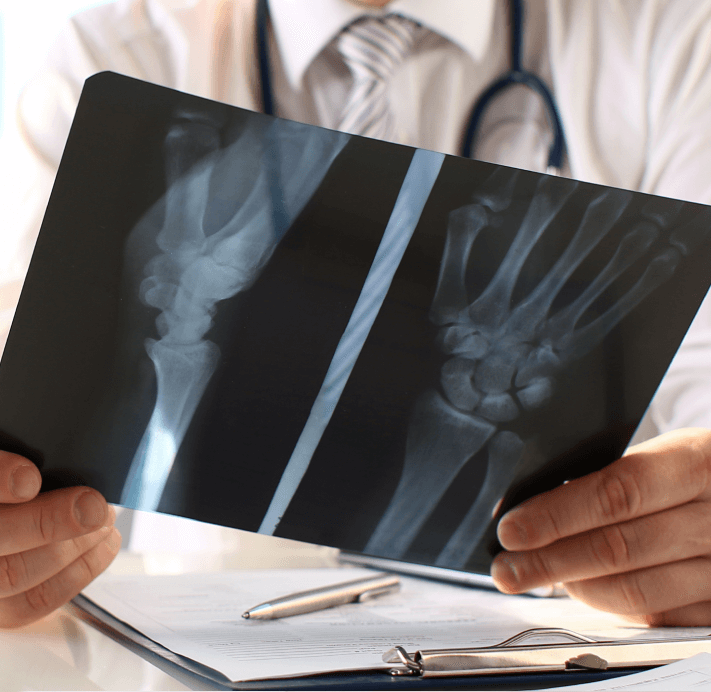
A fracture occurs when a bone is partially or completely broken due to high-impact trauma, stress, or disease. Fractures can be classified into:

  • Closed (Simple) Fracture – The bone breaks without piercing the skin.
  • Open (Compound) Fracture – The broken bone punctures the skin, increasing the risk of infection.
  • Comminuted Fracture – The bone shatters into multiple pieces.
  • Greenstick Fracture – A partial break common in children, where the bone bends and cracks.

A dislocation occurs when a joint is forced out of its normal position, often due to high-impact trauma or sudden twisting movements. This is common in the shoulders, knees, hips, and fingers. Dislocations can cause severe pain, swelling, and immobility and require urgent medical attention.

Soft tissue injuries affect ligaments, tendons, and muscles.

  • Sprains occur when ligaments (which connect bones) are stretched or torn, commonly affecting the ankles, knees, and wrists.
  • Strains involve muscle or tendon overstretching, often seen in the lower back and hamstrings.

Severe accidents can result in the partial or complete loss of a limb, requiring emergency surgery and, in some cases, prosthetic rehabilitation.

Trauma to the spine can cause serious complications, including nerve damage, paralysis, or loss of sensation. These injuries are often life-altering and require long-term medical care.

Fractures or dislocations of the pelvis are often caused by high-impact trauma, such as car accidents or falls from heights. These injuries may require surgery and extensive rehabilitation.

Risk Factors for Orthopaedic Trauma

Certain factors increase the likelihood of sustaining orthopaedic trauma, including:

  • High-Risk Activities – Contact sports, extreme sports, and physical labour increase the chance of injuries.
  • Age – Elderly individuals have a higher risk of fractures due to osteoporosis and balance issues.
  • Medical Conditions – Conditions like osteoporosis, arthritis, and diabetes can weaken bones and joints, making injuries more likely.
  • Workplace Hazards – Construction sites, factories, and physically demanding jobs increase the risk of orthopaedic trauma.
  • Vehicle Accidents – Car and motorcycle crashes are leading causes of severe fractures, dislocations, and spinal injuries.
  • Poor Nutrition – Lack of calcium and vitamin D can weaken bones, increasing fracture risk.
  • Lack of Physical Fitness – Weak muscles and poor balance increase the risk of falls and injuries.

Signs and Symptoms of Orthopaedic Trauma

Orthopaedic trauma presents with various symptoms depending on the type and severity of the injury. Common signs include:

  • Severe pain at the injury site
  • Visible deformity or misalignment of bones or joints
  • Numbness or tingling, indicating nerve involvement
  • Weakness or instability in the affected limb or joint
  • Swelling, bruising, and tenderness
  • Inability to move or bear weight on the affected area
  • Open wounds to the point of exposing the bone

If any of these symptoms are present, immediate medical evaluation is necessary to prevent complications.

If you’ve gotten an acute traumatic injury, please reach out to us for immediate treatment.

CALL US WHATSAPP

How is Orthopaedic Trauma Treated?

The treatment of orthopaedic trauma depends on the severity and location of the injury. Common treatment approaches include:

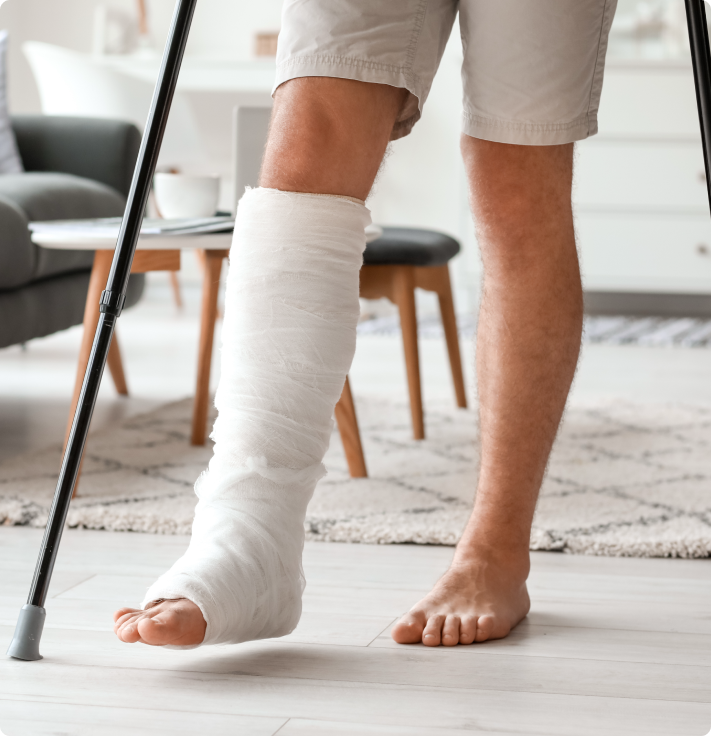
For minor fractures, sprains, and strains, immobilization using splints, casts, or braces helps restrict movement, allowing the affected area to heal properly.

Pain relievers, anti-inflammatory drugs, and antibiotics (for open fractures) help manage symptoms and prevent infections.

For dislocations and some fractures, doctors may manually realign the bones or joints before applying a cast or splint to hold them in place.

Severe fractures, dislocations, and ligament injuries may require surgical intervention, such as:

  • Open Reduction and Internal Fixation (ORIF) – Uses metal plates, screws, or rods to stabilize fractured bones.
  • External Fixation – A temporary framework outside the body to hold bones in place.
  • Joint Reconstruction or Replacement – Used for severe joint injuries or arthritis-related damage.

Once the initial healing phase is complete, physiotherapy helps restore strength, flexibility, and function. This is especially important for joint injuries, fractures, and spinal injuries.

When to Seek Medical Attention

Immediate medical attention is required if:

  • There is severe pain, swelling, or deformity
  • The injured area is numb or tingling, indicating nerve damage
  • You are unable to move or bear weight on the affected limb
  • There is an open wound with exposed bone
  • The injury was caused by a high-impact accident
  • Symptoms worsen despite rest and initial treatment

Delaying treatment can lead to complications, including improper healing, chronic pain, and potentially long-term disability.

How to Prevent Orthopaedic Trauma

While not all injuries can be avoided, several measures can reduce the risk of orthopaedic trauma:

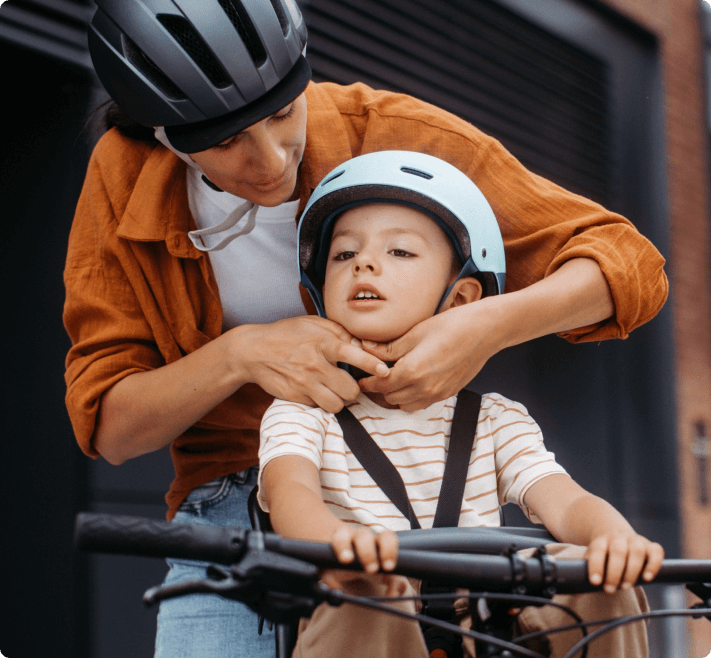
  • Wear Protective Gear – Helmets, knee pads, and appropriate footwear help prevent injuries during sports and physical activities.
  • Practice Safe Movement – Use proper techniques when lifting heavy objects and avoid sudden, excessive force on joints and muscles.
  • Maintain Strong Bones and Muscles – A balanced diet rich in calcium and vitamin D, along with regular strength training, keeps bones healthy.
  • Stay Physically Active – Regular exercise improves balance, coordination, and muscle strength, reducing fall risks.
  • Be Cautious in Hazardous Environments – Use handrails, ensure adequate lighting, and remove tripping hazards in homes and workplaces.
  • Follow Traffic Safety Rules – Wear seat belts, avoid speeding, and follow road safety guidelines to prevent motor vehicle accidents.
  • Manage Medical Conditions – Proper treatment of osteoporosis, arthritis, and other musculoskeletal conditions can reduce the likelihood of fractures and joint injuries.
START YOUR CARE JOURNEY
Contact Us Today

For more information about our services, or to make an appointment, please reach out to us. We will get back to you as soon as possible.

Call us
+65 6253 7111
Whatsapp us
+65 8828 7111

Frequently Asked Questions

If you experience intense pain, swelling, bruising, or difficulty moving the affected area, it’s a sign that the injury may be serious. Other indicators include visible deformities, numbness, or tingling, which could point to nerve or vascular involvement. It’s always best to get checked by a doctor to avoid further damage.

Recovery time depends on the type and severity of the injury. For mild injuries like sprains, it may take a few weeks to heal, while more severe fractures or ligament tears could take several months. Following your doctor’s recovery plan and doing physical therapy can help speed up the process and restore normal function.

Surgery is considered when non-surgical treatments, like rest, ice, or physical therapy, don’t provide relief or when the injury involves a severe break or dislocation that won’t heal properly without intervention. Your doctor will guide you on whether surgery is the best option based on your injury’s severity and recovery goals.

Rehabilitation, primarily through physiotherapy, is essential to regain strength, mobility, and flexibility after an injury. It helps to prevent long-term complications such as muscle weakness or joint stiffness. Physiotherapists will tailor exercises to help you recover and safely return to your normal activities.

Pain management typically involves over-the-counter pain relievers like NSAIDs, applying ice to the injured area, and elevating it to reduce swelling. Your doctor may also recommend stronger medications or treatments, such as physical therapy or injections, depending on the severity of the injury.

During recovery, it’s important to avoid any activities that could put stress on the injured area or delay healing, such as high-impact exercises, sports, or lifting heavy objects. Your doctor or physiotherapist will provide specific guidelines on when it’s safe to gradually return to your normal routine.