Sports Medicine

Team and Event Medicine

What is Team and Event Medicine?

Team and Event Medicine is a specialised area of sports medicine focused on providing medical care, injury prevention, and emergency response for athletes and participants during team sports, competitions, and sporting events. It involves on-site medical coverage, injury management, and performance monitoring to ensure athlete safety and well-being.

The Importance of Team & Event Medicine

  • Ensures athlete safety before, during, and after competition
  • Reduces the risk of serious complications from injuries
  • Improves performance & recovery through expert medical guidance
  • Provides immediate medical response to life-threatening emergencies

Team Medicine

Team medicine refers to the ongoing medical care of a sports team, often involving a sports medicine physician, athletic trainers, physical therapists, and other specialists.


Roles of a Team Physician

  • Pre-season medical screening: Identifying health risks, previous injuries, and fitness levels.
  • On-field injury assessment and treatment: Managing acute injuries during training and games.
  • Rehabilitation & return-to-play decisions: Ensuring safe recovery and preventing re-injury.
  • Concussion management: Evaluating, monitoring, and determining return-to-play timelines.
  • Performance optimisation: Providing advice on training loads, nutrition, hydration, and recovery
  • Emergency preparedness: Planning for serious injuries like fractures, cardiac events, or head trauma

When is a Team Physician Needed?

  • Professional and amateur sports teams (football, basketball, rugby, etc.)
  • Collegiate and high school teams that require dedicated medical staff
  • Olympic and national teams competing at an elite level

Event Medicine

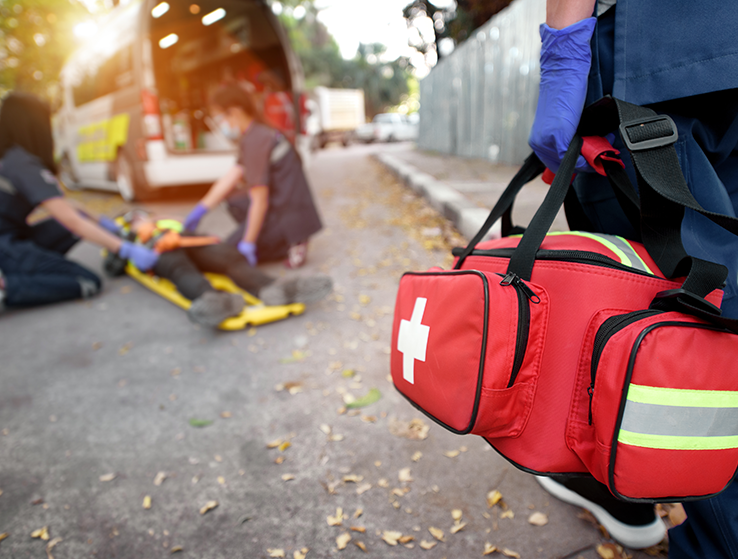
Event medicine focuses on providing medical coverage during sporting events to manage injuries, medical emergencies, and athlete health.

To find out more about our Team & Event Medicine expertise, please reach out to us today.

CALL US WHATSAPP

Roles of an Event Medicine Physician

  • Pre-event risk assessment – Identifying potential health and safety hazards.
  • On-site medical coverage – Treating injuries, dehydration, heat exhaustion, or cardiac issues.
  • Emergency response and triage – Handling severe injuries (fractures, concussions, cardiac arrest)
  • Collaboration with paramedics and hospitals – Ensuring quick transportation for critical cases
  • Recognising and managing environmental factors – Heat stress, altitude sickness, or cold exposure risks

When is an Event Medicine Physician Needed?

  • Marathons and triathlons – Dealing with dehydration, muscle cramps, or cardiac events
  • Extreme sports events – Handling trauma from high-impact activities (e.g., skiing, motocross).
  • Combat sports (boxing, MMA, wrestling) – Managing concussions, cuts, and sports injuries.
  • Team sports championships – Providing sideline coverage for tournaments
START YOUR CARE JOURNEY
Contact Us Today

For more information about our services, or to make an appointment, please reach out to us. We will get back to you as soon as possible.

Call us
+65 6253 7111
Whatsapp us
+65 8828 7111

Frequently Asked Questions

These physicians typically have backgrounds in sports medicine, emergency medicine, or orthopaedics. Many also undergo specialised training in concussion management, trauma care, and advanced life support techniques.

Team medicine involves continuous athlete care, including injury prevention, rehabilitation, and performance monitoring, whereas standard sports healthcare focuses more on treating injuries as they occur without ongoing team involvement.

Common injuries include sprains, strains, fractures, dislocations, concussions, dehydration, and heat-related illnesses. Quick response is essential to prevent complications and ensure a safe return to play.

Medical teams conduct risk assessments, set up on-site treatment areas, coordinate with paramedics and hospitals, and implement emergency action plans to respond to critical incidents like cardiac arrests or severe trauma.

Yes, physicians work closely with physical therapists and trainers to develop rehabilitation plans, manage pain, and use techniques like physiotherapy, hydration strategies, and recovery modalities to speed up healing.

It focuses on pre-season screenings, biomechanics assessments, strength and conditioning programmes, and education on injury prevention strategies to reduce the risk of overuse and acute injuries.