Sports Medicine

Sports Screening

What is Sports Screening?

Also known as a pre-participation examination (PPE), sports screening is a medical assessment performed before an athlete or physically active individual engages in sports or exercise. It helps identify potential health risks, pre-existing conditions, or injuries that could affect performance or lead to complications during physical activity.

What Can Sports Screening Help With?

  • Detecting heart problems (e.g., hypertrophic cardiomyopathy, arrhythmias) that could increase the risk of sudden cardiac arrest
  • Assessing for respiratory conditions like asthma that may require management during exercise
  • Evaluating neurological conditions such as a history of concussions or epilepsy
  • Screening for muscle imbalances, joint instability, or previous injuries that could increase the risk of future injuries
  • Identifying poor biomechanics or flexibility issues that may require corrective exercises
  • Assessing fitness levels, strength, and endurance to provide training recommendations
  • Evaluating nutrition and hydration to enhance performance
  • Identifying mental health concerns like anxiety, stress, or overtraining
  • Determining whether an athlete is fit to play or if further evaluation is needed
  • Advising on safe return to play after injuries or medical conditions
  • Recommending modifications to training plans for those with chronic conditions (e.g., diabetes, hypertension, arthritis)

What Does Sports Screening Involve?

  • Medical History: Previous injuries, illnesses, medications, family history of heart disease, etc.
  • Physical Examination: Checking heart, lungs, vision, joint mobility, and muscle strength
  • Cardiovascular Screening: Blood pressure check, pulse, ECG (electrocardiogram) and sometimes an echocardiogram for high-risk individuals
  • Musculoskeletal Assessment: Flexibility, strength, and posture evaluation
  • Fitness & Performance Testing (if needed): Strength, endurance, agility, and balance testing

For a detailed screening with a sports medicine doctor, please reach out to us today.

CALL US WHATSAPP

Why Do Sports Medicine Physicians Use Musculoskeletal Ultrasound?

Musculoskeletal ultrasound is a non-invasive, real-time imaging technique that sports medicine physicians use to evaluate, diagnose, and treat musculoskeletal injuries. It provides detailed images of muscles, tendons, ligaments, joints, and soft tissues, making it an essential tool in sports medicine.

Uses of MSK Ultrasound in Sports Medicine

  • Tendon Injuries: Identifies tendinitis, tendinosis, and tendon tears (e.g., Achilles, rotator cuff, patellar tendon)
  • Muscle Strains & Tears: Detects muscle injuries, hematomas, and scar tissue
  • Ligament Injuries: Evaluates sprains or tears (e.g., ankle, knee, elbow ligaments)
  • Joint Disorders: Assesses joint effusion, synovitis, bursitis, and cartilage damage
  • Nerve Entrapment: Helps diagnose conditions like carpal tunnel syndrome or cubital tunnel
  • Fractures & Stress Fractures: Can sometimes detect fractures not visible on X-rays

Unlike MRI or X-ray, MSK ultrasound allows physicians to:

  • Assess movement-related pain by imaging joints and tissues in motion
  • Check the stability of ligaments and tendons under stress testing
  • Guide rehabilitation progress by monitoring tissue healing

Sports medicine physicians are trained in using ultrasound to improve the accuracy and effectiveness of treatments, including:

  • Corticosteroid Injections – Targeting inflammation in joints, tendons, or bursae.
  • Platelet-rich plasma (PRP) and Prolotherapy – Delivering regenerative treatment to injured tissues
  • Needling for Tendon Issues (Tenotomy, Dry Needling) – Treating chronic tendinopathy
  • Aspiration of Fluid (Joint Effusion/Bursitis) – Draining excess fluid from swollen joints
  • High-volume injections – To break up scar tissue and areas of restriction
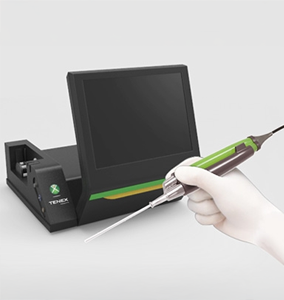
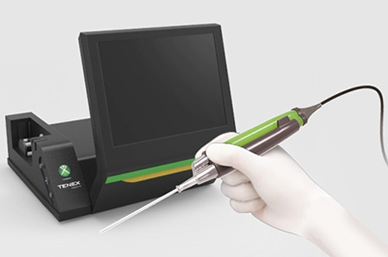
  • Tenex treatments – Treating chronic tendon disease and plantar fasciitis
  • Identifying early signs of overuse injuries before they worsen
  • Monitoring muscle and tendon adaptation in athletes during training

Why MSK Ultrasound is Valuable in Sports Medicine

  • Real-time imaging allows for immediate assessment in the clinic setting
  • It is a non-invasive, radiation-free, and cost-effective compared to MRI or CT scans
  • It is a portable method of imaging and can be used on the sidelines or in clinics
  • Ultrasound allows dynamic assessment during movement, unlike static imaging
START YOUR CARE JOURNEY
Contact Us Today

For more information about our services, or to make an appointment, please reach out to us. We will get back to you as soon as possible.

Call us
+65 6253 7111
Whatsapp us
+65 8828 7111

Frequently Asked Questions

Sports screening is recommended for athletes of all levels, including professionals, amateurs, and school athletes. It’s also beneficial for individuals starting a new exercise program or recovering from past injuries.

Athletes should undergo screening annually or before each new season. Those with pre-existing conditions or previous injuries may require more frequent evaluations to ensure safe participation.

Yes, cardiovascular screening can help detect conditions like arrhythmias or hypertrophic cardiomyopathy, which may increase the risk of sudden cardiac arrest during intense physical activity.

If any issues are detected, further tests or specialist referrals may be recommended. Some conditions may require treatment, rehabilitation, or modifications to training before resuming sports.

No, sports screening is beneficial for anyone engaging in physical activity, from weekend warriors to fitness enthusiasts. It helps prevent injuries and ensures a safe and effective workout routine.

Many screenings assess mental well-being, stress levels, and overtraining risks. Psychological factors can significantly impact performance, recovery, and overall athletic success.