services

Shoulder Replacement Surgery in Singapore

What is Shoulder Replacement Surgery?

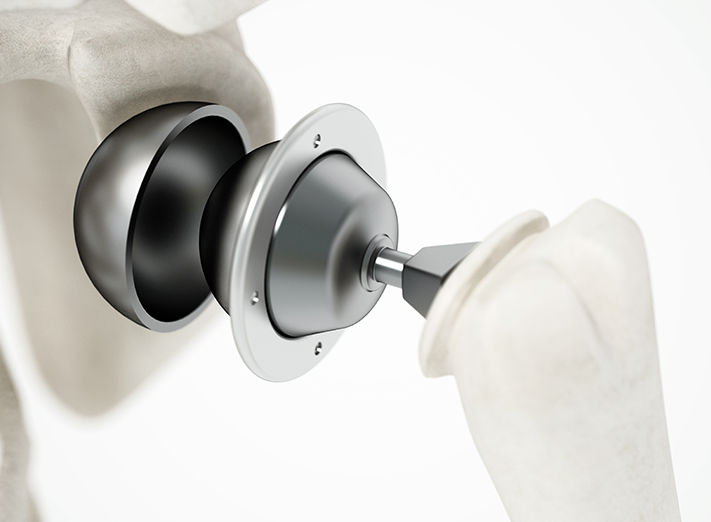
Shoulder replacement surgery, also known as shoulder arthroplasty, is a procedure where a damaged or diseased shoulder joint is replaced with an artificial implant. This surgery is performed to relieve pain, restore function, and improve mobility for individuals suffering from severe arthritis, fractures, or other shoulder conditions. The procedure involves removing damaged bone and cartilage and replacing them with prosthetic components made of metal and plastic to replicate normal joint movement.

When is Shoulder Replacement Surgery Needed?

Shoulder replacement is typically considered when:

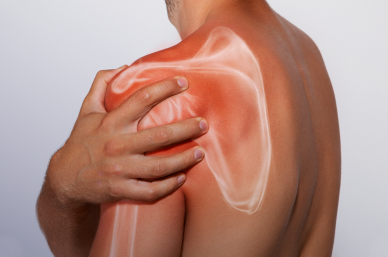
  • Severe shoulder pain interferes with daily activities such as lifting, reaching, or even sleeping
  • Conservative treatments like physiotherapy, medications, and injections no longer provide relief
  • Imaging tests such as X-rays or MRI scans show significant joint damage or degeneration
  • The shoulder joint is severely deformed, limiting mobility and causing chronic discomfort
  • The patient’s quality of life is significantly affected due to ongoing pain and restricted movement


To determine if shoulder replacement surgery is the right option for you, schedule a consultation with a specialist for a thorough evaluation and treatment plan.

CALL US WHATSAPP

What Can Shoulder Replacement Treat?

Shoulder replacement surgery is used to treat the following conditions:

A degenerative joint condition where the cartilage in the shoulder wears down over time, causing stiffness and pain

An autoimmune disorder that leads to chronic inflammation of the shoulder joint, resulting in pain and joint damage

A type of arthritis that develops after a significant shoulder injury, such as a fracture or dislocation

Severe arthritis that occurs after a long-standing rotator cuff tear, leading to pain and weakness

A condition where the blood supply to the shoulder bone is disrupted, causing bone tissue death and joint collapse

Complex fractures of the shoulder joint that may not heal properly with non-surgical treatments

Types of Shoulder Replacement Surgery

Different types of shoulder replacement procedures are available, depending on the severity of the condition:

  • Total Shoulder Replacement (TSR): Both the humeral head (ball) and the glenoid (socket) are replaced with artificial components to restore joint movement.
  • Partial Shoulder Replacement (Hemiarthroplasty): Only the humeral head is replaced while preserving the natural socket. This is often recommended for certain fractures or arthritis cases.
  • Reverse Shoulder Replacement: The normal ball-and-socket structure of the shoulder is reversed, placing the ball on the socket side and vice versa. This is often used for severe rotator cuff damage or complex arthritis.
  • Revision Shoulder Replacement: A secondary surgery performed when a previous shoulder replacement fails due to implant wear, infection, or dislocation.

How to Prepare for Shoulder Replacement Surgery

Proper preparation ensures a smooth surgery and recovery process:

  • Medical Evaluation – A full assessment, including blood tests, imaging, and a health review, to confirm surgical suitability.
  • Exercise & Physiotherapy – Preoperative exercises help strengthen the shoulder muscles and improve postoperative recovery.
  • Medication Adjustment – Certain medications, especially blood thinners and anti-inflammatory drugs, may need to be stopped before surgery.
  • Home Preparation – Arrange for assistance at home, set up a comfortable recovery space, and prepare easy-to-access daily necessities.
  • Fasting Guidelines – Patients are typically required to fast for several hours before surgery.

How is Shoulder Replacement Performed?

General anesthesia or regional nerve block is administered to ensure a pain-free procedure.

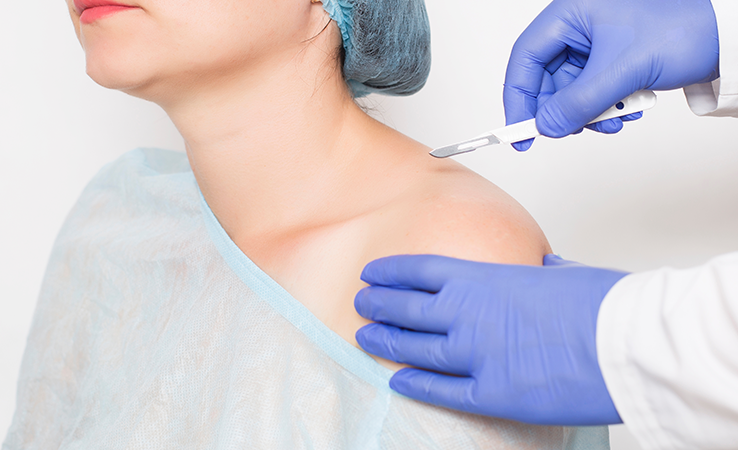
A surgical cut is made over the shoulder, exposing the joint.

Damaged bone and cartilage are removed to accommodate the artificial implant.

The prosthetic components are positioned and secured to replicate the natural joint function.

The incision is stitched, and the patient is monitored before starting rehabilitation.

Recovering from Shoulder Replacement

Recovery involves a structured rehabilitation process:

  • Hospital Stay – Patients typically stay in the hospital for 1-3 days post-surgery
  • Pain Management – Medications and cold therapy help control discomfort and swelling
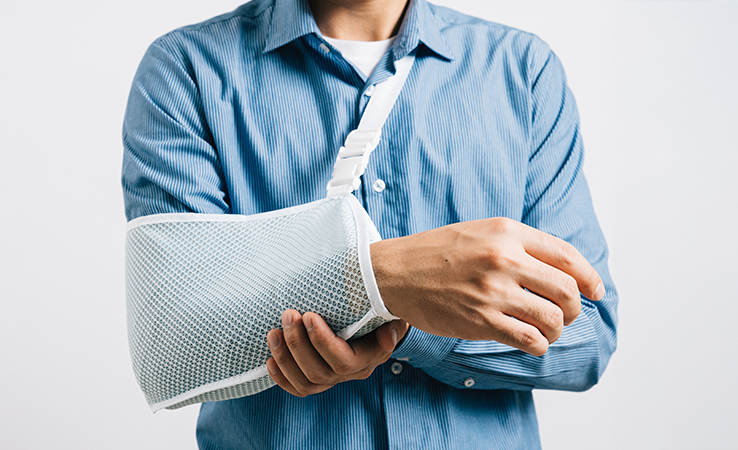
  • Immobilization – The arm is placed in a sling for several weeks to aid healing
  • Physiotherapy – Gradual exercises begin early to restore strength and mobility
  • Follow-Up Appointments – Regular check-ups with the shoulder surgeon ensure proper healing and implant function

When Can I Resume Normal Activities?

  • Driving – Most patients can drive around six weeks after surgery, depending on shoulder mobility and comfort.
  • Flying – Short flights are possible after four to six weeks, but long-haul travel should be avoided for at least six weeks to reduce the risk of complications.
  • Returning to Work – Sedentary jobs may allow return in six to eight weeks, while physically demanding work may require three to six months.

Risks of Shoulder Replacement Surgery

Although highly effective, shoulder replacement surgery carries some risks (although these are rare in the hands of an experienced surgeon):

  • Infection – Bacterial infections may occur in the surgical site or implant.
  • Blood Clots – Clots in the arms or legs can develop and travel to the lungs.
  • Implant Wear or Loosening – Over time, the artificial components may wear out or become unstable.
  • Nerve or Blood Vessel Damage – Surrounding nerves or vessels may be injured during surgery.
  • Limited Range of Motion – Some patients may not regain full flexibility despite rehabilitation.
  • Anaesthesia Complications – Potential allergic reactions or breathing difficulties during the procedure.

Am I a Suitable Candidate for Shoulder Replacement Surgery?

If shoulder pain is severe, persistent, and non-responsive to medications or physiotherapy, you may be a good candidate. Those struggling with daily activities and experiencing joint degeneration on imaging tests should consider consulting an orthopaedic surgeon for personalised advice.

Who is Not Suitable for Shoulder Replacement Surgery?

Patients with active infections, severe nerve disorders, uncontrolled medical conditions like heart disease, or extreme shoulder weakness may not be ideal candidates. A thorough medical evaluation is required to determine eligibility.

START YOUR CARE JOURNEY
Contact Us Today

For more information about our services, or to make an appointment, please reach out to us. We will get back to you as soon as possible.

Call us
+65 6253 7111
Whatsapp us
+65 8828 7111

Frequently Asked Questions

No, age is not a limiting factor as long as you are in good general health. Many elderly individuals undergo successful shoulder replacements and regain mobility with proper rehabilitation.

It is uncommon but possible in specific cases. However, it involves a more challenging recovery process and requires significant assistance for daily tasks during the initial healing phase.

Pain varies from person to person, but modern anesthesia and pain management techniques significantly reduce discomfort. Post-surgery rehabilitation also plays a key role in easing pain and restoring function.

Most implants last 15-20 years, depending on activity level, implant quality, and adherence to rehabilitation exercises. Longevity can be influenced by lifestyle choices and overall joint health.

While most patients experience significant improvement, full range of motion depends on pre-existing conditions, adherence to physiotherapy, and the type of shoulder replacement performed.

If non-surgical treatments still provide relief, delaying surgery may be an option. However, postponing too long can lead to further joint deterioration and decreased quality of life.