


Dr Alan Cheung
Senior Consultant Orthopaedic Surgeon in Singapore
MBBS (London), MRCS (England), FRCS (Trauma and Orthopaedics, England), Diploma in Sport and Exercise Medicine (UK), Fellow of the European Board of Orthopaedics and Traumatology, American Academy of Orthopaedic Surgeons (AAOS)
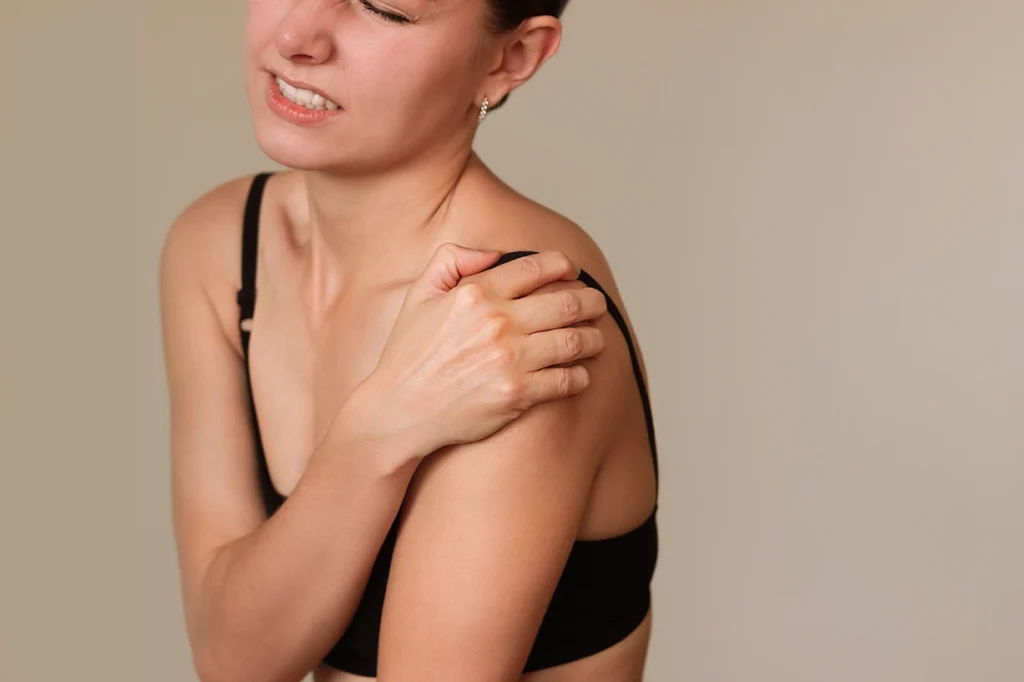
A shoulder that has dislocated once may remain stable after recovery, while another may dislocate repeatedly. This difference is influenced by factors such as the patient’s age and activity demands, as well as the damage caused by the initial injury.
Recurrent dislocations usually reflect ongoing shoulder instability. Understanding why this develops can help identify patients at greater risk and guide decisions about rehabilitation or shoulder dislocation surgery.
How Does a Shoulder Dislocation Recur?
A shoulder that has dislocated once is at risk of dislocating again, although recurrence is not inevitable. Damage to the structures that stabilise the joint can leave the shoulder more vulnerable to further episodes. However, if the structures that stabilise the joint do not fully recover or sustain significant damage during the initial injury, the shoulder may remain unstable. This instability allows the ball of the upper arm to slip partially or completely out of the socket more easily than before, resulting in recurrent shoulder dislocations. Understanding how this cycle develops helps explain why some patients experience repeated episodes while others recover without further problems.
Damage to the Shoulder’s Stabilising Structures
During a shoulder dislocation, the labrum and other soft tissues that help stabilise the joint may become stretched or torn. These tissues normally act as restraints that prevent the humeral head from moving excessively within the socket. Depending on the extent of the injury and healing, the shoulder may remain unstable after the initial dislocation. Some patients may also experience subluxations, where the joint partially slips out of position before returning.
Less Force May Be Needed With Each Episode
The first shoulder dislocation often results from significant trauma, such as a fall or sporting injury. Once the shoulder has become unstable, however, subsequent dislocations may occur with much less force. Once recurrent instability has developed, another episode may sometimes occur during movements or activities that involve considerably less force than the initial injury.
What Increases the Risk of Recurrent Shoulder Dislocation?
The risk of another dislocation varies between patients. Age, sporting demands and the extent of damage from the initial injury can all influence the likelihood of recurrent instability and may affect treatment decisions.
Younger Age at the Time of Injury
Age is one of the strongest predictors of recurrent shoulder dislocations. Younger patients, particularly teenagers and adults under 30, generally have a higher risk of recurrence than older individuals. Younger age at the time of a first traumatic shoulder dislocation is associated with a higher risk of recurrent instability. Sporting demands and the type of activity the patient intends to return to are considered separately when assessing that risk and planning treatment.
Participation in Contact or Overhead Sports
Returning to contact, collision or overhead sports can place substantial demands on a shoulder after dislocation. The type of sport, position played and movements involved are therefore considered when planning rehabilitation and assessing recurrence risk.
The Extent of Soft Tissue and Bone Damage
The severity of damage sustained during the initial shoulder dislocation also affects the likelihood of recurrence. Significant labral injury or bone loss involving the glenoid or humeral head can reduce shoulder stability and influence the risk of recurrence. Patients with more extensive structural injuries are generally at greater risk of recurrent instability and may require more than rehabilitation alone to restore long-term shoulder function.
Previous Shoulder Dislocations
A history of multiple shoulder dislocations increases the likelihood of future episodes. Each recurrence may further stretch the stabilising tissues or cause additional damage to the joint, making the shoulder progressively less stable over time. This cycle can make recurrent dislocations easier to trigger and may influence whether shoulder dislocation surgery is recommended to restore stability and reduce the risk of further injury.

How Is Recurrent Shoulder Instability Managed?
Management after a shoulder dislocation depends on the injury pattern and the patient’s risk of recurrent instability. While many first-time dislocations are treated without surgery, some patients may benefit from surgical stabilisation depending on their injuries and functional demands.
Rehabilitation After a Shoulder Dislocation
After reduction, a period of rehabilitation may be recommended to restore movement and strengthen the muscles that support the shoulder. The programme and timing of progression depend on the injury and the patient’s functional demands.
Identifying Patients Who May Benefit From Early Surgery
Not all shoulder dislocations are managed in the same way. Patients who are young, highly active or have significant soft tissue or bone injuries may have a greater risk of recurrent instability. Through clinical assessment and imaging, a shoulder specialist can assess whether surgical stabilisation should be considered rather than non-surgical management alone.
Managing Recurrent Instability
Repeated dislocations can be associated with additional soft-tissue or bone damage over time. When instability persists, the specialist will consider the frequency of episodes, associated injuries and the patient’s activity demands when deciding whether further treatment, including surgery, may be appropriate.
Seek Treatment for Recurrent Shoulder Instability with Dr Alan Cheung
A second shoulder dislocation can indicate that the joint remains unstable after the initial injury. Assessing the pattern of instability and any associated damage can help determine whether rehabilitation remains appropriate or whether surgical stabilisation should be considered.
At International Orthopaedic Clinic, we provide a structured pathway from accurate diagnosis to personalised recovery. Dr Alan Cheung helps patients navigate treatment options with clarity, from conservative therapy to advanced interventional care. If you are experiencing persistent shoulder pain, instability or limited movement, book an appointment with us and reclaim your mobility today.
