


Dr Alan Cheung
Senior Consultant Orthopaedic Surgeon in Singapore
MBBS (London), MRCS (England), FRCS (Trauma and Orthopaedics, England), Diploma in Sport and Exercise Medicine (UK), Fellow of the European Board of Orthopaedics and Traumatology, American Academy of Orthopaedic Surgeons (AAOS)
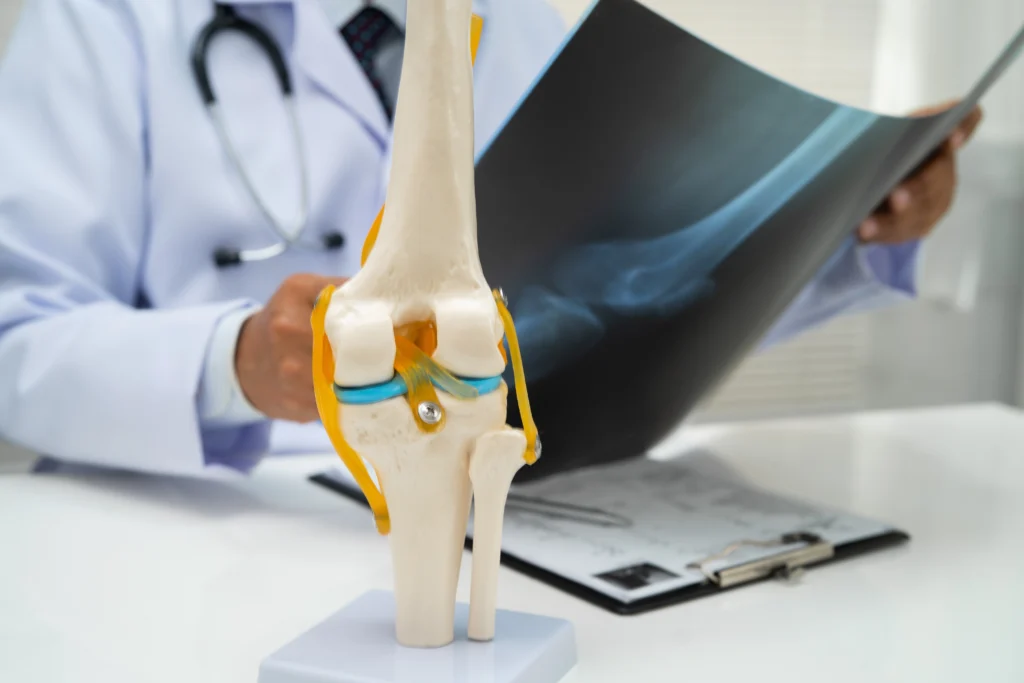
A fracture can look straightforward on an X-ray: a clear break in one area that needs time to heal. In practice, however, the impact of the injury is not always captured by the fracture line alone.
Recovery is often judged by whether the injured area can return to comfortable movement and function. When a fracture continues to interfere with everyday activities, the reason may involve a nearby joint or surrounding soft tissues as well as the bone itself.
When Does a Broken Bone Affect a Nearby Joint?
A fracture can also affect the structure or mechanics of a nearby joint. This is particularly relevant when the break reaches the joint surface or changes the position of the bones that form or support the joint.
When the Break Extends Into the Joint Surface
Some fractures extend into the articular surface, where two bones meet to form a joint. These are known as intra-articular fractures.
In these injuries, the alignment of the bone fragments matters not only for bone healing but also for how smoothly the joint surface can move. An uneven surface may change how pressure is distributed across the joint when it is used.
For this reason, assessment considers how accurately the joint surface is aligned rather than focusing only on whether the bone fracture is expected to unite.
How Alignment Can Affect Joint Movement and Stability
A fracture does not have to pass directly through a joint surface to influence how that joint works. A break close to the joint can alter the position or angle of the bone, which may change the way the joint moves or bears weight.
The importance of alignment therefore depends partly on where the fracture occurs and how much the position of the bone has changed. A break close to a joint, for example, may have different functional implications from a fracture farther along the shaft of the same bone.
What Else Can Be Injured When a Bone Breaks?
The same trauma that causes a fracture can also injure nearby structures involved in movement and joint stability. What is affected depends partly on how the injury occurred and the forces placed on the area at the time.
Ligament and Tendon Injuries
Ligaments connect bones and help keep joints stable, while tendons connect muscles to bones and allow muscle force to produce movement. Either structure may be injured during the same event that causes a fracture.
A twisting injury around a joint, for example, can place stress on the supporting ligaments as the bone breaks. If a ligament is significantly damaged, the joint may remain unstable even after the fracture itself has become more secure.
Tendon injury can create a different problem. If the tendon responsible for a particular movement is damaged, function may remain limited even as the fracture heals.
Muscle and Other Soft-Tissue Damage
Muscles and soft tissues around the fracture can also be bruised, strained or otherwise injured during the initial trauma. These injuries may contribute to pain, reduced strength or difficulty moving the affected area during recovery.
As activity gradually increases, lingering soft-tissue symptoms can continue to limit progress even when the fracture itself is becoming stable.
These surrounding structures may need closer assessment when the loss of function seems greater than expected from the fracture alone.
Why Can Recovery Involve More Than Bone Healing?
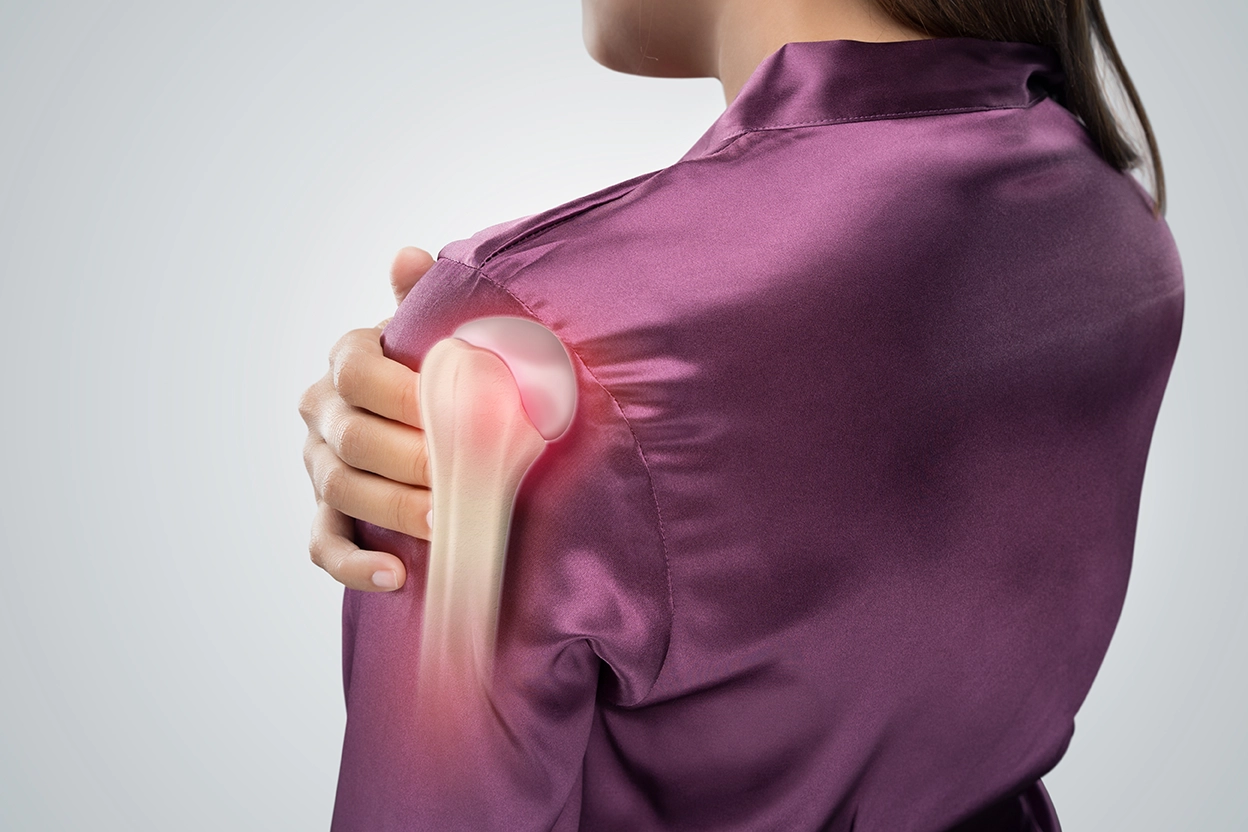
Once the fracture has started to unite, the focus of recovery gradually shifts. The question is no longer only whether the bone is healing, but whether the affected part of the body is regaining useful movement and strength.
Joint Stiffness After Reduced Movement
A joint may become stiff when movement has been restricted during the early stages of fracture healing. The longer or more severely movement has been limited, the more noticeable this loss of mobility may become.
Immobilisation or temporarily changing the way an injured limb is used can also affect nearby joints. After a lower-limb fracture, for instance, altered walking or reduced movement may contribute to stiffness in nearby joints.
As the fracture becomes sufficiently stable, restoring appropriate movement may therefore become an important part of recovery.
Muscle Weakness and Reduced Function
Muscle strength can decrease when an injured limb is used less than usual. Even after the bone has gained stability, activities that previously felt straightforward may require more effort until strength and control improve.
The functional demands also differ between individuals. Comfortable walking may represent an important milestone for one person, while another may need enough strength and control to return to a physically demanding occupation or sport.
Recovery from fractures therefore needs to be considered in relation to the activities the injured area must eventually perform.
When Ongoing Limitations Need Further Assessment
Progress is not always determined solely by what an X-ray shows. If useful movement remains noticeably limited despite expected bone healing, further assessment may help determine whether something beyond the fracture itself is affecting recovery.
The limitation may come from joint stiffness, soft-tissue injury or another consequence of the original trauma. This is particularly relevant when recovery stops progressing or previously improving activities become difficult again.
Get Your Fracture Recovery Assessed at International Orthopaedic Clinic
When the fracture appears to be healing but movement or function remains limited, the next step is to identify what is still holding recovery back. An orthopaedic assessment can help determine whether the problem relates to the bone itself or to the surrounding joint and soft tissues, so further care can address what is limiting your recovery.
At International Orthopaedic Clinic, fracture care can include reviewing how the injury is healing and whether an associated injury is affecting recovery. Dr Alan Cheung is a Senior Consultant Orthopaedic Surgeon with specialist training in trauma and orthopaedics, along with qualifications in sport and exercise medicine. If your recovery remains limited despite expected bone healing, book an appointment to assess what may still be affecting your movement or function.
