


Dr Alan Cheung
Senior Consultant Orthopaedic Surgeon in Singapore
MBBS (London), MRCS (England), FRCS (Trauma and Orthopaedics, England), Diploma in Sport and Exercise Medicine (UK), Fellow of the European Board of Orthopaedics and Traumatology, American Academy of Orthopaedic Surgeons (AAOS)
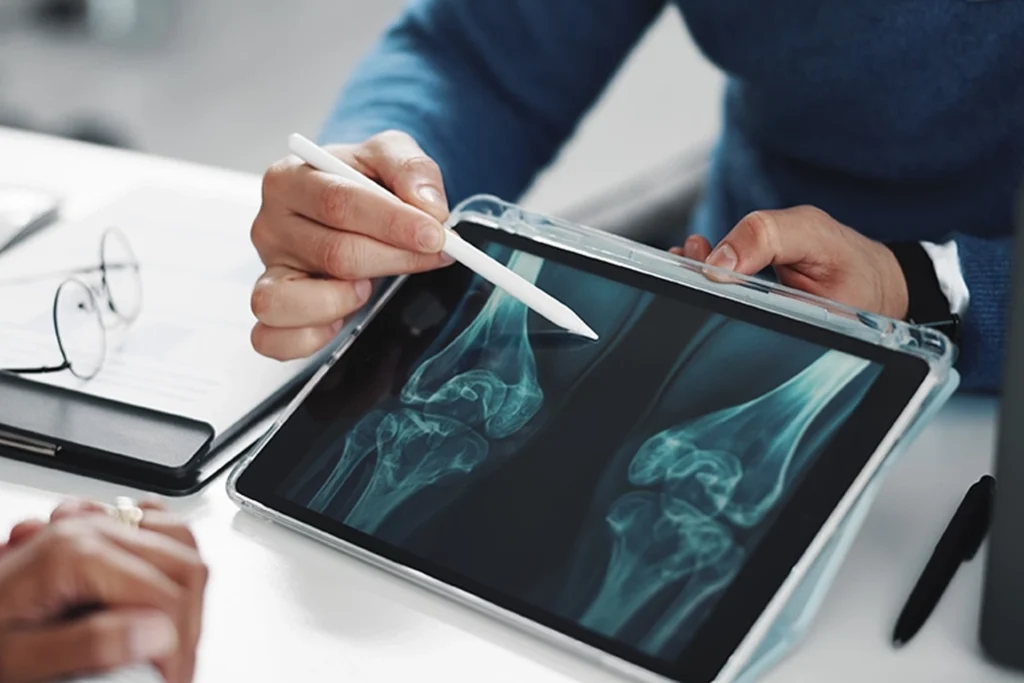
Feeling well does not always mean that your bones are healthy. Osteoporosis can develop gradually without causing pain or other obvious symptoms, allowing bone strength to decline unnoticed.
For some people, the condition only becomes apparent after a fracture caused by a simple fall or relatively minor injury. In these cases, the fracture may be the first sign that the bone had already become weaker than expected.
Why Can Osteoporosis Develop Without Obvious Warning Signs?
Bone tissue is continually broken down and rebuilt. With osteoporosis, this balance shifts so that bone gradually becomes less dense and more fragile. These structural changes can occur well before there is anything noticeable in daily life.
Bone Loss Does Not Usually Cause Pain on Its Own
The changes in bone caused by osteoporosis are not usually painful in themselves. Pain is more likely to develop when osteoporosis leads to a complication, such as a fracture or vertebral compression fracture. Until then, the condition may remain unnoticed even as bone strength declines.
Everyday Movement May Remain Unaffected for a Long Time
Someone with osteoporosis may still be able to walk and carry out their usual activities without noticing a change in their physical function. Weakened bones may continue to cope with familiar daily demands, even though they are less able to withstand a fall or unexpected impact.
Remaining active and independent can therefore give the impression that bone health is fine. How easily someone moves does not reliably indicate how strong their bones are.
Why Can a Fracture Be the First Sign of Osteoporosis?
A fracture can sometimes reveal bone weakness that had not previously caused noticeable problems. The circumstances surrounding the injury can therefore provide useful information about whether the bone may have been more fragile than expected.
Weakened Bone May Fracture With Less Force
Osteoporosis reduces the strength of bone, making it less able to withstand forces that would not usually cause a break. As bone becomes more fragile, a relatively minor fall or impact may be enough to result in a fracture. This type of injury is often referred to as a fragility fracture.
Certain Fracture Patterns May Prompt Further Investigation
A hip or wrist fracture after a fall from standing height can prompt doctors to investigate osteoporosis, particularly in an older adult. Fractures of the pelvis or upper arm near the shoulder can also raise concern when the injury involves little force.
Doctors also consider whether the person has had previous fractures after minor injuries. A repeated pattern may suggest underlying bone fragility, making it important to assess bone health alongside the current fracture.
Some Osteoporotic Fractures May Be Less Obvious
Osteoporotic fractures do not always present as an immediately obvious broken wrist or hip. Vertebral compression fractures, which affect the bones of the spine, can sometimes develop with relatively little trauma and may not always be recognised when they first occur.
Depending on the fracture, a person may instead notice persistent back pain, a gradual loss of height or a change in posture. Investigation of these changes may then reveal a vertebral fracture and lead to further assessment of bone health.

Why Is It Important to Identify Osteoporosis After a Fracture?
Treating the fracture addresses the immediate injury, but it may not address the reason the bone fractured so easily. When osteoporosis is suspected, assessing the underlying bone health can help determine whether further steps are needed to reduce the likelihood of another fracture.
Further Assessment Can Help Identify Osteoporosis
A fracture may prompt further assessment when there is concern about underlying bone weakness. A DEXA scan uses low-dose X-rays to measure bone mineral density, usually at the hip and spine. The doctor interprets the results alongside how the fracture occurred, previous fractures and other risk factors. This broader assessment helps determine whether osteoporosis is present and whether treatment is appropriate.
Factors Contributing to Bone Loss May Need to Be Identified
Age-related changes and menopause commonly contribute to osteoporosis, while certain medical conditions or long-term medications can also weaken bones. Identifying these factors may reveal an underlying condition that needs treatment or a medicine that requires review by the prescribing doctor. Addressing an ongoing cause of bone loss can be an important part of care alongside osteoporosis treatment.
Osteoporosis Treatment Can Help Reduce Future Fracture Risk
Treatment may include medicines that slow bone loss or help build bone, depending on the person’s fracture risk and health. Adequate calcium and vitamin D intake also supports bone health. Exercises suited to the stage of fracture recovery can improve strength and balance, while practical measures to prevent falls can reduce the chance of another injury.
Look Beyond the Fracture to Identify Osteoporosis With Dr Alan Cheung
If you have broken a bone after a minor fall or impact and have not been checked for osteoporosis, ask whether a bone health review is needed. This can be discussed during fracture care, even if the injury is healing well.
At International Orthopaedic Clinic, patients can have their fracture and underlying bone health reviewed together. Dr Alan Cheungcan consider how the injury happened alongside your medical history and any bone density results to assess whether osteoporosis may have contributed to the fracture and whether further care is needed.
Book an appointment to review your bone health after a fracture and discuss whether further investigation or osteoporosis treatment may be appropriate.
