


Medically Reviewed by: Dr Alan Cheung
Senior Consultant Orthopaedic Surgeon in Singapore
MBBS (London), MRCS (England), FRCS (Trauma and Orthopaedics, England), Diploma in Sport and Exercise Medicine (UK), Fellow of the European Board of Orthopaedics and Traumatology, American Academy of Orthopaedic Surgeons (AAOS)
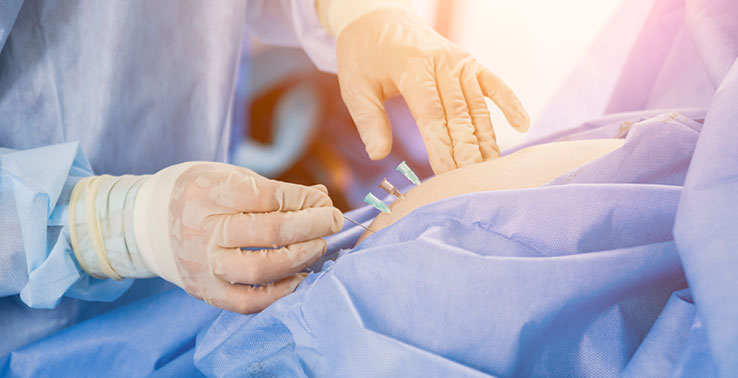
Hearing the word “surgery” can feel daunting. Many patients worry about how long recovery will take, how much pain to expect, how visible the scars will be and how much time they will need off work. For many bone, joint and soft-tissue problems, minimally invasive orthopaedic surgery offers an alternative, preferred approach. It uses smaller incisions and specialised instruments to treat the problem while disturbing as little of the surrounding tissue as possible.
Minimally invasive surgery is not the right choice for every patient or every condition, though. Knowing how it works, what it offers and where its limits lie will help you have a more informed conversation with your surgeon. Let us explore what you should know.
What is Minimally Invasive Orthopaedic Surgery?
In traditional open surgery, the surgeon makes a large incision so they can see and reach the affected bone, joint or tissue directly. This often means cutting through or moving aside muscles, tendons and other healthy structures.
Minimally invasive surgery reaches the same area through one or more small incisions, usually only a few millimetres to a few centimetres long. The surgeon then uses a camera and slim instruments to carry out the repair. Because less healthy tissue is disturbed, the body has less to heal after the operation.
Arthroscopic (Keyhole) Surgery
Arthroscopy is one of the most common minimally invasive techniques in orthopaedics. The surgeon inserts a thin camera called an arthroscope into the joint through a small incision. The camera sends magnified, high-definition images to a screen, giving clear visualisation of the inside of the joint. Instruments are then passed through other small openings to trim, repair or reconstruct damaged tissue.
Knee arthroscopy and shoulder arthroscopy are among the most widely performed keyhole procedures. Arthroscopy is also used for the hip, ankle, elbow and wrist.
Mini-Open and Percutaneous Techniques
Not every minimally invasive procedure uses a camera. In mini-open surgery, the incision is shorter than in a traditional approach, and the surgeon works carefully between muscles rather than through them. Percutaneous techniques go further still: screws, wires or other implants are placed through very small skin openings, guided by real-time X-ray imaging. These methods are often used to stabilise certain fractures and for some spine procedures.
Minimally Invasive vs Open Surgery: Key Differences
| Minimally Invasive Surgery | Open Surgery | |
|---|---|---|
| Incision size | A few millimetres to a few centimetres | Usually larger, depending on the procedure |
| Disruption to muscles and tissue | Minimal | Greater |
| Visualisation | Magnified camera view or X-ray guidance | Direct view of the area |
| Typical hospital stay | Same day to a few days | Often longer |
| Best suited for | Many ligament, tendon, cartilage and joint problems, and selected fractures | Complex fractures, severe deformity, advanced degeneration and large reconstructions |
Benefits of Minimally Invasive Orthopaedic Surgeries
Minimally invasive techniques are increasingly used in orthopaedic care and offer numerous advantages for eligible patients:
Smaller Incisions
Smaller incisions mean smaller scars, which many patients appreciate, especially on visible areas such as the knee or shoulder. There is also less disruption to the skin and the tissues beneath it, which supports more comfortable healing.
Potentially Shorter Hospital Stay
Because the body goes through less surgical trauma, many minimally invasive procedures can be done as day surgery, letting you go home on the same day. Even when an overnight stay is needed, the total time in hospital is often shorter than after an equivalent open procedure.
Earlier Return to Daily Activities
With less damage to muscles and soft tissue, many patients can start rehabilitation sooner and return to work, driving and light activities earlier. How quickly you recover still depends on the procedure. Returning to sport after ACL surgery, for example, takes several months whichever technique is used.
Reduced Postoperative Pain
Less cutting and handling of tissue usually means less pain after surgery. This can reduce the need for strong pain medication and make it easier to start the movement and exercises that recovery depends on.
Lower Risk of Complications
Smaller wounds are exposed to the environment for less time, which may lower the risk of wound infection. Less blood loss and earlier mobilisation can also reduce the risk of complications related to prolonged bed rest, such as blood clots.
What are the Limitations?
Although minimally invasive surgery offers many advantages, it is not suitable in all cases. Consulting a specialist can help you determine whether you’re a suitable candidate, as well as the best course of action.
Not Suitable for Every Condition
Some problems simply need more access than small incisions allow. Complex or badly displaced fractures, advanced joint degeneration, significant deformity or large tumours may need open surgery to treat safely and effectively.
Individual Patient Factors
Your anatomy, the severity of your condition, any previous surgery in the same area and your general health all affect whether a minimally invasive approach is appropriate. Scar tissue from an earlier operation, for instance, can make keyhole access more difficult.
Possible Conversion to Open Surgery
Sometimes the surgeon only sees the full extent of the damage once the procedure has begun. If the problem cannot be treated safely through small incisions, the operation may need to be converted to an open approach. Your surgeon should discuss this possibility with you beforehand.
Rehabilitation is Still Essential
A smaller incision does not mean the repair inside the joint heals faster. Repaired ligaments, tendons and cartilage still need time to heal, and physiotherapy remains an important part of getting a good result. Feeling well early on can tempt patients to do too much too soon, so it is important to follow your rehabilitation plan.
Orthopaedic Conditions Treated by Minimally Invasive Surgery
Minimally invasive techniques can be used to treat a wide range of orthopaedic conditions, including:
- Joint Arthritis: Selected cases may be managed with arthroscopic procedures, and some joint replacements can now be performed through smaller incisions.
- Ligament and Tendon Injuries: These include ACL tears, which are commonly reconstructed arthroscopically.
- Herniated or Bulging Discs: Some spine procedures can relieve pressure on nerves through small incisions.
- Fractures: Certain fractures can be stabilised with percutaneous screws or plates inserted through small openings.
- Rotator Cuff Tears: Torn shoulder tendons can often be repaired arthroscopically.
- Meniscus or Cartilage Injuries: Tears can often be repaired or trimmed during a knee arthroscopy.
- Shoulder Instability and Labral Tears: Recurrent dislocations can often be treated by repairing the labrum through keyhole surgery.
- Ankle Impingement and Cartilage Damage: Ankle arthroscopy can remove bony spurs or inflamed tissue and treat cartilage problems.
Am I a Suitable Candidate?
Whether minimally invasive surgery is right for you depends on a careful assessment by an orthopaedic surgeon. This usually includes:
- A detailed history of your symptoms, injury, activity level and any previous treatment
- A physical examination to check stability, range of motion and strength
- Imaging such as X-rays, MRI or CT scans, which show the extent of the damage
- A review of your general health, including any medical conditions that may affect anaesthesia or healing
For many conditions, surgery is not the first step. Physiotherapy, activity modification, medication or injections may be tried first. Surgery is usually considered when symptoms persist, when the injury is unlikely to heal on its own or when a delay could lead to further damage.
What Does Recovery Look Like?
Recovery after minimally invasive surgery usually follows a structured plan:
- The first few days: Rest, elevation, icing and pain relief to control swelling. Depending on the procedure, you may need crutches, a brace or a sling.
- The early weeks: Gentle physiotherapy to restore movement and prevent stiffness, with wound checks at your follow-up visits.
- The strengthening phase: Progressive exercises to rebuild muscle strength, balance and joint control.
- Return to full activity: A gradual return to work, sport and higher-demand activities once your surgeon and physiotherapist are satisfied with your progress.
Timelines vary widely. A simple arthroscopic procedure may allow a return to daily activities within days, while a ligament reconstruction needs a longer, staged rehabilitation programme.
If you are living with persistent joint pain, a sports injury or a condition that is limiting your daily activities, an orthopaedic surgeon can assess whether minimally invasive surgery is a suitable option for you and explain all your treatment choices. Contact us to schedule an appointment with Dr Alan Cheung today.
