
KONDISI

Plantar Fasciitis Treatment in Singapore

Dr Alan Cheung

Dr Alan Cheung

Dokter Konsultan Ortopedi Senior di Singapura

MBBS (London), MRCS (England), FRCS (Trauma and Orthopaedics, England), Diploma Kedokteran Olahraga dan Olahraga (UK), Fellow of the European Board of Orthopaedics and Traumatology, American Academy of Orthopaedic Surgeons (AAOS)

What Is Plantar Fasciitis?

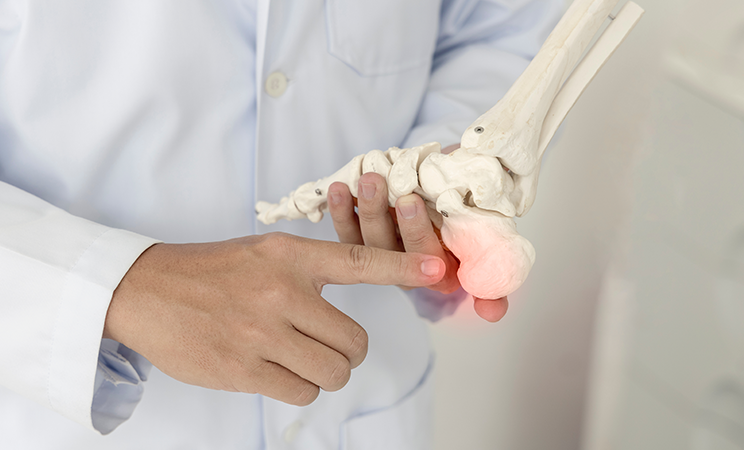
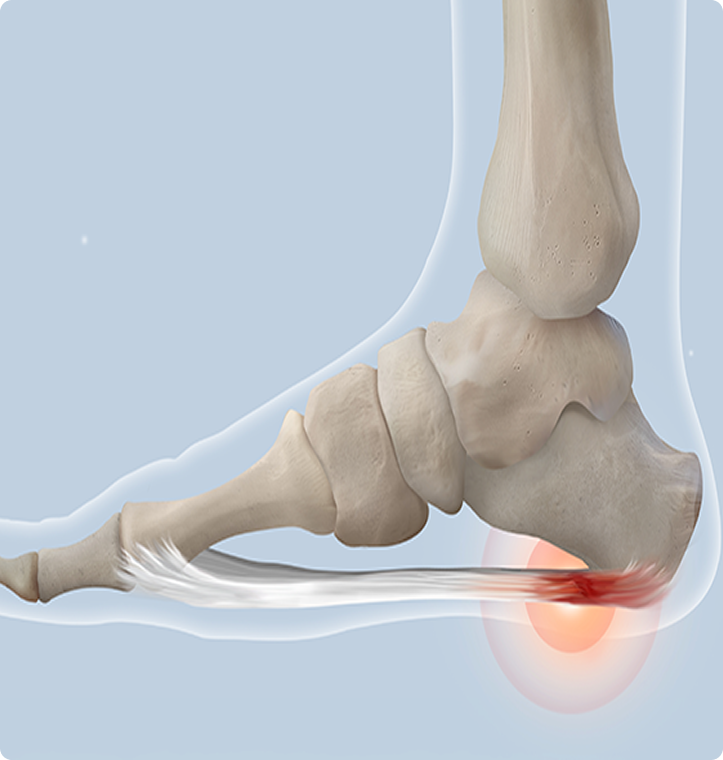
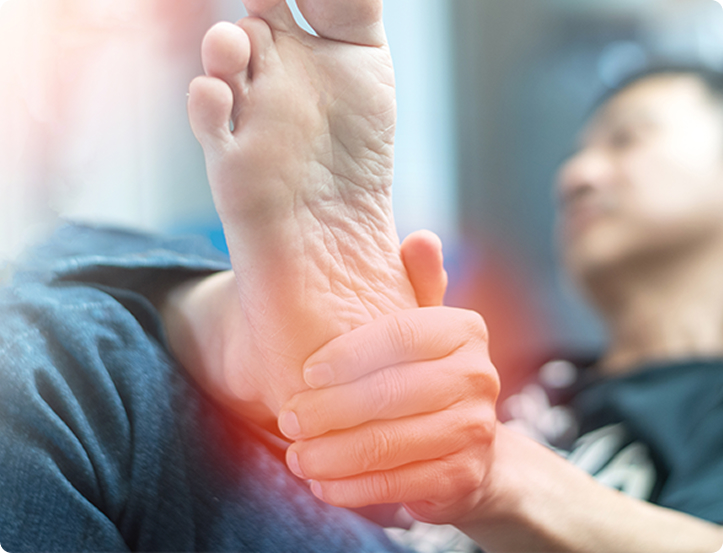
Plantar fasciitis occurs when repeated stress on the plantar fascia leads to irritation and pain, most commonly where the tissue attaches to the heel bone. The plantar fascia plays an important role in supporting the arch of the foot and absorbing the impact of walking, running, and other daily activities. Symptoms often develop gradually and may worsen with prolonged standing, walking, or physical activity. While plantar fasciitis can affect anyone, it is more commonly seen in runners, individuals who spend long hours on their feet, and those with certain foot mechanics that place additional strain on the plantar fascia.

What Causes Plantar Fasciitis?

Plantar fasciitis develops when repeated stress on the plantar fascia exceeds the tissue's ability to recover. Common contributing factors include:

  • Overuse or Repetitive Stress

    : Running, jumping, or prolonged standing can place repeated strain on the plantar fascia.
  • Improper Footwear

    : Shoes with inadequate support or cushioning may increase stress on the heel and arch.
  • Flat Feet or High Arches

    : Certain foot structures can alter weight distribution and place additional strain on the plantar fascia.
  • Tight Calf Muscles or Achilles Tendon

    : Reduced flexibility can increase tension on the plantar fascia during movement.
  • Obesity or Weight Gain

    : Additional body weight places greater stress on the feet.
  • Sudden Increases in Activity

    : Rapid changes in exercise intensity, duration, or frequency may overload the plantar fascia.

Signs and Symptoms of Plantar Fasciitis

The most common symptoms of plantar fasciitis include:

  • Heel Pain

    : A sharp or stabbing pain at the bottom of the heel, especially during the first few steps in the morning or after periods of rest.
  • Pain That Worsens with Activity

    : Discomfort may increase after extended walking, running, or standing.
  • Foot Stiffness

    : The foot may feel tight or stiff, particularly after inactivity.
  • Tenderness in the Heel or Arch

    : The bottom of the foot may feel sore or sensitive when pressure is applied.
  • Pain That Improves with Movement

    : Symptoms often ease after walking for a short period but may return after prolonged standing or activity.
  • Mild Swelling Around the Heel

    : Some individuals may experience localised swelling or inflammation near the heel.
When Should You See A Specialist For Plantar Fasciitis?

When Should You See a Specialist for Plantar Fasciitis?

Plantar fasciitis often improves with rest, activity modification, and other conservative measures. However, medical evaluation may be recommended if:

  • Heel pain persists despite self-care measures
  • Symptoms interfere with walking, exercise, work, or daily activities
  • Pain becomes more frequent or severe over time
  • Symptoms continue to recur despite treatment
  • You are unsure whether your heel pain is caused by plantar fasciitis or another foot condition

Early assessment can help identify the cause of your symptoms and guide appropriate treatment to support recovery and prevent the condition from becoming chronic.

How Is Plantar Fasciitis Diagnosed?

A foot and ankle specialist can diagnose plantar fasciitis through:

  • Medical history and symptom review

    : Discussing your symptoms, activity level, and factors that may be contributing to heel pain.
  • Physical examination

    : Assessing tenderness in the heel and arch, foot structure, and tightness in the calf muscles or Achilles tendon.
  • Windlass Test

    : A clinical test that involves gently bending the toes upward to assess tension and pain in the plantar fascia.
  • Imaging tests (if required):

    • X-rays

      : May be used to rule out other causes of heel pain, such as fractures or heel spurs.
    • Ultrasound or MRI

      : May be recommended in selected cases to evaluate the plantar fascia or investigate persistent symptoms.
How Is Plantar Fasciitis Diagnosed?
Who Is At Risk of Plantar Fasciitis

Who Is at Risk of Plantar Fasciitis?

Certain factors may increase the likelihood of developing plantar fasciitis, including:

  • Age

    : Plantar fasciitis is most commonly seen in adults between 40 and 60 years of age.
  • Occupations Involving Prolonged Standing

    : Jobs that require long hours on hard surfaces may place repeated stress on the plantar fascia.
  • High-Impact Sports and Activities

    : Activities such as running, dancing, and court sports can increase strain on the feet.
  • Excess Body Weight

    : Additional weight places greater pressure on the plantar fascia during standing and walking.
  • Foot Structure and Biomechanics

    : Flat feet, high arches, and abnormal walking patterns may affect how weight is distributed across the foot.
  • Limited Flexibility

    : Tight calf muscles or Achilles tendons can increase tension on the plantar fascia.

What Are the Treatment Options for Plantar Fasciitis?

Treatment for plantar fasciitis typically begins with conservative measures, with surgery considered only in selected cases where symptoms persist.

Non-Surgical Treatments
Plantar Fasciitis Surgery

Non-Surgical Treatments

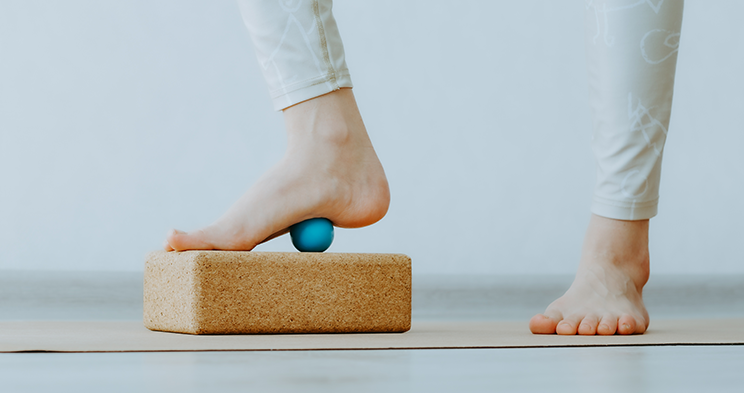
Most cases of plantar fasciitis improve with conservative treatment. Non-surgical options may include:

  • Rest and Activity Modification

    : Reducing activities that place excessive strain on the foot.
  • Ice Therapy

    : Applying ice packs to help relieve pain and discomfort.
  • Stretching and Strengthening Exercises

    : Improving flexibility in the plantar fascia, calf muscles, and Achilles tendon.
  • Orthotics and Arch Supports

    : Providing additional support and improving foot mechanics.
  • Night Splints

    : Keeping the plantar fascia gently stretched during sleep to reduce morning pain.
  • Pain Relief Medication

    : May be recommended to help manage symptoms.
  • Physiotherapy

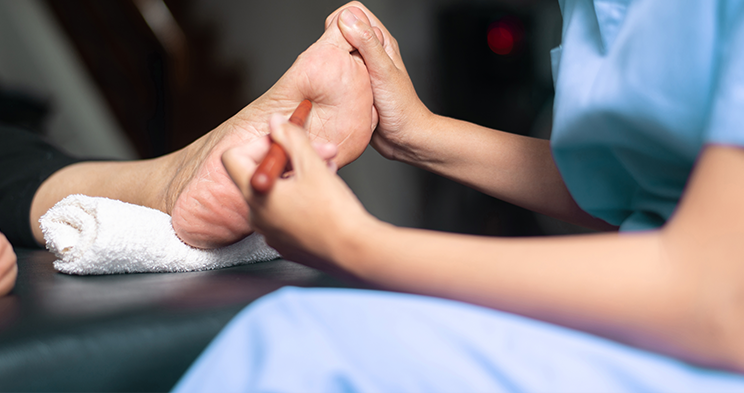
    : Targeted exercises and manual therapy to improve mobility and function.
  • Shockwave Therapy (ESWT)

    : May be considered for persistent symptoms to stimulate healing of the plantar fascia.
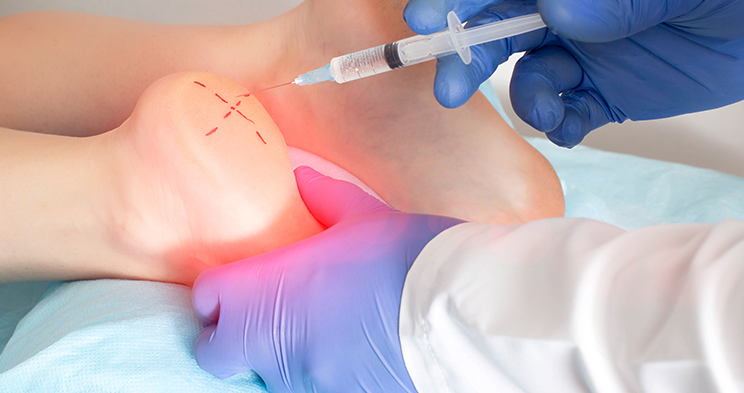
  • Platelet-Rich Plasma (PRP) injections

    : May be recommended in selected cases to support tissue healing.
Plantar Fasciitis Non-Surgical Treatment
Can Plantar Fasciitis Be Prevented?

How Can Plantar Fasciitis Be Prevented?

While plantar fasciitis cannot always be prevented, the following measures may help reduce the risk:

  • Wear Supportive Footwear

    : Choose shoes with adequate arch support and cushioning.
  • Maintain a Healthy Weight

    : Reducing excess stress on the feet may help lower the risk of plantar fascia strain.
  • Stretch Regularly

    : Regular stretching of the calf muscles and plantar fascia can improve flexibility.
  • Increase Activity Gradually

    : Avoid sudden increases in training intensity, duration, or frequency.
  • Use Orthotics when Appropriate

    : Insoles or arch supports may help improve foot alignment and weight distribution.
  • Strengthen the Feet and Lower Legs

    : Building strength can improve stability and reduce strain on the plantar fascia.
Personalised Plantar Fasciitis Treatment with Dr Alan Cheung

Plantar fasciitis can make everyday activities such as walking, exercising, and standing for prolonged periods uncomfortable. Early assessment may help identify contributing factors and prevent symptoms from becoming chronic.

At International Orthopaedic Clinic, plantar fasciitis treatment is tailored to each patient's symptoms, lifestyle, and recovery goals. Dr Alan Cheung provides comprehensive assessment and treatment for foot and lower limb conditions, including plantar fasciitis, sports injuries, and other causes of heel pain.

If you are experiencing persistent heel pain and would like to learn more about your treatment options, schedule a consultation with Dr Alan Cheung today.

HUBUNGI
Hubungi Kami Hari Ini

Untuk informasi lebih lanjut tentang layanan kami, atau untuk membuat janji, silakan hubungi kami. Kami akan menghubungi Anda sesegera mungkin.

HUBUNGI KAMI
+65 6253 7111
WHATSAPP KAMI
+65 8828 7111
Plantar Fasciitis Faq

Pertanyaan Umum

Recovery time varies depending on the severity of the condition and how long symptoms have been present. While some cases improve within a few weeks, others may take several months to resolve with appropriate treatment and activity modification.

Our Orthopaedic Specialist in Singapore

Dr Alan Cheung

Konsultan Senior Ahli Bedah Ortopedi | Direktur Klinik Ortopedi Internasional (IOC)

MBBS (London)
MRCS (Royal College of Surgeons of England)
FRCS (Trauma dan Ortopedi)
Diploma Kedokteran Olahraga dan Olahraga
(Faculty of Sport and Exercise Medicine UK)

Dr Alan Cheung adalah Konsultan Senior Ahli Bedah Ortopedi dengan fokus pada pengobatan cedera olahraga, rekonstruksi sendi orang dewasa dan bedah robotik (Makoplasty, Navio & Robodoc). Sebagai olahragawan yang terlibat aktif dalam kancah olahraga, Dr Cheung sangat berempati dengan kebutuhan atlet. Sebagai spesialis ortopedi tepercaya, Dr Cheung telah menerbitkan tulisan ilmiah di berbagai jurnal peer-review dan telah mempresentasikan di berbagai konferensi internasional.

  • Fellowship dalam Joint Reconstruction & Musculoskeletal Oncology
  • Anggota European Board of Orthopaedics & Traumatology
  • Anggota Asia Pacific Knee Arthroscopy and Sports Medicine Society
  • American Academy of Orthopaedic Surgeons (AAOS)