

How to Choose the Right Orthopaedic Surgeon
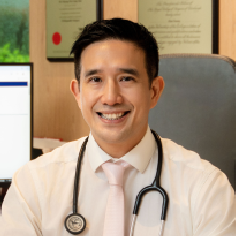
Dr Alan Cheung
Senior Consultant Orthopaedic Surgeon in Singapore
MBBS (London), MRCS (England), FRCS (Trauma and Orthopaedics, England), Diploma in Sport and Exercise Medicine (UK), Fellow of the European Board of Orthopaedics and Traumatology, American Academy of Orthopaedic Surgeons (AAOS)

Have you ever found yourself wondering where to turn when joint pain, stiffness or an injury starts affecting your everyday life? Perhaps you’ve been referred to an orthopaedic surgeon or you’re considering seeking specialist care, but you’re unsure how to choose the right person. It’s a decision that can feel daunting, especially when your mobility, comfort and long-term health are at stake.
The best orthopaedic surgeon for you is not just someone who treats bones, joints and muscles, but a professional who supports you throughout your recovery. They help you understand your options, address your concerns and guide you through each step of your recovery process. In this article, we look at the key factors to consider when choosing an orthopaedic surgeon, so you can make a well-informed decision that feels right for you.
Ask for Recommendations
One of the ways to begin your search is by asking people you trust. Friends, family members, or colleagues who have undergone orthopaedic treatment can share honest insights about their experiences, from consultation style to recovery support.
Your general practitioner or physiotherapist can also be a valuable source of referrals. These healthcare professionals often work closely with orthopaedic specialists, and can recommend someone suited to your condition.
Review Professional Training and Credentials
Taking time to look into a surgeon’s qualifications can offer peace of mind. Board certification, specialist training and hospital affiliations often indicate a strong commitment to professional standards and ongoing education.
It is also worth considering whether the surgeon regularly treats your specific condition and is trained in relevant surgical techniques, including robotic-assisted surgery. A practitioner with focused experience in areas such as sport injuries, fractures or degenerative conditions is generally better positioned to offer well-informed advice and more targeted care in those areas.
Consider Their Experience and Approach to Care
A surgeon’s expertise is not defined solely by the number of procedures performed, but also by how treatment decisions are made. A reliable orthopaedic surgeon should take the time to explain all suitable options clearly, including non-surgical approaches where appropriate. Ask also about their experience managing similar cases and how they customise care plans to suit individual circumstances.
Pay Attention to Communication and Rapport

Beyond clinical expertise, the way a surgeon communicates with you can make a difference to your overall experience. From the first consultation onwards, you should feel at ease describing your symptoms, asking questions and voicing any concerns without feeling rushed or brushed aside. A surgeon who takes time to explain your condition clearly, listens attentively and responds with patience, helps foster a sense of trust and partnership, allowing you to move forward with greater confidence.
Read Through Patient Feedback and Reviews
Patient reviews offer a window into the day-to-day experience at a clinic, often shedding light on practical aspects such as appointment efficiency, clarity of explanations and the quality of follow-up care. Although no surgeon will receive universally glowing feedback, recurring themes can be revealing. That said, such impressions are best considered alongside verified credentials and your own consultation experience, rather than relied upon in isolation.
Recognition Through Clinic Awards and Professional Accolades
Beyond individual credentials and patient feedback, clinic-level recognition can also provide meaningful reassurance. Awards and professional accolades often reflect consistent standards of care, clinical excellence and a commitment to advancing orthopaedic practice.
Clarify Fees and Insurance Matters Early
Before moving ahead with treatment, it’s important to understand the financial side of care. Ask whether your insurance plan is accepted and what costs may be involved at different stages, including consultations, imaging, surgery and rehabilitation. Transparent discussions about fees allow you to focus on recovery rather than paperwork.
Don’t Hesitate to Seek a Second Opinion
Even after careful research and consultations, it’s normal to want additional reassurance before moving forward. Seeking a second opinion allows you to view your condition from another professional perspective, helping to confirm a diagnosis, explore alternative treatment options or better understand the recommended plan.
Signs That May Signal the Wrong Fit
While many orthopaedic surgeons have strong credentials, not every surgeon will be the right fit for your needs. Being aware of certain warning signs can help you avoid unnecessary stress and ensure your care prioritises your best interests.
- Rushed or pressured treatment decisions: Be cautious if surgery is suggested early on without a thorough discussion of your condition or exploration of non-surgical options. You should feel supported, not hurried, when making decisions about your health.
- Limited transparency about risks or recovery: A surgeon should be open about potential complications, expected recovery timelines and realistic outcomes. Vague or incomplete explanations can make it harder to give informed consent.
- Unclear or inconsistent cost discussions: When fees, insurance coverage or potential extra expenses aren’t clearly outlined, it can create unexpected financial stress and make planning your care more difficult.
- Concerns about professional track record: Repeated unresolved complaints, disciplinary issues or a pattern of negative feedback may warrant closer consideration.
Making the Right Choice for Your Long-Term Joint Health
Choosing the right orthopaedic surgeon can have a lasting impact on both your recovery and quality of life. With these tips in mind, you can set the stage for a smoother treatment experience and a more confident path toward long-term mobility.
Based at Mount Elizabeth Novena in Singapore, the International Orthopaedic Clinic offers care you can trust. Led by Dr Alan Cheung, our team of experienced orthopaedic specialists focuses on clear communication and personalised treatment plans, working closely with each patient to support safe recovery and long-term joint health. Take the next step and book an appointment to begin your journey toward stronger, healthier joints with guidance you can rely on.
